Argentina posted a record energy surplus — what it means for Ukraine's energy security and investments
Exports exceeded imports by $7.8 billion thanks to the Vaca Muerta shale. We examine why this economic result is important not only for Buenos Aires but also for Ukraine.

By Oleg Bazylewicz
January 22, 2026 · 2 min read
What happened
Argentina reported its largest annual surplus in energy trade at least since 1992: in 2025 exports exceeded imports by $7.8 billion. The data are provided by the Ministry of Energy of Argentina in statements cited by Bloomberg; the statistical register kept since 1992 is analyzed by Buenos Aires consulting firm Empiria.
"Argentina recorded the largest annual surplus in energy trade in at least 33 years."
— Bloomberg, citing the Ministry of Energy of Argentina
Why it happened
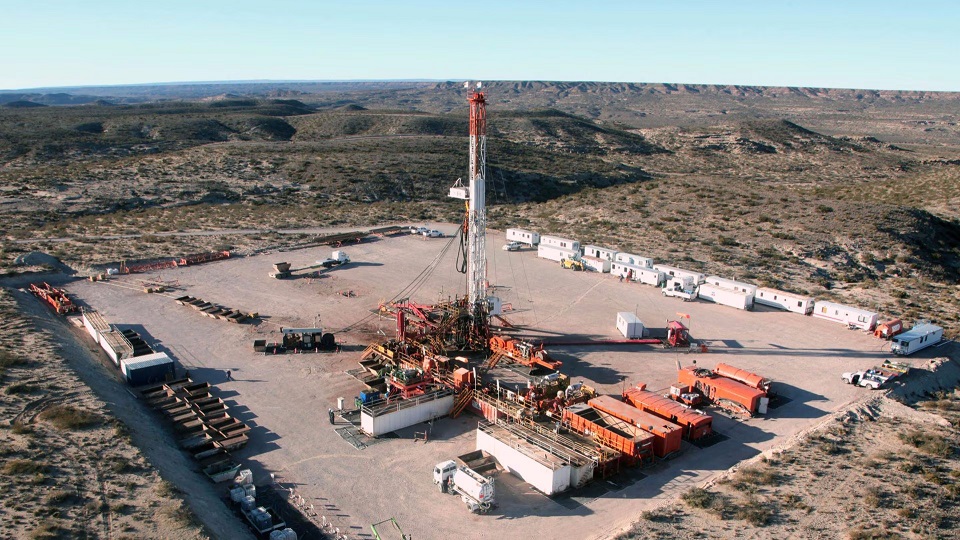
The key factor is the rapid increase in production in the shale basin Vaca Muerta — one of the world’s three largest shale formations. In 2025 the American player Continental Resources, led by Harold Hamm, entered the project actively, concluding a series of deals: acquiring a 90% stake of Pluspetrol in the "Los‑Toldos II Oeste" block (10% remained with Gas y Petróleo del Neuquén) and arranging for a 20% stake in four other key blocks while keeping Pan American Energy as the operator.
Continental Resources announced plans to invest up to $200 million a year in Argentine assets and to apply American fracking technologies and field management — factors that helped spur export growth.
"Continental’s entry into Vaca Muerta was an important milestone for the Argentine energy sector and a marker of international investor confidence."
— Forbes Argentina
What it means for Ukraine
First, it is an example of how technological investment and a policy of openness to capital can quickly change the trade balance. Second, the Argentine case suggests that having resources is only half the story: you need geology, investment, operators and a clear legal framework.
Ukraine has its own potential unconventional deposits: preliminary estimates mention a possible resource in the range of 280–350 million tonnes in the Dnieper‑Donets Basin. But these figures are preliminary: confirming them requires large‑scale geological exploration and assessment of the maturity of organic rocks.
The lesson for us is clear: the potential exists, but to turn it into energy and economic benefit three components are needed — accurate data, technological partners and an investment policy that combines economic attractiveness with transparent environmental standards.
Conclusion
Argentina has shown that well‑directed investment in the shale sector can quickly bring foreign currency inflows and reduce dependence on imported energy. For Ukraine this is not a recipe to copy verbatim, but an example of a trajectory — from a geological idea to a real surplus. The practical question remains: will we create the conditions for investors to bring technology, and for the state to provide the data and rules that guarantee both efficiency and safety?



