Architecture of Survival: How Ukraine is Rebuilding Its Energy System So One Missile Doesn't Plunge an Entire City Into Darkness
# Energy Security Concept The "energy cells" concept is not a rebranding of old solutions, but a fundamental shift in logic: instead of a single grid vulnerable to a single strike, independent clusters that operate separately. Shmygal presented this model in Brussels as a lesson for all of Europe.

By Tetiana Suchkova-Ladik
April 9, 2026 · 2 min read
On January 31, 2026, a Russian attack temporarily disconnected Ukraine's and Moldova's energy systems from continental Europe. For technocrats in Brussels, it was an alarming signal: long-range drones no longer remain "somewhere in the east."
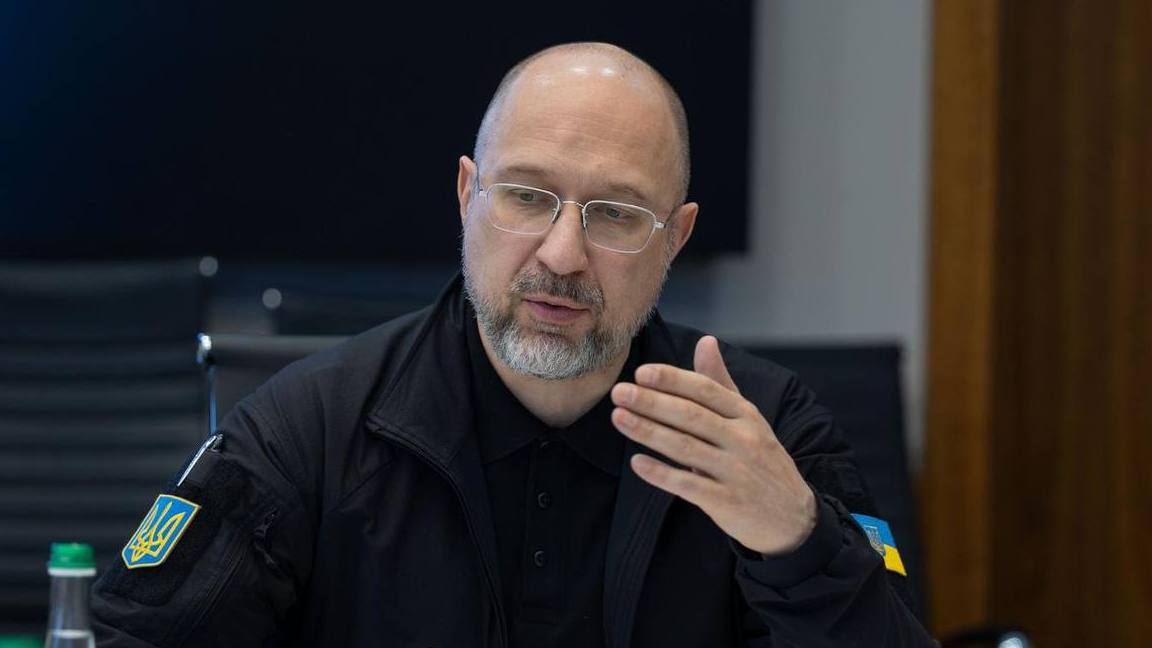
It was in this context that First Vice Prime Minister and Minister of Energy Denys Shmyhal presented to the EU Council of Energy Ministers a concept that Ukraine is already implementing under fire: a network of "energy cells."
Three levels, not one system
The new architecture departs from the logic of a single centralized network, where one hit can cause cascading power outages across a region. Instead, there are three complementary levels:
- Nuclear generation — base load that does not depend on gas or weather.
- Maneuverable capacity, storage, and new generation — at points where the system has a technical deficit; respond to peak consumption and compensate for losses after attacks.
- Autonomous energy clusters ("cells") — local microgrids where a hospital, water utility, or heating station can operate even when the central grid is damaged.
The key feature of the third level is island mode operation: the cluster disconnects from the main grid and supplies critical infrastructure autonomously while lines are being restored.
From emergency solution to standard
Two years ago, mobile generators and containerized cogeneration modules were viewed as temporary patches. Winter 2025–2026 changed this perspective: according to 24 Channel, energy hubs played a decisive role in system stability during the season's most intensive attacks.
"Long-range drones can reach almost any part of Europe. That is why rethinking energy infrastructure must begin now."
Denys Shmyhal, EU Council of Energy Ministers meeting, Brussels, March 2026
According to New Eastern Europe, Ukrainian practice of deploying modular systems in days, not months is already being studied as part of European civil protection planning. Poland, the Czech Republic, and Slovakia are testing similar solutions.
What Brussels will hear and what it won't
Shmyhal also voiced the fifth lesson — expanding electricity imports from the EU to 3.5 GW. This is no longer humanitarian support but technical integration: the Ukrainian system has been synchronized with the continental grid since February 2022.
Meanwhile, in January 2025, the Verkhovna Rada adopted law No. 9381, which simplifies the connection of new capacity and stimulates decentralized investments — the legislative framework for the "cells" architecture already exists. The issue is pace: building clusters requires $20 billion in new renewable energy investments by 2030, according to CSIS estimates.
If Brussels converts fascination with "lessons" into concrete investment guarantees for decentralized projects, Ukraine's "energy cells" model will become the standard for NATO-compatible energy resilience. If not, Ukraine will build it alone, just more slowly.
```


