Aston Martin sells Formula 1 team naming rights for £50m — how the brand sale is shoring up liquidity
Selling perpetual rights to a team's name is not a flashy PR stunt but a pragmatic way to raise funds. We unpack the deal structure, the risks to the brand, and what it means for the motorsport market.

By Tetiana Suchkova-Ladik
February 21, 2026 · 2 min read
What happened
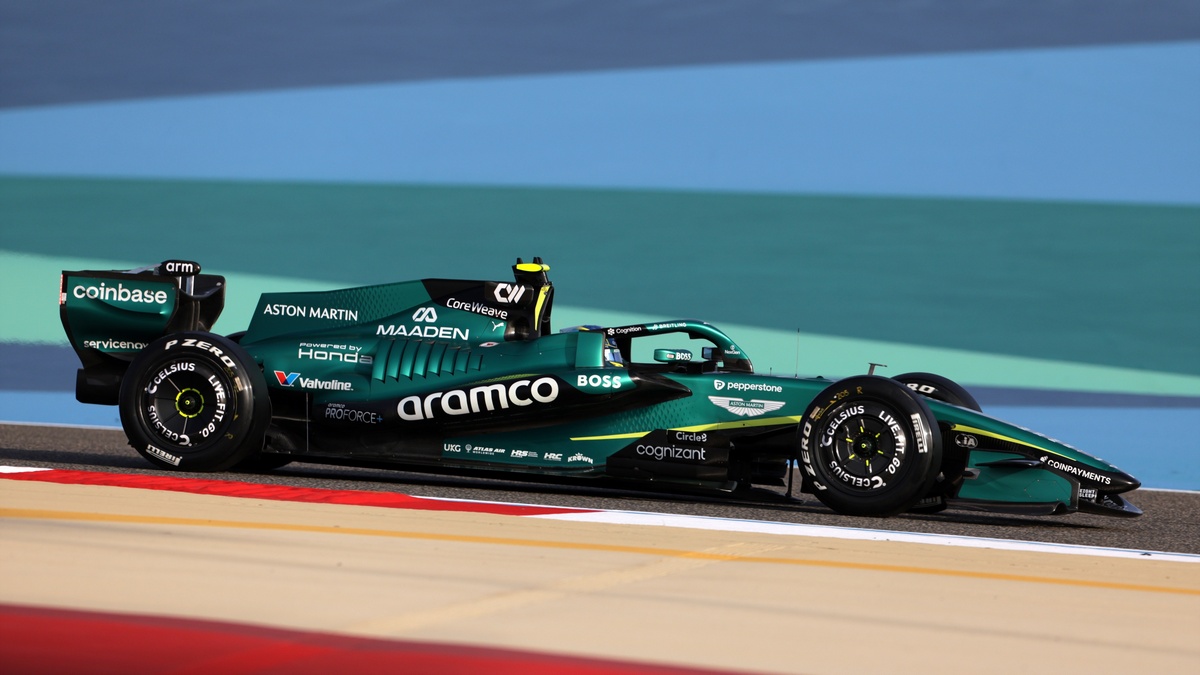
Aston Martin told investors on the London Stock Exchange of its intention to sell to AMR GP Holdings the perpetual right to use the Aston Martin brand in the Formula 1 team name and for chassis and related branding. The value of the transaction is a £50 mln one‑off cash payment. The existing license ran until 2055.
"In response to an offer from AMR GP, the company intends to sell the perpetual right to use the Aston Martin name for AMR GP's activities in Formula 1"
— Aston Martin, announcement to investors on the London Stock Exchange
Why they did it
The company directly links the transaction to the need to improve liquidity: according to preliminary results for 2025, sales fell to 5,448 vehicles from 6,030 a year earlier. The one‑off cash injection provides an operational buffer, covers short‑term needs and buys time to implement plans for new models and cost reductions in 2026.
"In 2025 Aston Martin faced an extremely challenging market environment"
— Aston Martin, comment on financial results
What it means for the team and the brand
Practically, AMR GP gains control over how the Aston Martin name is used within the team's operations, giving it greater operational freedom. For the automotive business this is a signal: the brand can be treated as a separate asset that is sold or licensed to cover the parent company's financial needs.
In the short term the Formula 1 team will remain under the same name; long‑term consequences depend on AMR GP's management decisions regarding branding and commercialization. For fans and sponsors, transparency is important — who controls the brand and which rights have been transferred.
Context and market consequences
This is not an isolated case: during economic shocks companies monetize intangible assets — names, licenses, patents — to support cash. In the world of sport, where brand value is significant, such transactions shift the balance between the commercial and manufacturing sides of the business.
From a Ukrainian perspective this example is a reminder that in crisis moments it is important to seek non‑standard sources of liquidity while simultaneously retaining strategic control over critical assets. A sale provides benefit today, but reduces options tomorrow.
Conclusion
£50 mln is a quick cash boost for Aston Martin, but it also cedes some control over how the brand appears in Formula 1. For investors and supporters the key is to monitor how AMR GP will use this right: an intellectual asset not only rescues the balance sheet but also shapes trust in the brand going forward.
Now the question for the market and management: will this step be a one‑off help, or the start of a deeper reorientation of the brand and business model?



