Drone attack on commuter train in Dnipropetrovsk Oblast: one killed, several injured
A hostile drone struck a railcar near Kryvyi Rih. We examine what is known so far, the consequences for passengers and railway infrastructure, and what to expect next.

By Tetiana Suchkova-Ladik
March 2, 2026 · 2 min read
What happened
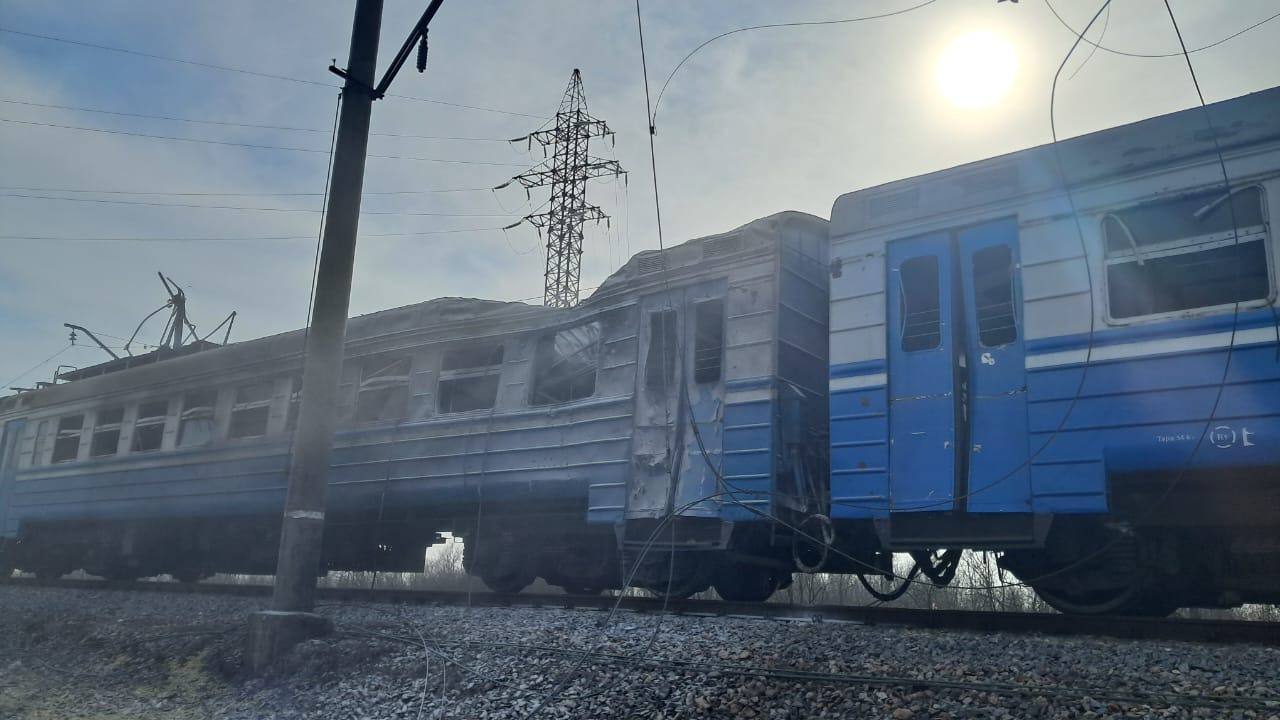
On the night of February 21–22 in the Kryvyi Rih district of Dnipropetrovsk Oblast, an enemy drone struck one of the carriages of a commuter train that was in motion. The information was confirmed by the Vice Prime Minister for Restoration — Minister for Communities and Territories Development Oleksii Kuleba.
"In the Kryvyi Rih district of Dnipropetrovsk Oblast an enemy drone struck one of the carriages of a commuter train that was in motion. Unfortunately, one person was killed"
— Oleksii Kuleba, Vice Prime Minister for Restoration
Official figures and condition of the injured
According to official information, a further seven people sustained injuries of varying severity. The injured were hospitalized to receive further medical care. Ukrzaliznytsia clarified that one person died in the ambulance on the way to the hospital, one has severe injuries, and up to five passengers suffered cuts.
"The locomotive crew made an emergency stop and eliminated the smoke. Passengers were evacuated and first aid was provided"
— Ukrzaliznytsia
Context and consequences
This is not an isolated case: the Russian army on the night of February 21–22 attacked railway infrastructure in several regions. Security experts emphasize that strikes on transport have two aims — to disrupt logistics and to sow fear among the civilian population. For passengers this means increased risks during travel and possible temporary changes to schedules or routes.
Indeed, the prompt action of the locomotive crew and the rapid evacuation of passengers reduced the number of casualties — an example of systematic work that rarely makes headlines but saves lives.
What next
Expected steps: an investigation into the incident, strengthening security measures on the railway, and temporary adjustments to timetables or routes where necessary. For citizens it is important to follow updates from official sources and to take possible delays into account. Analysts note that minimizing such risks requires not only local measures but also strengthening air defense and international support for infrastructure resilience.
The question after this night is simple but important: how to ensure the safety of citizens while also maintaining the operation of key infrastructure during ongoing aggression?