Drone attack halts Naftogaz production in Kharkiv Oblast — risks to energy security
Drone strikes caused a shutdown at one of Naftogaz's gas facilities. We explain why this is no longer just a local accident but a matter for the country's economy and security.

By Tetiana Suchkova-Ladik
February 24, 2026 · 2 min read
What happened
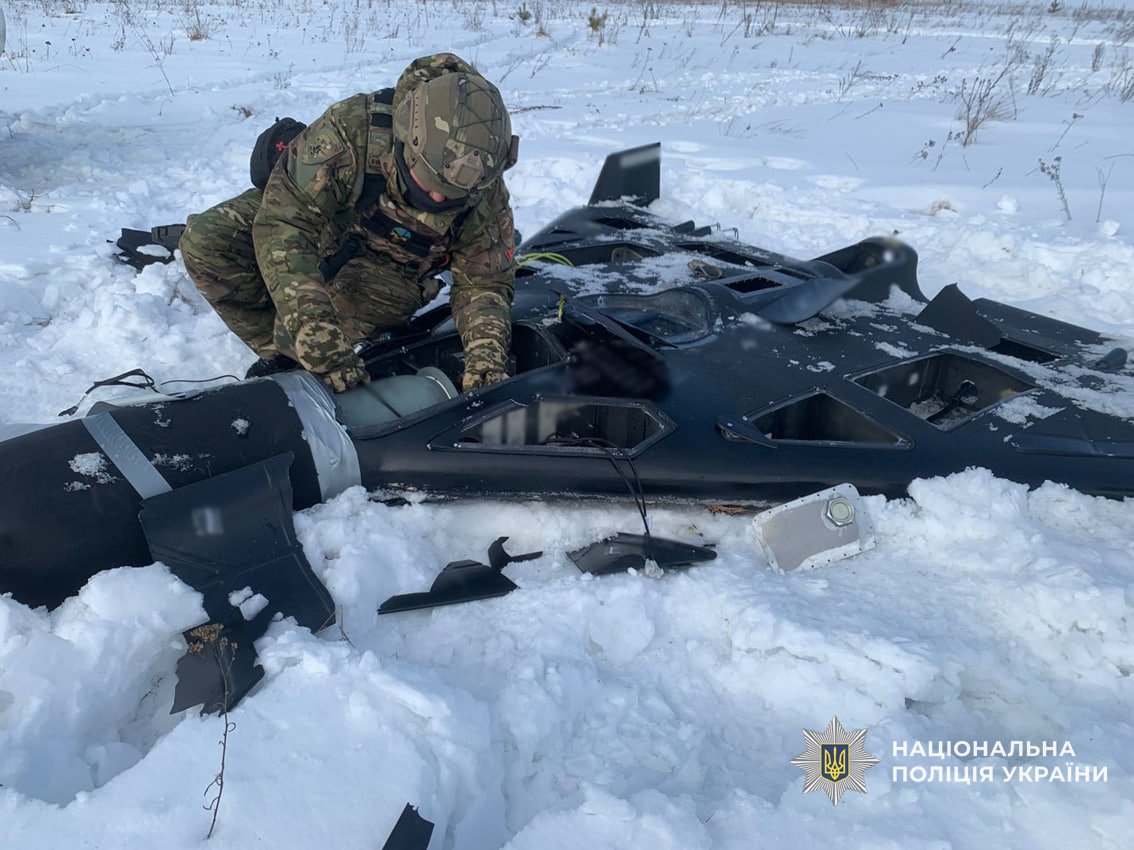
In Kharkiv region, gas production at one of the facilities of the Naftogaz group stopped as a result of a drone attack. The incident was reported by the company's chairman of the board, Serhiy Koretsky.
"Throughout the entire day on February 24, Russia is once again attacking Naftogaz's gas production infrastructure. Strikes were carried out on a facility in Kharkiv region using drones. The attack is ongoing. Damage has been recorded. Operations at the facility have been halted. Immediately after the air raid alert ends, the company's specialists together with units of the DSNS (State Emergency Service) will be able to begin addressing the consequences of the shelling"
— Serhiy Koretsky, chairman of the board of Naftogaz
According to the company, since the beginning of the year Russian forces have already carried out 26 attacks on its assets.
Why it matters
Naftogaz supplies more than 80% of Ukraine's domestic gas production; key capacities are concentrated in the east — the Poltava and Kharkiv regions. Therefore, strikes on such facilities have a systemic effect: reduced production increases the need for imports, puts pressure on the state budget, and creates risks for the heating season.
In 2025 Ukraine had to import nearly 6 billion cubic meters of gas precisely because of the decline in domestic production following the shelling — a direct economic price for attacks on energy infrastructure.
Consequences and what comes next
Immediate consequences — the halt of production at the facility and the need for emergency recovery works after the air raid alert ends. Naftogaz crews and units of the DSNS (State Emergency Service) will be involved in the work.
Among medium-term risks — further production cuts, increased import purchases, and higher budget expenditures on energy independence. Energy analysts and state experts emphasize that protecting critical infrastructure (air defence, network diversification, an accelerated repair fund) is a key tool to minimize such strikes.
Facts in context: the attack on the facility in Kharkiv region is part of a series of 26 incidents of damage to Naftogaz assets since the start of the year; in 2025 this has already affected the country's gas supply structure.
Naftogaz specialists and rescuers are working to minimise the consequences. And the question that remains after another attack: will it be possible to speed up protection and repairs so that production losses do not become an additional burden on the economy and citizens?



