Attack on Odesa region: drone debris destroyed 110 Nova Poshta parcels worth UAH 2.3 million
During a nighttime attack, fragments of a downed enemy drone fell onto the vehicle yard of a sorting terminal, causing a fire. The story is important not only because of the scale of the damage — it is a warning about the vulnerability of civilian logistics during wartime.

By Tetiana Suchkova-Ladik
December 31, 2025 · 1 min read
What happened
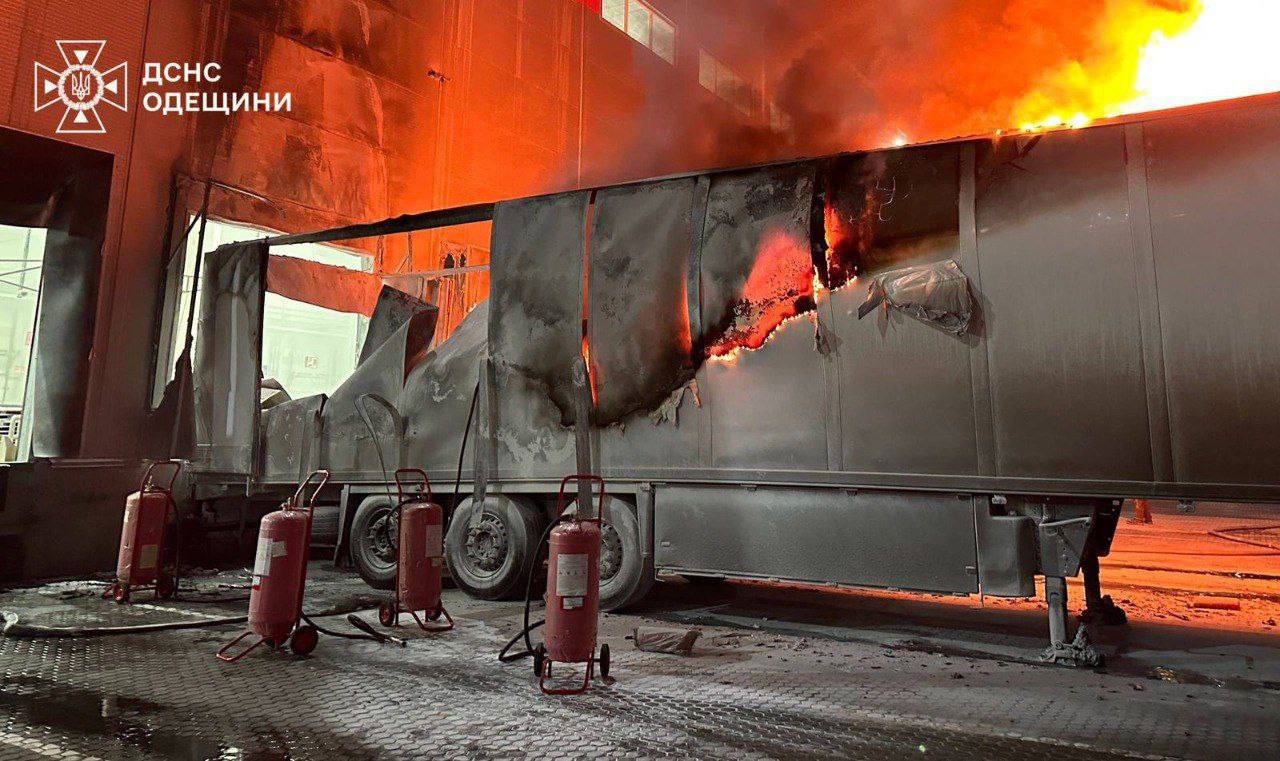
On the night of December 31, during a massive attack on the Odesa region, fragments of a shot-down enemy drone fell onto the yard of a Nova Poshta sorting terminal and ignited the trailer of a freight truck. According to the company's press service, the trailer contained 110 parcels with a declared value of 2.3 million UAH — all shipments were completely destroyed.
Fragments of an enemy drone fell onto the yard of a sorting terminal. The trailer of a freight truck caught fire, in which 110 parcels with a declared value of 2.3 million hryvnias were located. All shipments were completely destroyed.
— Press service of Nova Poshta
Consequences for customers and logistics
Nova Poshta has committed to compensate the losses and is already contacting affected customers. Although the sum of 2.3 million UAH is relatively small in the scale of defense expenditures, it is a direct blow to trust in delivery services and to ordinary Ukrainians who were counting on receiving goods and gifts during the holiday days.
Context: a systemic threat, not an isolated incident
This episode fits the established pattern: during the full-scale war, logistics infrastructure has repeatedly been damaged (branches in Chuhuiv and Sloviansk — examples from last summer). Analysts and logistics specialists emphasize that the spread of drones makes civilian facilities more vulnerable, and therefore both technical protective measures and new approaches to insurance and supply chain redundancy are needed.
What’s next
The immediate steps are prompt payments to customers and an investigation into the incident. More complex questions follow: strengthening fire safety and technical protection of terminals, state incentives to increase logistics resilience, and a review of insurance terms for businesses and citizens. Whether there will be enough resources and political will to adapt infrastructure to the new realities of war is a question that affects the everyday safety and economic stability of Ukrainians.



