Attack on the power grid backbone: strikes on 750 kV and 330 kV infrastructure and their impact on stability
Overnight the Russian Federation carried out targeted strikes on key overhead power lines and thermal power plants. We explain why these strikes specifically threaten household lighting and what operators and partners are doing to mitigate the consequences.

By Tetiana Suchkova-Ladik
February 7, 2026 · 2 min read
What happened
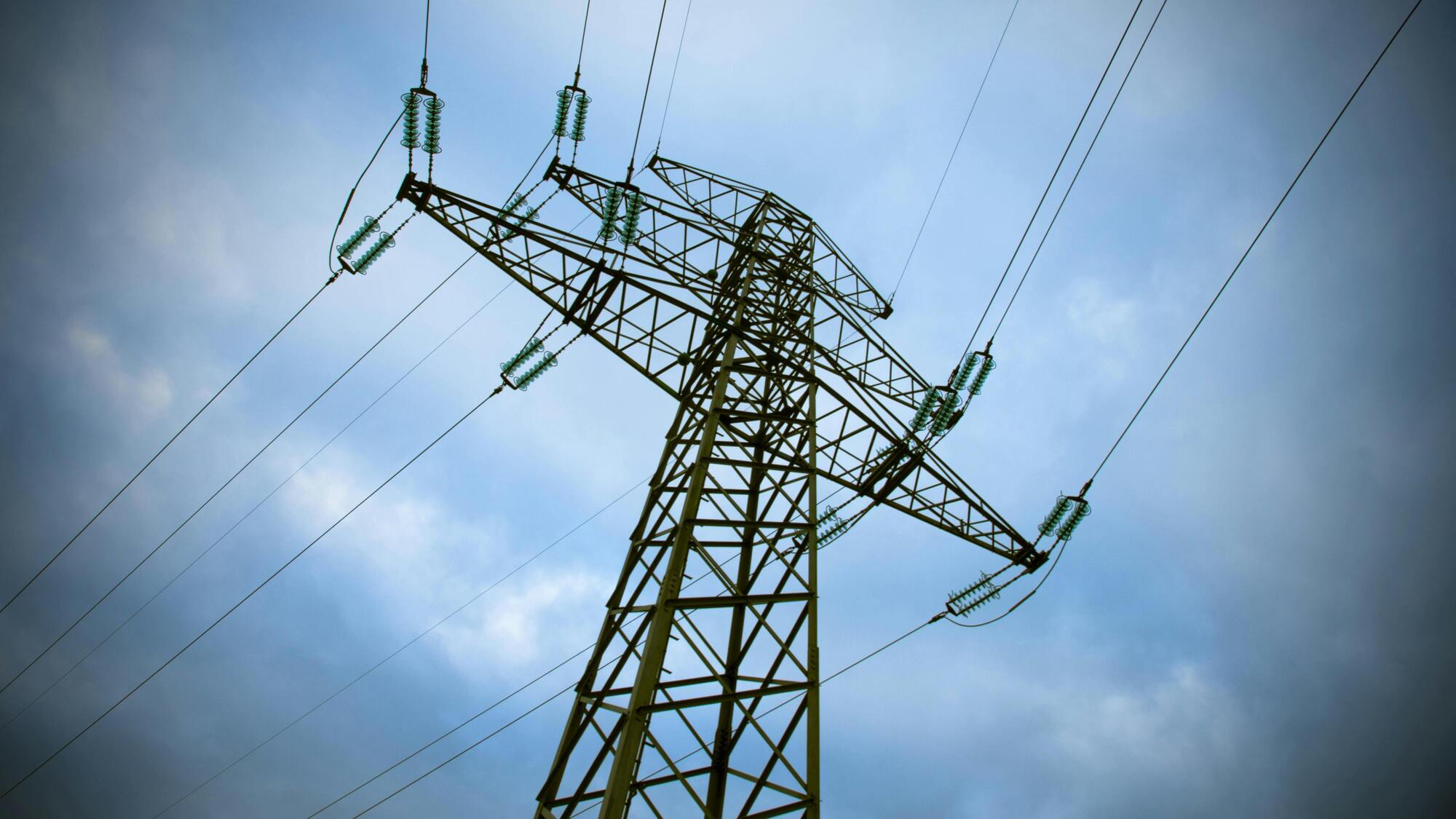
On the night of February 7, Russia carried out a massive attack on Ukraine's energy infrastructure: overhead lines of 750 kV and 330 kV — what effectively makes up the backbone of the national power system — were hit. Generation facilities were also struck: the Burshtyn Thermal Power Plant and the Dobrotvir Thermal Power Plant. This was reported by Energy Minister Denys Shmyhal.
Why this matters to everyone
The 750 kV and 330 kV lines transmit power between regions and stabilize load balance. Strikes on them increase the risk of cascading outages — when damage to one link causes shutdowns of adjacent sections. That's why a rotation of 4.5–5 rounds of emergency outages has been introduced nationwide; special schedules are in place in the east and south.
Reaction from operators and partners
"Substations and 750 kV and 330 kV overhead lines — the foundation of Ukraine's power grid — were hit. The enemy also struck generation: the Burshtyn TPP and the Dobrotvir TPP"
— Denys Shmyhal, Minister of Energy
According to the ministry, nuclear power plant units were ramped down by staff — a standard protective measure to preserve system stability and equipment safety. The system operator Ukrenergo requested emergency assistance from Poland; this is a typical step to quickly compensate for a shortfall in capacity and reduce the scale of outages.
Context: what's happening in the energy sector overall
Since January 14, a state of emergency in the energy sector has been in effect in Ukraine due to a combination of massive missile and drone attacks and cold weather. Experts and system operators note: in these conditions, the key is not only restoring equipment, but the system's ability to rapidly redistribute capacity and receive external assistance.
What this means going forward
In the short term — more likely rotations of emergency outages, particularly in regions close to the damaged lines. In the medium term — an increased role for cross-border assistance and the need to repair high-voltage lines, which will require time and resources. Politically and operationally, it is important that partners' words turn into concrete deliveries of equipment, materials and logistical support.
The system is holding, but the vulnerable link gives the enemy a chance to inflict significant economic and psychological damage. Now the key question is whether partners and domestic services will have enough speed and resources to minimize the duration of restrictions and restore full network resilience?



