Aurora exceeded its plan: one‑dollar chain generated more than $1.4 billion — what this means for the market
Money loves silence: Aurora reports UAH 58.36 billion in Ukraine (≈ $1.399 billion) and a 26% increase in revenue. We unpack why this matters for consumption, logistics and investors.

By Tetiana Suchkova-Ladik
February 25, 2026 · 2 min read
Briefly — and why it matters
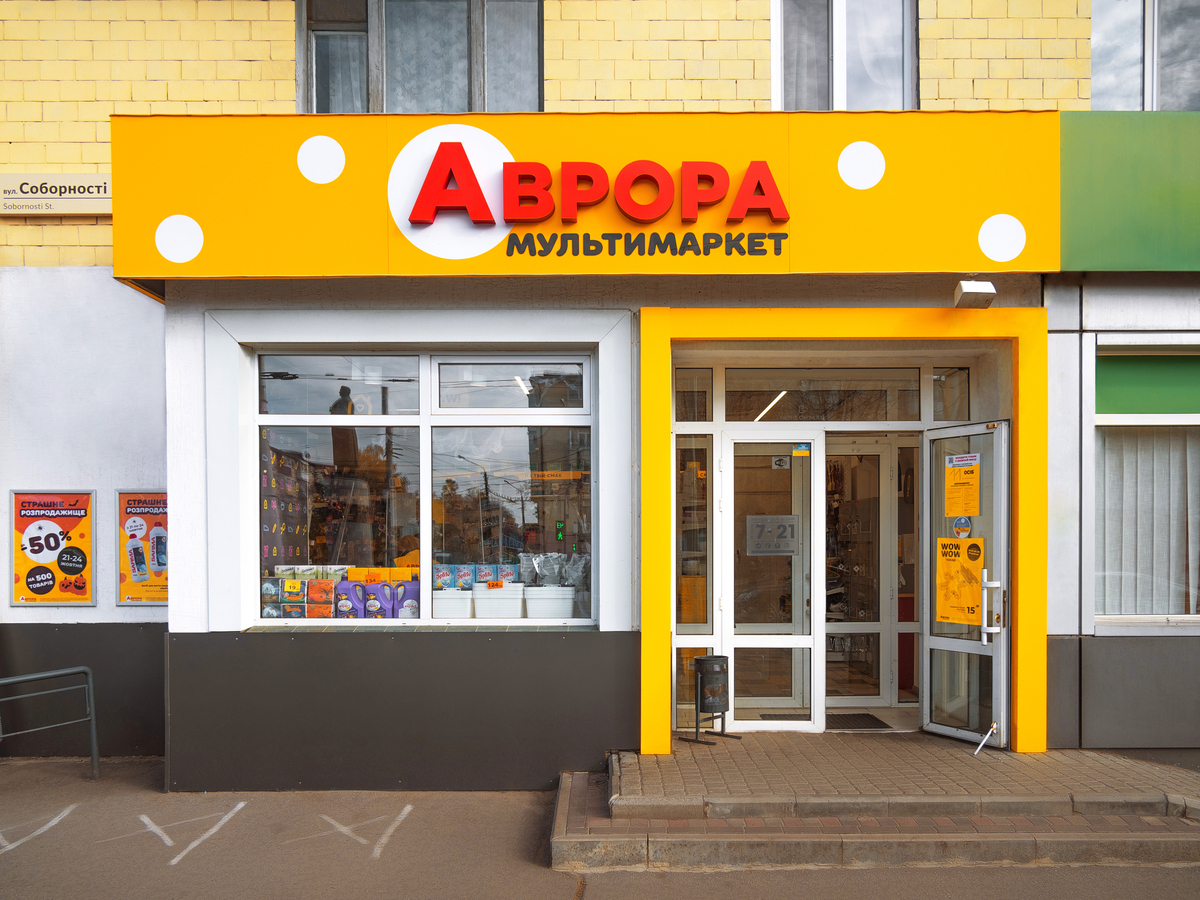
One of the largest Ukrainian one‑dollar‑format chains, "Aurora Multimarket", in 2025 exceeded its ambitious plan — the group's turnover in hryvnia amounted to 58.36 billion UAH in Ukraine (approximately $1.399 billion in total conversion), and with year‑on‑year growth of 26% the chain effectively confirmed the strength of domestic demand. This is not just a corporate success — it is a signal to suppliers, logistics providers and investors about the stability of part of the consumer sector.
What exactly happened
According to an interview with CEO and co‑owner Taras Panasenko (LIGA.net), the group generated 58.36 billion UAH including VAT in Ukraine in 2025 and about $26.32 million in Romania. As of 20 February 2026 the chain counts 1,817 stores in Ukraine (167 in Kyiv) and 65 in Romania; the Romanian business currently represents about 2% of the group.
Why the figures matter
First, revenue growth of 26% during a prolonged crisis speaks to supply‑chain adaptation and the efficiency of the trading model. Second, the scale (almost two thousand outlets) means an impact on local labor markets and logistics: delivery, rent and merchandising costs now form a noticeable share of the retail market.
For the state and partners it is also an indicator: domestic demand is holding up, which means tax revenues and employment in the sector are less vulnerable than official forecasts sometimes suggest.
What buyer practice shows
There is also a human, “on‑the‑shelf” element: according to Panasenko, the most popular product of 2025 was cat food — the chain sells about 450,000 packs a day; customers often buy it together with toilet paper. This behavior shows that shoppers combine basic needs with small pleasures — and this shapes the chain’s assortment and logistics.
"As for Ukraine — it's 58.36 billion UAH including VAT. And in Romania — also saying including VAT — it's $26.32 million. If you calculate both in dollars, then in Ukraine — $1.399 billion, in Romania — $26 million. Romania is effectively 2% of the group."
— Taras Panasenko, co‑owner and CEO of "Aurora Multimarket"
Market context
Changes are also visible at the industry level: in 2025 there was a reshuffle among grocery chains — Lutsk‑based "Klever Stores" (the "Sim23" and "Simi" networks) overtook "Fora" in number of stores; the absolute leader remains ATB‑Market with 1,319 outlets. This confirms that competition is not only about turnover, but also about coverage density and consumer accessibility.
Conclusion — what to expect next
This report from Aurora is not just a corporate win but a marker of economic adaptation. For businesses and investors the signal is clear: Ukraine’s consumer market demonstrates resilience, but going forward everything will be decided by logistics responsiveness, margin control and pricing policy. Partners should view cases like this as a basis for long‑term decisions — from supply to investment strategies. Whether they take advantage of this signal is a question for the next few quarters.



