Italy's auto industry falls to 1955 levels: a signal for workers and industrial policy
The drop in production at Stellantis plants in 2025 is more than just a statistic. It’s a wake-up call for workers, the government and Europe’s supply chains — we examine why it happened and what could reverse the trend as early as 2026.

By Tetiana Suchkova-Ladik
January 8, 2026 · 2 min read
What happened
In 2025, vehicle production at Stellantis's Italian sites fell by more than 20% — to 379,706 units, the FIM‑CISL union reported.
The biggest hit was to the passenger car segment: output fell by 24.5% — to 213,706 units. The Bloomberg agency noted that this is the worst figure since 1955, when Stellantis's predecessor — Fiat — produced 230,988 cars.
"The worst result since 1955"
— Bloomberg
Over two years, passenger car output in Italy has fallen by almost half compared with 2023 (521,104 units).
Causes — simple and systemic
The decline is the result of a combination of factors well known to automotive analysts: new-model launch cycles, the relocation of production capacity to countries with lower labor costs, structural market changes (the shift to electric and hybrid models), and temporary production stoppages. The Italian government has openly criticized the previous management for moving part of production to Morocco.
"Almost half of the group's workers are forced to work reduced hours"
— FIM‑CISL
Where the situation is worst — and where there is light
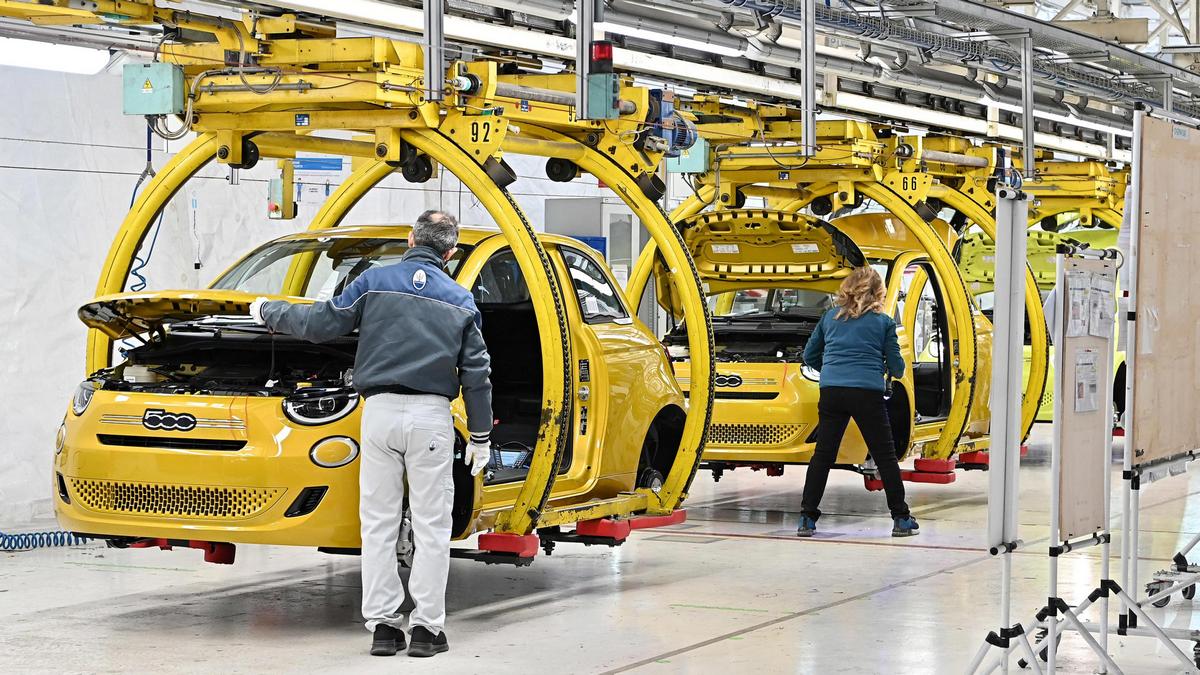
Some plants were idle for more than 100 days during the year; output at the Melfi plant fell by almost half. At the same time, the Mirafiori plant in Turin showed growth thanks to the launch of the hybrid Fiat 500 — an example of how a model lineup refresh can locally change the trend.
Consequences for workers and industry
Today's figures mean not only lower production — they mean lost work days, increased short-time working, and pressure on local supplier ecosystems. For southern regions where a large plant is one of the key employers, the decline has socio-economic consequences.
Is there a way out — and when to expect change
Stellantis promises to invest in Italian capacity: the end of the decline could come with two new models scheduled to start in 2026 — ramping up production of the hybrid Fiat 500 and the launch of the new Jeep Compass in southern Italy. However, this is more than a matter of the assembly line: clear investment plans, state‑industry coordination, and real support for supply chains are needed.
Brief conclusion
The fall to 1955 levels is a warning: there is a risk of degradation of the manufacturing base, but it also illustrates how quickly a model lineup refresh can change the picture. Now the question is for the actors: will promises from Stellantis's new management and the government's demands be turned into investments and orders that will restore jobs and the competitiveness of the plants?



