Babiš won't wind down the "Czech initiative": shells for Ukraine remain under Prague's coordination
After the "coalition of the willing" meeting in Paris, the new Czech prime minister confirmed that the ammunition-supply initiative will continue. For the front, it is a signal of stability; for Kyiv, a time to test logistics and guarantees.

By Tetiana Suchkova-Ladik
January 7, 2026 · 2 min read
What Babiš Announced in Paris
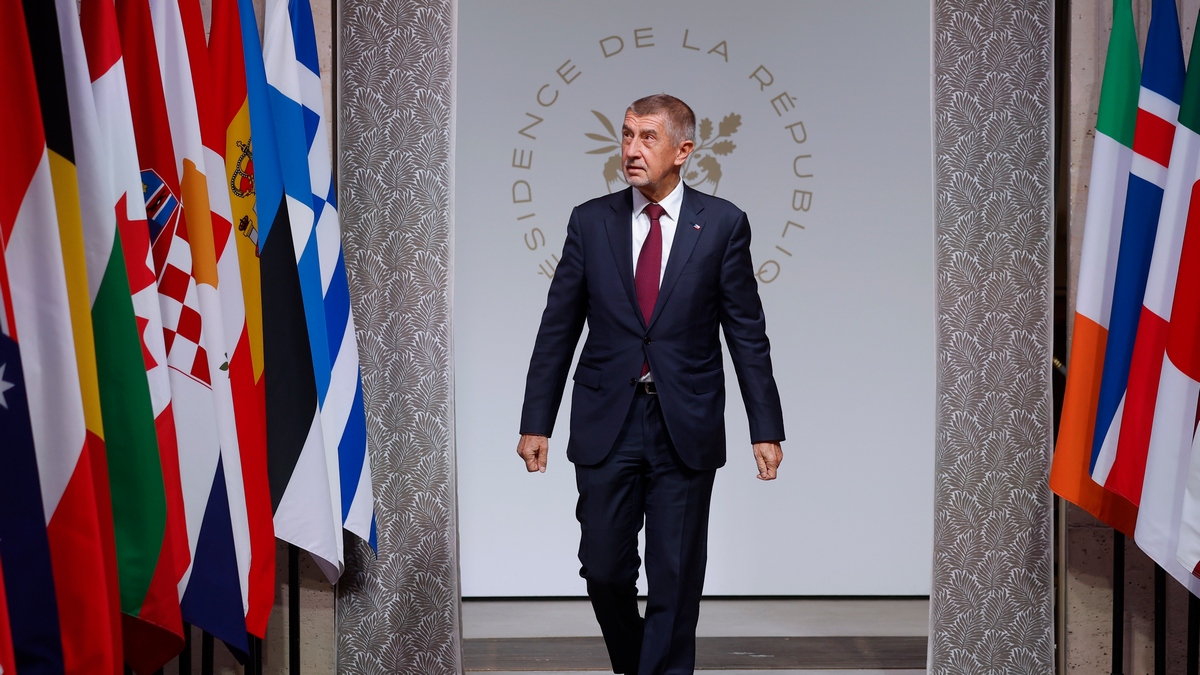
New Czech Prime Minister Andrej Babiš, after a meeting of the "coalition of the willing" on January 6, said he does not intend to wind down the so‑called "Czech initiative" to supply ammunition to Ukraine. He said final details must be confirmed by the National Security Council (BRS), but at this stage the initiative was decided to be continued, with the Czech Republic remaining the coordinator.
"Ahead of me I still have a BRS session where I will receive additional details regarding the 'shell initiative', however ... I have decided not to wind down this initiative. The project will continue, and the Czech Republic will continue to act as coordinator. At the same time, no funds of Czech citizens ... will be invested"
— Andrej Babiš, Prime Minister of the Czech Republic (post on social network X)
Why This Matters for Ukraine
Short answer: continuity of supplies. When coordination by the partner country is preserved, it reduces the risk of logistical breakdowns and gives our logisticians time to plan ammunition distribution. For the front, even a modest preservation of delivery pace is the difference between temporary pauses and support for offensive/defensive operations.
Technical and Financial Details of the Initiative
According to available data, under the "Czech initiative" about 3.7 million rounds of ammunition were delivered to Ukraine, of which the company Czechoslovak Group (CSG) manufactured roughly 2.7 million. The estimated financial cost of the initiative is between €4 and €4.5 billion. Babiš emphasized that under this model no direct financing from the budgets of Czech citizens is planned.
"The Czech ammunition initiative is beneficial not only for Ukraine, but also for the Czech Republic"
— Jan Hamaček, Director of External Relations at CSG (interview with LIGA.net)
Political Context
Babiš’s decision is not an unconditional sign of long‑term commitment — it comes amid political pressure and prior criticism. During the 2025 election campaign Babiš openly criticized CSG owner Michal Strnad and spoke about the inappropriateness of excessive profits from the war. The authorities now promise to continue coordination, but are simultaneously preparing audits and control procedures through the BRS.
What Comes Next
Continuing the initiative is a positive sign for Ukrainian security, but the practical benefit will depend on two things: logistics speed and transparency of the financial mechanisms. If Prague’s coordination remains effective, it will reduce the risk of supply chain interruptions. If checks uncover problems, changes to the cooperation model or a reorientation of supplies are possible.
Now the ball is in Kyiv’s and its partners’ court: the declaration to continue the initiative must be turned into concrete contracts, delivery schedules, and guarantees of delivery to the front. The extent to which security at the frontline is measurably improved will depend on that.



