Bessen said "no" — and overplayed his hand: US softens sanctions on Russian marine oil for the third time
The U.S. Treasury Department has extended an exemption from sanctions on maritime supplies for Russian oil for another 30 days, despite Scott Bessent publicly rejecting such a possibility just days earlier.

By Tetiana Suchkova-Ladik
May 18, 2026 · 2 min read
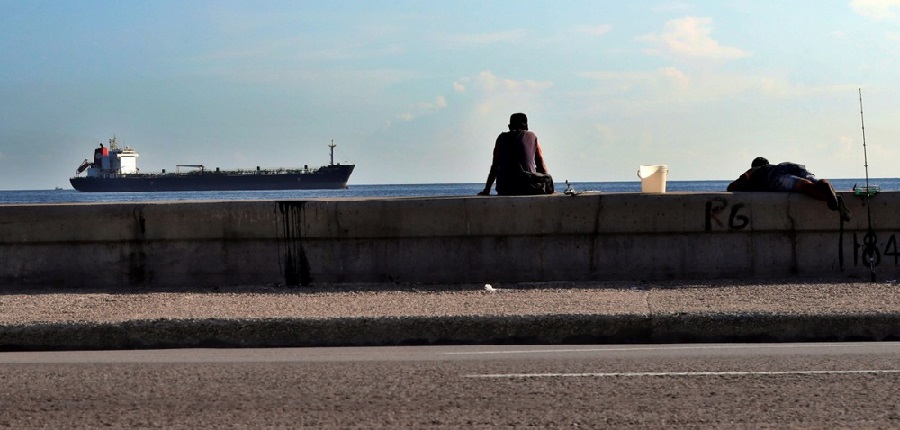
U.S. Treasury Secretary Scott Bessent told journalists on Wednesday that an exemption for purchasing Russian sea oil will not be extended. On Friday, the Treasury extended it for the fourth time in less than three months — for 30 days. According to a Reuters source familiar with the plan, the decision was made after several countries requested more time.
This is already the third extension since March. The first exemption was introduced after U.S. military operations with Iran effectively closed the Strait of Hormuz — through which up to 20% of global oil supplies passed.
Who and why is lobbying for an extension
India — the main buyer of Russian sea oil — increased purchases to record volumes in April-May. According to Bloomberg, it was Delhi that turned to Washington asking not to close the exemption. Indonesia and a number of other Asian countries joined it.
«Partner nations requested the U.S. extend the waiver due to ongoing pressures in Asia»
— a source from The Hill familiar with the situation
In parallel, the Treasury explained the decision differently: «As negotiations accelerate, the Treasury wants to ensure access to oil for those who need it» — the department stated.
Russia is profiting from the American oil concession
The paradox of the exemption license is that it coincides with Moscow's rapid growth in oil revenues. According to Ukrainian monitoring sources, during the period from April 5 to May 3, Russia sold oil averaging $2.42 billion per week — a record since the start of the full-scale invasion. Moscow's Finance Ministry replenished the Welfare Fund in May for the first time in almost a year — by 110 billion rubles.
- Global oil prices are holding at or above $100 per barrel due to the Iranian crisis.
- Gasoline in the U.S. — about $4.50 per gallon, the highest since the Biden administration.
- The Strategic Petroleum Reserve, temporary repeal of the Jones Act rule, talk of a pause on fuel taxes — none of Trump's measures have brought prices down.
Allies opposed, Congress preparing legislation
European Commission President Ursula von der Leyen publicly opposed it: "now is not the time to weaken sanctions against Russia." Democrats on the House Foreign Affairs Committee introduced a bill to suspend the exemption. Republican Moran called the decision favorable to "countries that want to harm us."
But there are no votes to block it yet, and the Trump administration justifies each extension with a new context — the Iranian crisis, Asian pressure, a negotiating moment.
If in 30 days the Strait of Hormuz remains effectively closed and oil prices do not fall below $90, the White House will most likely extend the exemption a fourth time — regardless of what Bessent says beforehand.



