Business in 2026: shelling and strikes on the energy system slow recovery — EBA survey
The European Business Association's annual survey recorded a decline in optimism among top executives. Why the figures point not only to risks but also to resilience — briefly and to the point.

By Tetiana Suchkova-Ladik
February 24, 2026 · 2 min read
What the survey showed
At the beginning of 2026 business sentiment in Ukraine became more restrained than a year ago — this is the main finding of the annual survey by the European Business Association (EBA) among 131 top managers of member companies, conducted from 3 to 17 February 2026.
The share of those who assess the situation positively fell from 40% to 32%, while negative assessments increased — from 14% to 23%. Forecasts for 2026 have also become more pessimistic: 39% expect deterioration (29% a year earlier), and those who believe in improvement dropped from 32% to 20%.
Why
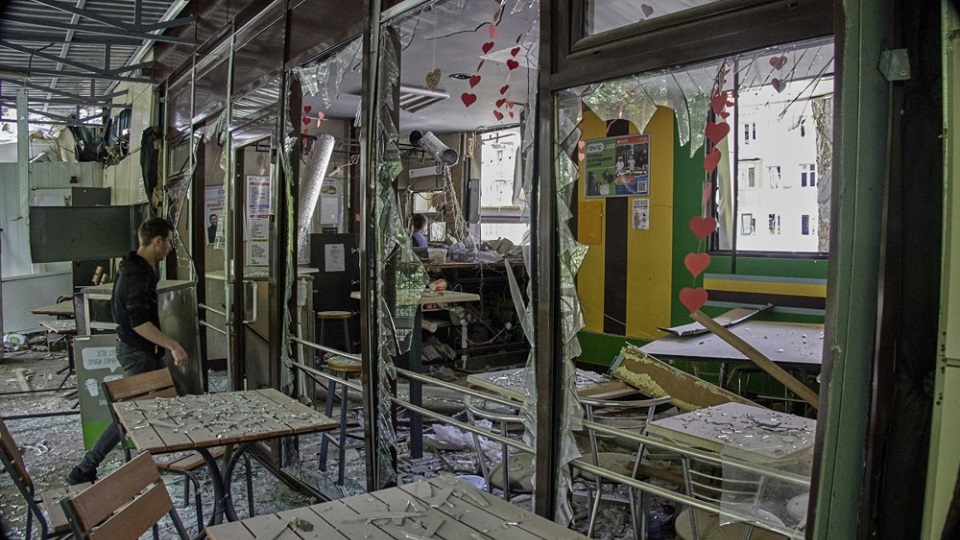
Businesses name attacks on the energy system (82%) as the main reason for the decline, followed by a shortage of qualified personnel (78%) and the war and occupation of territories (66%). An important signal: a year ago strikes on the energy sector were only fourth on the list — now it is a systemic risk affecting planning, investment and logistics.
"This year we see more restrained assessments and forecasts, which is an understandable reaction to prolonged security, energy and economic challenges"
— Anna Derevyanko, Executive Director of the EBA
Financial picture: risks and buffer
Business losses have increased: 20% of companies reported losses exceeding $10 million (in 2025 — 16%). At the same time, 67% of respondents have financial reserves for a year or more, indicating the overall solvency of most players.
Resilience is also confirmed by intentions: 76% of companies plan to continue operating in Ukraine regardless of the course of hostilities; only 10% would consider revising their presence if the war drags on. Meanwhile, 47% do not expect the end of hostilities in 2026.
Context: who was surveyed and what else to know
The sample includes 131 top managers: 61% represent companies with foreign capital, 39% with Ukrainian; by business size — 41% medium, 37% large, 22% small. Separately: in 2025 bankruptcy proceedings were initiated for 780 companies in Ukraine, the largest of which had turnover of UAH 7.7 billion.
What this means for the country
The figures point to two things at once. First, security risks — especially strikes on the energy system — directly affect business planning and reduce willingness to invest. Second, most companies retain resources and the intention to operate in Ukraine, which is a sign of confidence and a potential base for recovery after risk de-escalation.
Conclusion
The situation can be described as a balance between heightened risks and moderate business resilience. Now the question falls to policymakers and partners: will they turn this buffer into investments and protected infrastructure solutions? The speed at which the Ukrainian economy can move from survival to sustainable growth will depend on that.



