Bolt launches Driver-only in Kyiv: a professional driver for your car
A new service category lets users book a professional driver to operate their own car — offering convenience and added safety for urban mobility during the war and under movement restrictions.

By Tetiana Suchkova-Ladik
March 3, 2026 · 2 min read
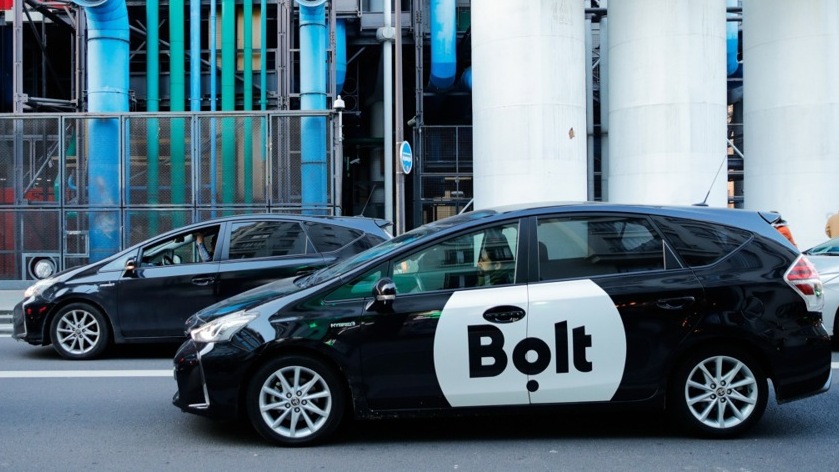
Bolt launches Driver-only in Kyiv
The new service allows a customer to order a professional driver who will drive their own car. For the capital's residents, this means fewer risks after a long trip or in situations where driving oneself is undesirable or dangerous.
What Driver-only offers
According to the company's press service, the Driver-only category will operate first in Kyiv with possible further expansion. Key features:
- the service provides a driver to operate the customer's car;
- the ability to book in advance for a specific time;
- liability insurance: damages caused by the driver will be covered by an insurance company;
- initially the service is available for cars with a automatic transmission;
- the trip cost will be higher than standard due to the need for the driver to travel to the customer's location and for the driver/vehicle to return after the trip.
"This category is aimed at users who need to hand over control of their vehicle to an experienced driver — for example, after a long journey, an event, or in situations where driving oneself is inconvenient or dangerous"
— Bolt press service
Context: why this matters now
Bolt resumed round-the-clock operations on February 20 in 24 cities across Ukraine, and in conditions where mobility remains critical to the functioning of cities, new services adapt the market to demands for safety and comfort. Driver-only responds to tangible needs: reducing the risk of fatigued driving, avoiding travel in inconvenient or dangerous conditions, and preserving private transport as a flexible resource.
Impact on the market and users
Mobility market analysts note that such services both increase user costs and create additional earning opportunities for drivers. For the state and urban infrastructure, it is an opportunity to reduce pressure on public transport during peak loads and operational restrictions.
What's next: the speed of rolling out Driver-only to other cities will depend on demand, the logistics of providing insurance, and the ability to adapt the vehicle fleet (primarily — the prevalence of automatic transmissions). It's an example of how business mobilizes to keep the country's service infrastructure operational even under difficult conditions.
Whether Driver-only will become a permanent practice for Ukrainian cities depends on how society weighs the balance between the additional costs and the benefits of safety and comfort.



