Britain has banned advertising of "unhealthy" food online and on TV before 9pm — what this will change and why Ukraine should pay attention
A law came into force on January 5 in the United Kingdom banning advertising of products high in fat, sugar, and salt online and on TV before 9 p.m. This is not just about children’s health — it is a test of digital-market regulation and advertising strategies.

By Tetiana Suchkova-Ladik
January 5, 2026 · 2 min read
Quiet but systemic step against childhood obesity
On Monday, 5 January, a new law came into force in the United Kingdom that bans the display of advertising for products high in fat, sugar and salt (HFSS) in online media and on television before 9:00 PM, The Guardian reports. The government frames this move as part of a strategy to combat childhood obesity.
What exactly is banned
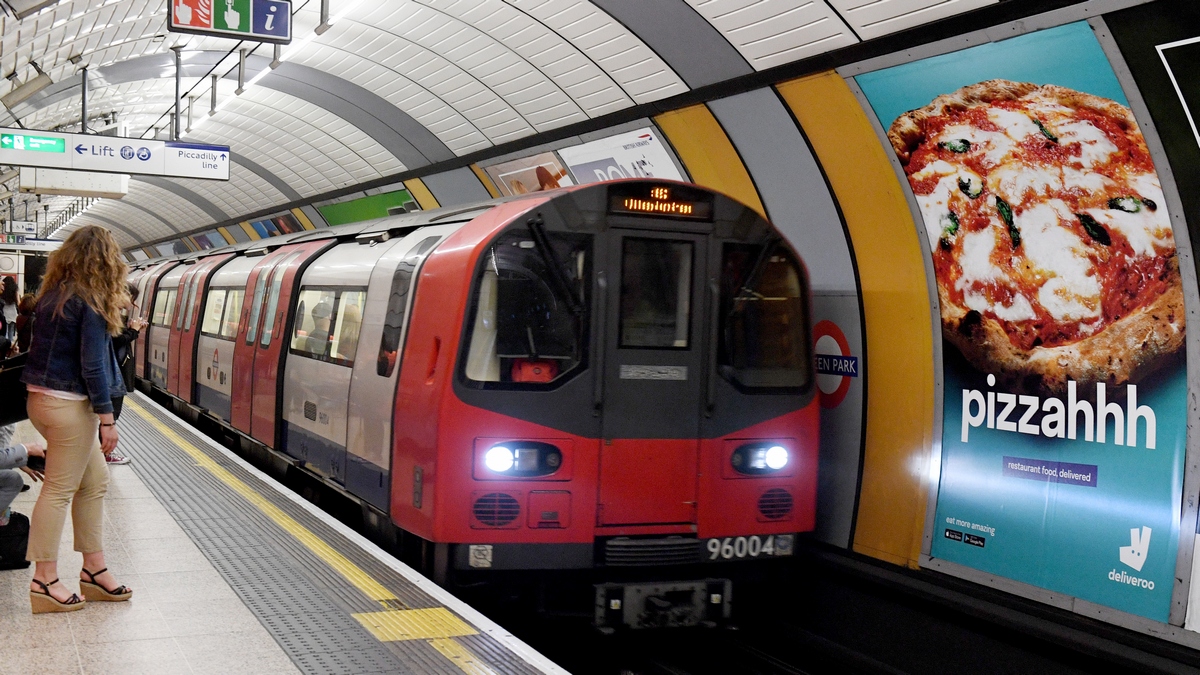
The rules cover 13 categories of goods — from sugary soft drinks, crisps and confectionery to pizza, ice cream and even some items from the "breakfast" section (porridges, muesli). The ban even includes "sandwiches of any kind." At the same time, it remains possible to advertise a brand if the advertisement does not show a specific product.
"Marketing of products high in fat, sugar and salt contributes to the formation of harmful dietary preferences in children."
— WHO / international public health position
Why this matters — the essentials
First, advertising shapes not only demand but also children's food preferences — habits are formed at an early stage. Second, digital platforms allowed circumvention of TV restrictions: personalized online ads are far more effective at changing behavior. Therefore, a ban that also covers the online space represents a new level of regulation.
Consequences for the market and platforms
Advertisers will line up to find new channels of influence: brand campaigns without showing the product, promotion of alternatives and educational projects. Platforms will have to strengthen targeting moderation and reporting. For marketing agencies this means reorienting strategies; for consumers — a potential reduction in exposure to harmful content.
Context: the digital world and loophole risks
A separate challenge is "brand" advertising and circumvention practices. The law allows promoting a brand provided that a specific product is not shown. This creates room for creativity for advertisers and, at the same time, the risk of preserving influence through indirect signals. It is also worth noting that amid discussions about the monetization of AI (including reports about the possibility of advertising in ChatGPT at the end of 2025), control over digital influence becomes even more relevant.
A lesson for Ukraine
The British case is not a universal playbook, but an important demonstration of an approach: combining time-based restrictions in traditional media with a total ban online. For Ukraine this raises three practical questions for discussion: whether the infrastructure for monitoring digital advertising is ready; how laws align with business rights; and what social programs will accompany the regulation so that it does not produce only cosmetic changes in behavior.
Brief conclusion
The UK's decision is an example of how governments try to protect children from aggressive marketing. For Ukraine it is a signal — regulation of the digital space and public health policy must go hand in hand, otherwise the effect of bans will be limited.



