BYD sets its sights on Formula 1 — why it matters beyond motorsport
A Chinese electric-vehicle manufacturer is considering entering motorsport — from endurance racing to a full‑fledged Formula One campaign. It’s a question of image, technology and geoeconomic competition — we explain why this deserves attention today.

By Tetiana Suchkova-Ladik
March 12, 2026 · 2 min read
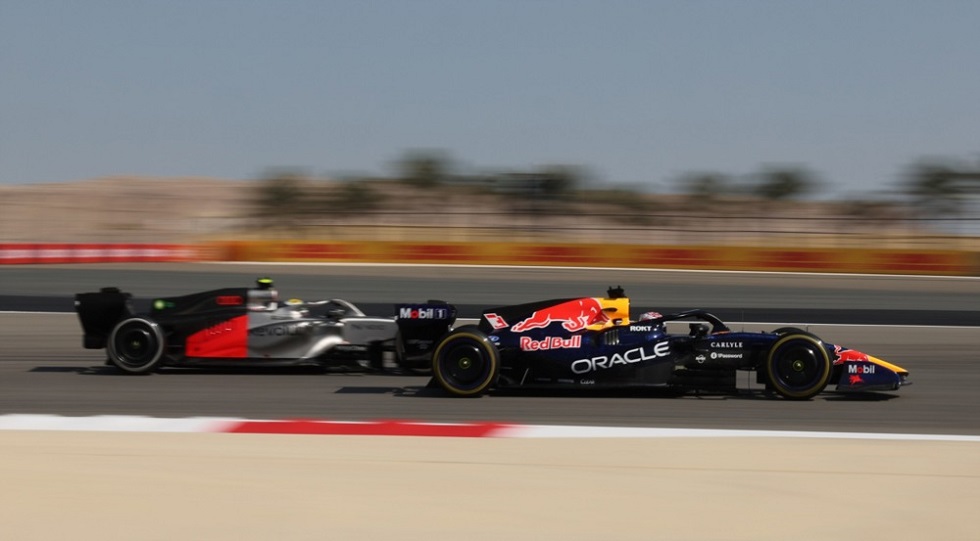
Money loves silence — Bloomberg on BYD's plans
According to Bloomberg, BYD is considering several scenarios for entering motorsport — from the World Endurance Championship to Formula 1. The company could form its own team or pursue acquisitions of an existing entrant, such as Alpine.
What sources say
Options range from participation in long‑distance series to immediately stepping up to the highest level — Formula 1. A Bloomberg source notes that the costs of competing in F1 can be a significant barrier: development and operation often require tens or hundreds of millions of dollars, and some estimates put the figure at around $500 million per season. No decision has been made yet — BYD may decide not to enter at all.
"A Chinese manufacturer would be the next logical step for this sport after the arrival of Cadillac"
— Mohammed Ben Sulayem, president of the FIA (Le Figaro)
Why it matters: technology, image, markets
Here are three reasons to follow this story:
- Technology proving ground: Formula 1 is an effective platform for showcasing hybrid and electric solutions. From 2026 the rules foresee a significant strengthening of the electric component of power units (MGU‑K up to ~350 kW), and BYD's involvement could accelerate the commercialization of those solutions.
- Image and market access: Partnership with F1 greatly raises brand awareness, particularly in the US, where BYD currently sells few cars due to tariffs and restrictions. For the company, it’s a way to "break through" without changes in customs policy.
- Geoeconomic signal: BYD in Formula 1 would be another marker of growing Chinese influence in high‑tech sectors — from batteries to electric motors. For regulators and businesses, it’s an indicator of competition that must be taken into account.
Context for Ukraine
For our country this news has practical significance: rising demand for electric transport intensifies competition for supply chains, components and raw materials. This opens both opportunities (export of components, services, R&D) and challenges (dependence on external suppliers and technological competition).
Possible development scenarios
The most notable paths are no entry, participation in endurance series, creating a factory team, or buying an existing one. Each scenario carries its own timing and financial risks: negotiations, infrastructure, technological integration and regulatory issues.
Brief conclusion
BYD already became the global EV market leader in 2025, and in March 2026 presented a battery that charges to 70% in ~5 minutes — factors that make the brand a strong contender for a prominent role in global motorsport. If BYD enters Formula 1, it would be not only a marketing move but part of a broader technological and geoeconomic game. The question for partners and regulators: how to respond — through rules, investments, or strengthening their own technological capabilities?
Sources: Bloomberg, Le Figaro, official FIA statements



