Nearly 5,000 interceptors delivered to troops via DOT‑Chain Defence to counter Shahed
Systemic work that is not always in the foreground: the DOT‑Chain Defence platform has added new interceptor drones — what this changes for the defence of the skies and how long they will be sufficient to counter waves of Shahed.

By Tetiana Suchkova-Ladik
December 31, 2025 · 2 min read
What happened
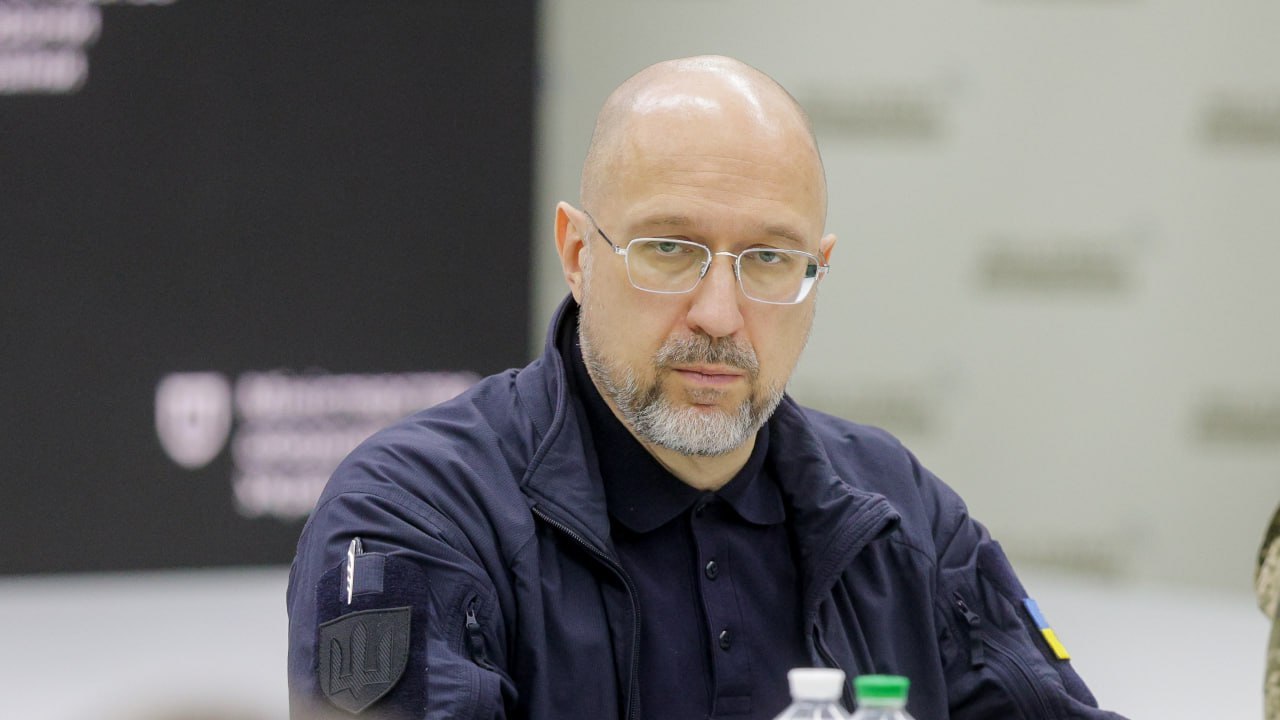
Interceptor drones designed to combat Iranian Shahed-type drones have begun to be supplied via the DOT‑Chain Defence marketplace. Denys Shmyhal reported the update on Telegram: these models were added to the "Army of Drones Bonus" program after surveying units about the effectiveness of specific platforms.
"This is already the second type of interceptor drones to be supplied to the military via DOT‑Chain Defence. Earlier, tactical-level interceptor drones that help counter enemy reconnaissance and strike UAVs at the front line were added to the marketplace."
— Denys Shmyhal, Prime Minister (Telegram post)
According to the government, by the end of December units had received nearly 5 000 of these systems via DOT‑Chain Defence. The Defense Ministry’s Defense Procurement Agency signed contracts with six manufacturers of this type of UAV.
Why it matters
Contemporary warfare is not only artillery and aircraft, but also mass unmanned attacks that can operate in waves. The mass arrival of interceptors strengthens the ability to protect critical infrastructure and populated areas without creating additional points of escalation.
There are several key numbers that provide context:
• Nearly 5,000 interceptors — deliveries via the platform by the end of December.
• 6 manufacturers — diversifying supply chains reduces the risk of relying on a single supplier.
• Estimated needs: in September President Volodymyr Zelenskyy said that to counter 800 Russian "shaheds" about 1,600 interceptors are needed, and other government statements indicated the possibility of using up to 1,000 interceptors per day — a figure that illustrates the need to scale up production and logistics.
"To counter 800 Russian 'shaheds' you need 1,600 interceptors."
— Volodymyr Zelenskyy, President (September statement)
What’s next
Supply via DOT‑Chain Defence is an important element of the system, but it’s not just about the number of drones. Needed are:
• Robust logistics — maintenance, batteries, spare parts.
• Personnel training — optimal tactics for use during wave attacks.
• Mass production — contracts with multiple manufacturers and international cooperation (including the mentioned partnership on the OCTOPUS series with British participation) should turn declarations into a stable supply.
Systematic integration of interceptors into everyday defense changes the balance of power where mass unmanned attacks operate — but only if supplies are accompanied by logistics and operational training. Now it’s up to production and support: will these deliveries be turned into a sustainable line of defense?



