Quarter of Processing Halted: Ukrainian Drones Stopped Russia's Central Oil Belt
# Translation Attacks on oil refineries in central Russia have disabled capacities exceeding 83 million tons per year — over 30% of gasoline production and a quarter of diesel output. For the first time since the war began, strikes on infrastructure are directly impacting the domestic fuel market.

By Tetiana Suchkova-Ladik
May 20, 2026 · 2 min read
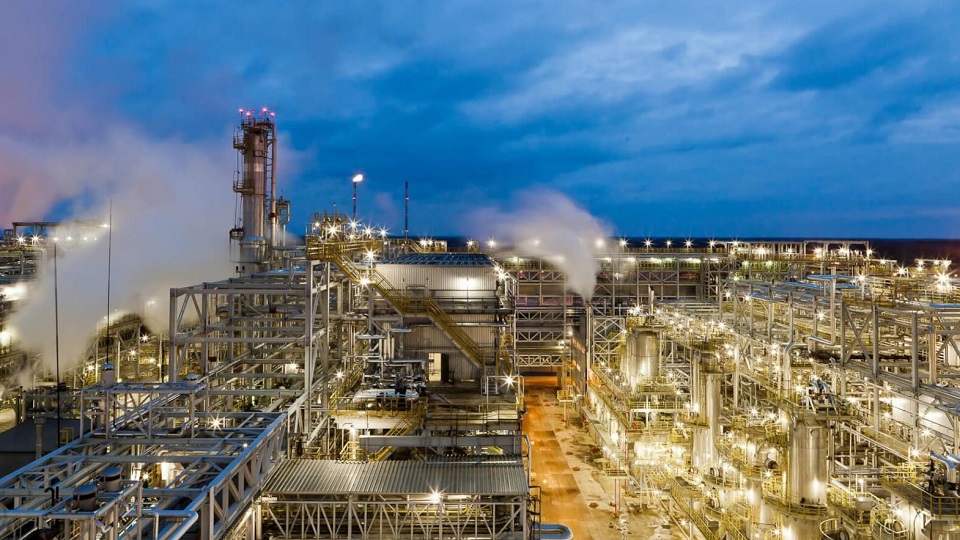
Practically all major oil refineries in central Russia have either halted or reduced production following a series of Ukrainian drone attacks. According to Reuters citing industry sources, the combined capacity of the affected facilities exceeds 83 million tons per year — roughly a quarter of all the country's refining capacity.
What actually stopped
The figures are more specific than usual in such reports: the damaged refineries produced over 30% of Russian gasoline and approximately 25% of diesel fuel. The central region is not a peripheral area: these are plants that supply fuel to both the military and the civilian market in the European part of Russia.
According to an assessment by the Carnegie think tank, published in September–October 2025, the attacks affected 16 major refineries with a combined capacity of 123 million tons — already 38% of the all-Russian total, though Carnegie cautions: this is an upper limit of potential losses, not a guaranteed volume of disabled capacity.
"38 percent is the ceiling of possible losses, not a confirmed fact of shutdown"
Sergiy Vakulenko, Carnegie Endowment for International Peace
From strike to pump: how this affects the economy
In the first months of 2025, Reuters recorded a real, not calculated effect: approximately 10% of refining capacity was actually taken out of service, which has already affected trade flows. According to data from analytical company Vortexa, cited by Bloomberg, daily export of petroleum products from Russia in early October 2025 fell to 1.88 million barrels — the lowest figure at least since the start of the full-scale invasion in 2022.
Meanwhile, the total volume of refining remains below 5 million barrels per day — also a record low over three years. Radio Free Europe reports that Kyiv deliberately strikes the same facilities repeatedly: Russia manages to partially restore operations, but full repairs take months.
Why the central region is no accident
Refineries in the east and Siberia are technically more difficult for drones to reach from Ukrainian territory. Central plants are within striking range. But there is also strategic logic: these are precisely the ones that supply fuel to railway hubs, supply logistics to the front, and civilian transport in densely populated regions. disruptions here simultaneously strike both military logistics and internal pricing.
- 83+ million tons/year — capacity of halted or partially halted refineries
- ~238,000 tons/day — daily equivalent of lost refining
- 30% gasoline, 25% diesel — share of affected plants in production
- 1.88 million barrels/day — petroleum product exports in October, minimum since 2022
The question is not whether Russia will feel a shortage — the first signs are already there. The question is whether it will have enough repair capacity and spare parts to restore the refineries faster than Ukraine delivers the next strikes: if the "strike — repair" cycle shrinks to a few weeks, Kyiv's strategy will be neutralized by its own effectiveness.



