Chips Without Color: How the Closed Strait of Hormuz Reached Japanese Supermarket Shelves
Calbee is switching 14 products to black-and-white packaging starting May 25 — not due to a design trend, but because of oil that cannot pass through the Strait of Hormuz. The chain is simple and alarming.

By Tetiana Suchkova-Ladik
May 12, 2026 · 2 min read
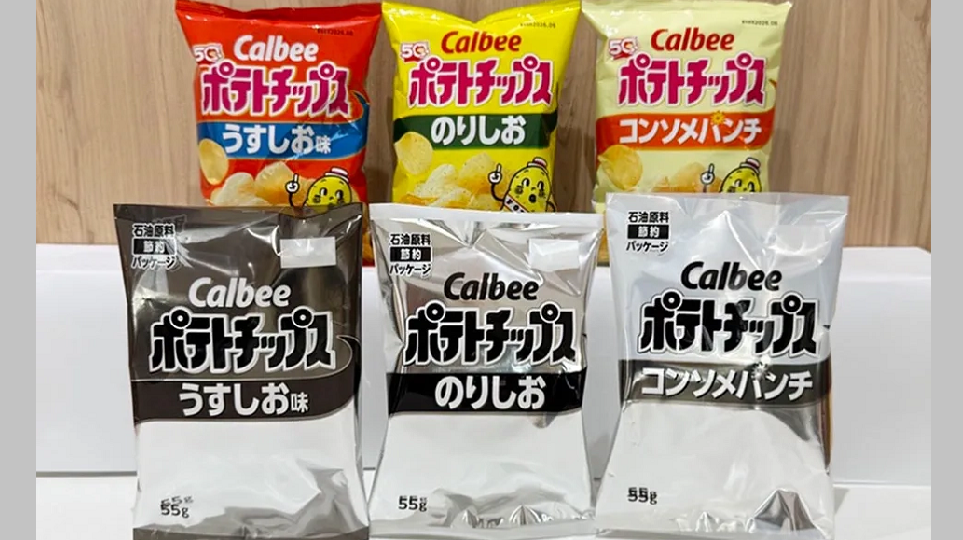
Japanese snack manufacturer Calbee will start selling chips, shrimp snacks Kappa Ebisen and muesli Frugra in colorless packaging — gray shades instead of the usual bright orange and yellow — on May 25. It's not a rebrand or marketing move. The reason is a shortage of petrochemical raw materials due to the war with Iran.
From oil to paint on your packaging
The key substance in this story is naphtha, a petrochemical distillate used simultaneously in the production of plastics, fertilizers and dyes for printing inks. Naphtha is a key component in the production of plastics and printing materials. Oil prices in Asia have nearly doubled since the conflict began, pushing up business costs across the region.
Several Japanese petrochemical companies have announced production cuts due to concerns that the Middle East conflict will limit oil supply. Asia imports about 70% of its oil from the Middle East.
The chokepoint is the Strait of Hormuz. Due to its effective closure since the war with Iran began, about 20% of global oil supplies have been disrupted, triggering a global energy crisis.
What Calbee is changing — and why it matters
The change will affect 14 products: new packaging will appear on shelves on May 25 and will not affect product quality, the company assures. The company did not specify when it plans to return to full-color printing.
"This measure is designed to ensure stable product supply."
— Calbee official statement
Meanwhile, the Japanese government is trying to ease concerns. Deputy Chief Cabinet Secretary Kei Sato said that Japan "has not received any reports of immediate disruptions in the supply of printing ink or oil" and that the necessary volume for the country as a whole is secured.
Calbee — just the first visible signal
The change in chip packaging is the most visible, but far from the only consequence. On May 1, Japanese food manufacturer Mizkan suspended sales of some of its products and raised prices on others due to a shortage of polystyrene containers. Automakers Toyota and Hyundai reported declining profits due to rising material costs and falling sales.
Just as the COVID pandemic pushed companies toward a "China plus one" strategy to reduce dependence on Chinese manufacturing, the war with Iran could force businesses to seek a "Middle East plus one" strategy — to reduce dependence on a single bottleneck.
The chip packaging lost its color quickly. The question is different: if the Strait of Hormuz remains blocked for another 6-12 months, which Japanese goods will next change not just their color, but also their composition or price?



