The State Bureau of Investigation (DBR) doubts the identification of "Vokzal" and "Lyosha" on Mindich's tapes
Head of the DBR’s investigative department Dmytro Mirkovets told a meeting of a temporary commission that the Bureau does not consider it proven that NABU correctly matched the pseudonyms to DBR employees. The investigation into Energoatom is ongoing, and there is no evidence so far.
By Oleg Bazylewicz
December 10, 2025 · 2 min read
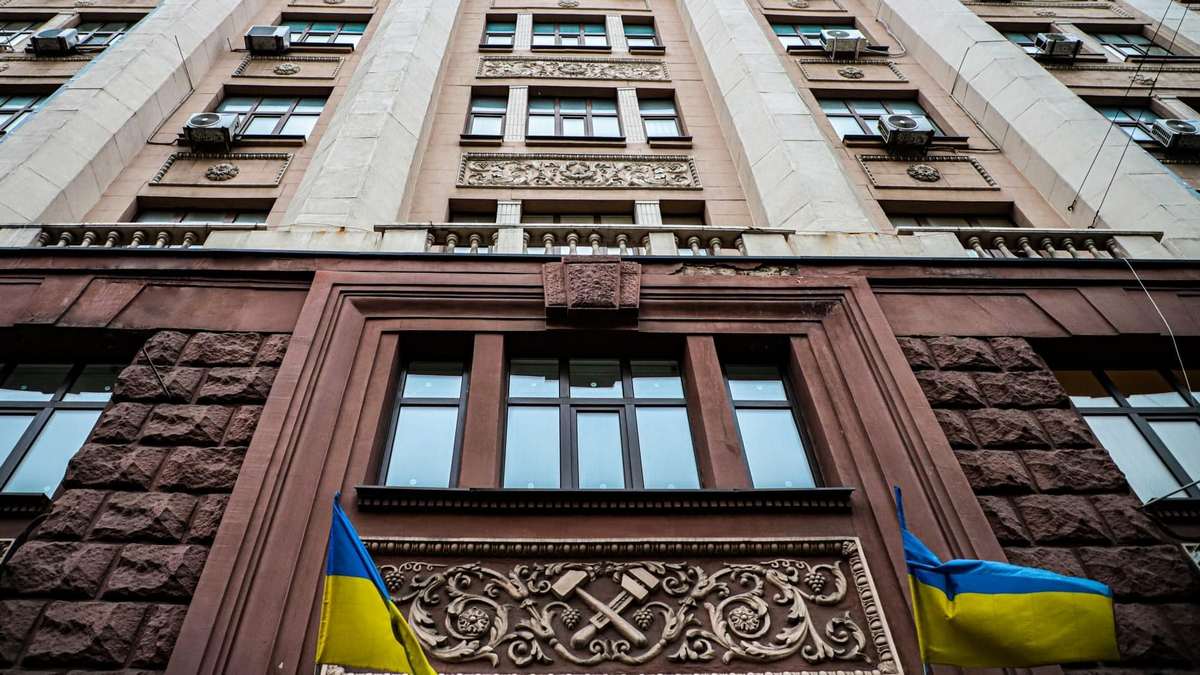
The head of the Main Investigation Department of the State Bureau of Investigations (DBR), Dmytro Mirkovets, said at a meeting of the temporary investigative commission on Wednesday that the Bureau does not consider NABU's conclusion identifying the pseudonyms "vokzal" and "Lyosha" on the Mindich recordings to be proven.
Assessment of the identification of pseudonyms
According to the National Anti-Corruption Bureau (NABU), the word "vokzal" may refer to the DBR, since its office is located on Petlyura Street near the Central Railway Station in Kyiv. NABU also suggests that the name "Lyosha" may refer to the head of the DBR, Oleksii Sukhachov. Mirkovets questioned this interpretation and cited geographic arguments.
In your materials you interpret "vokzal" as the DBR. [But] if you look geographically — Energoatom is located 300 metres [from us] in the station area; Ukrenergo is closer to the station
– Dmytro Mirkovets
Mirkovets added that investigators thoroughly checked each episode in the recordings and do not equate every mention of names with specific individuals because certain names are common in Ukraine.
We checked every phrase to see if it could be linked to a criminal proceeding or some act of influence. Where the phrase "You need to ask Lyosha" appears, we do not identify it, because Oleksii is a very common name in Ukraine
– Dmytro Mirkovets
Investigation into Energoatom
The DBR opened a criminal proceeding to verify the possible involvement of its employees in a corruption scheme at Energoatom. So far, the Bureau has not found sufficient evidence of wrongdoing.
As a result of investigative actions, it was established that the persons involved in the case did indeed visit the administrative building of the DBR's central office. The agency says it knows the purpose of these visits, the topics of the conversations, and the people with whom the suspects spoke.
In particular, suspect M. visited the DBR to discuss a criminal proceeding regarding one of his former subordinates while working at the State Property Fund. The conversation was not recorded in a procedural document because he did not provide information that would have had material significance for the investigation.
About the tapes and pseudonyms
- The Mindich tapes are wiretap recordings made by NABU detectives during the investigation into corruption at Energoatom; the materials are named after businessman Timur Mindich.
- Participants in the conversations, fearing wiretapping, used pseudonyms: the main suspect was sometimes called Karlson, others — Rocket, Tenor, Sugarman, etc.
- Code names used to denote third parties included: Sigismund, Professor (known as a former minister of justice) or Che Guevara (likely a former deputy prime minister).



