State Audit Service inspected Energoatom and handed materials to NABU: what it means
An audit of the state company that operates four nuclear power plants has concluded with the transfer of materials to the anti-corruption bureau. This is not a verdict — but a signal that cannot be ignored.

By Tetiana Suchkova-Ladik
May 20, 2026 · 2 min read
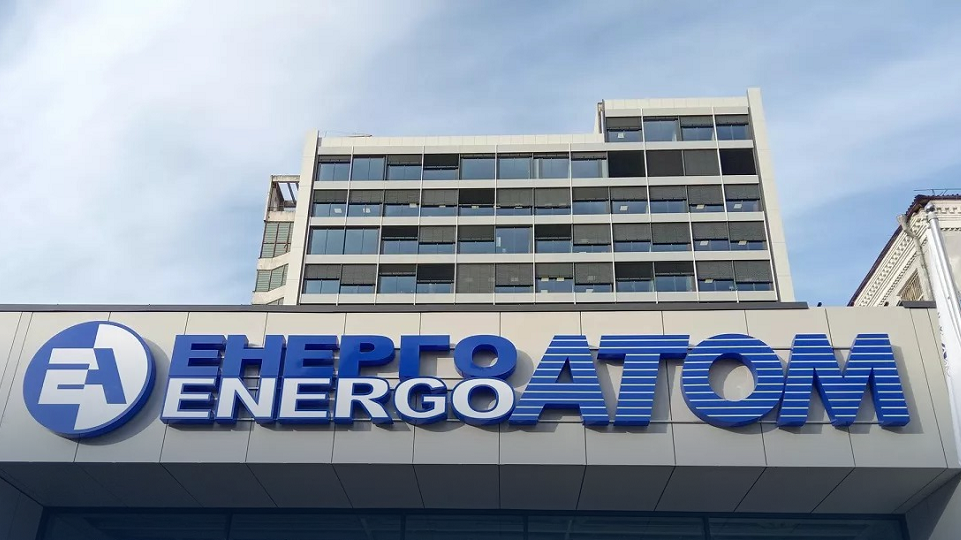
The State Audit Service has completed a scheduled audit of Energoatom's activities for 2023–2025 and submitted materials to the National Anti-Corruption Bureau of Ukraine. This became known from official sources of the agency.
Energoatom is not an abstract state company. It is the operator of four nuclear power plants that, in the context of war, provide approximately half of the country's electricity production. Any financial violations here are not just lines in accounting—they are a direct threat to the state's energy stability.
What is known about the audit results
The State Audit Service has not disclosed the full text of its conclusions—this is standard practice when materials are submitted to law enforcement agencies. It is only known that the audit covered three years of the company's operations, meaning the period that includes the full-scale invasion, operations under constant bombardment of infrastructure, and emergency procurement.
Emergency procurement is traditionally the most vulnerable point. In a state of martial law, some tender procedures are simplified or canceled, creating space for abuse. Whether the audit recorded this specifically—remains unknown for now.
NABU: not a violation, but grounds for investigation
Submitting materials to NABU does not automatically mean opening a criminal proceeding. The bureau must independently assess whether there are grounds for investigation. At the same time, the very fact of submission indicates that auditors found something that goes beyond ordinary accounting discrepancies.
Energoatom has not yet commented on the situation publicly. This is also telling—the company should have refuted or explained the matter if it is merely a technical violation without corruption elements.
Context that cannot be dismissed
2023–2025 was the period when Energoatom received international financial and technical assistance, transitioned to Westinghouse fuel, and conducted large-scale procurement of equipment for station protection. The volume of funds flowing through the company was unprecedented.
In parallel, discussions continued about the company's transparency: NAK Naftogaz and Ukrenergo publish detailed reports, while Energoatom publishes considerably more modest ones. This is not a violation, but it is the context in which an audit is the only external control tool.
What's next
If NABU opens a proceeding—this will become Ukraine's first major anti-corruption investigation in the nuclear industry. If not—the materials may be transferred to other agencies or remain without criminal consequences.
The key question here is not whether Energoatom is "guilty," but rather: does the state have sufficient tools to actually control a company that manages critical infrastructure in wartime—and is it ready to use them publicly, rather than behind closed doors?



