The State Promises to Repair Roads by June 1 — While Owing Contractor 6 Billion Hryvnias
Avtostrada owner Maksym Shkil warned that without debt repayment, the company may halt work — just as Prime Minister Svyrydenko publicly promised to complete repairs on all roads in the country within three weeks.

By Tetiana Suchkova-Ladik
May 13, 2026 · 2 min read
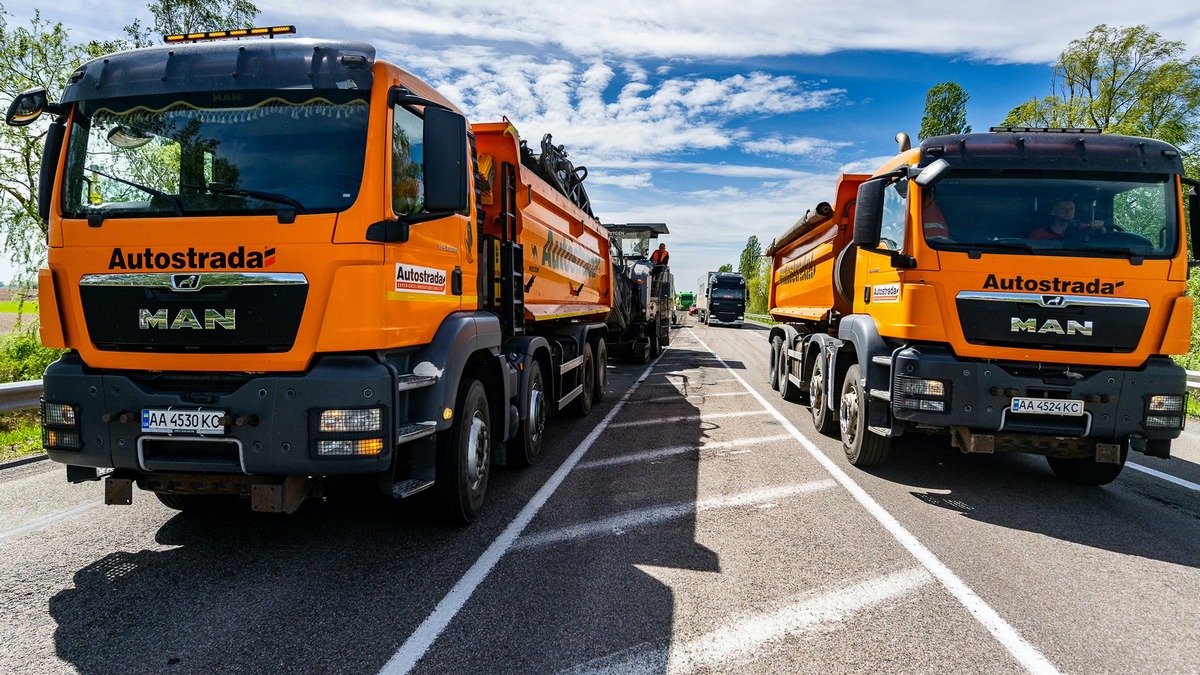
Prime Minister Yulia Svyrydenko announced on May 11, 2026, that current repairs on all public roads in Ukraine would be completed by June 1 — 10 million square meters of pavement, with priority on logistics and defense routes. A few days after this statement, one of the key executors of this plan spoke up.
«The debt owed only to Avtostrada by June 1 will exceed 6 billion hryvnias. As of today, there is no clear understanding of the repayment schedule».
Maksym Shkil, owner of the Avtostrada group, on Facebook
The problem is not new: according to Forbes Ukraine, back in 2024, the state's total debt to Avtostrada reached 10 billion hryvnias — accumulated mainly from the "Big Construction" program era. The company is part of the MS Capital group and is one of the country's largest road contractors. Shkil publicly accused the former Prime Minister Shmyhal of blocking payments — and, as reported by Ekonomichna Pravda, hinted that he had exhausted all options for quiet resolution.
What lies behind the figures
Road development and maintenance in the 2026 state budget is allocated 12.8 billion hryvnias — plus another 15 billion hryvnias to service old debts from the Ukravtodor era. Serhiy Sukhomlyn, head of the Recovery Agency, estimated the need for state-level roads alone at 12–14 billion hryvnias, local roads — up to 40 billion hryvnias. This means the government's declared repair plan is physically based on resources that are insufficient even by optimistic calculations.
The government, for its part, announced an additional 3.5 billion hryvnias for local roads and is considering redirecting some debt servicing funds toward repairs. However, a specific mechanism for repaying contractors' debts has not been publicly announced.
- Deadline for international routes — May 1 (according to Svyrydenko, main work is already complete).
- Deadline for national roads — June 1, 2026.
- Debt to Avtostrada — over 6 billion hryvnias as of the same date.
- Repayment deadline — undefined.
Why this is more than just a corporate complaint
Avtostrada is not the only contractor with similar claims against the state: chronic payment delays have been a systemic feature of Ukraine's road market since at least 2021. If a major player with resources and legal leverage cannot collect a debt for years, smaller companies stop working much earlier and quietly — without any Facebook posts.
The situation is further complicated by the context: simultaneously, Avtostrada wins new tenders — including in Rivne region for hundreds of millions of hryvnias, where, according to investigative journalists from Absolution Leaks, the competition conditions were formulated so that only this company became the sole participant. The VAKS court has already issued a ruling in case № 991/9667/25.
This creates a paradox: the state simultaneously owes the contractor billions and continues to award him new contracts — without public explanation of how these two facts coexist.
If the government does not announce a specific debt repayment schedule to contractors by June 1, the declared repair deadlines will become paper reporting — not roads under wheels.



