State to cover up to 30% of costs for vegetable and fruit storage facilities — how this will protect crops and jobs
The Cabinet of Ministers has introduced grants for new storage facilities starting at 3,000 tonnes: state support up to 30% (but no more than UAH 20 million), and up to 50% in frontline regions. We examine who stands to benefit and which systemic problems this is intended to solve.

By Tetiana Suchkova-Ladik
January 22, 2026 · 2 min read
What the Cabinet approved
The Cabinet of Ministers has introduced a grant program for the construction of vegetable and fruit storage facilities. As the Prime Minister, the state will cover up to 30% of construction costs (but no more than UAH 20 million) provided there is co-financing by the recipient and creation of jobs, she said.
"The state will cover up to 30% of construction costs, but no more than UAH 20 million, provided there is co-financing by the recipient. Support will be provided for the construction of new storage facilities with a capacity of at least 3,000 tonnes and provided jobs are created."
— Yuliia Svyrydenko, Prime Minister
A separate provision for frontline regions: if an enterprise is located in areas of active or possible hostilities, the state may cover up to 50% of construction costs. A condition is also cited that the enterprise hold ownership rights to 80% of land plots in the temporarily occupied territories.
Who and under what conditions
The support is aimed at the construction of new storage facilities with a capacity of at least 3,000 tonnes. Agricultural producers will be able to receive the grant provided they co‑finance the project and create jobs — an important signal that the program is aimed not only at technical outcomes but also social returns.
Why this matters
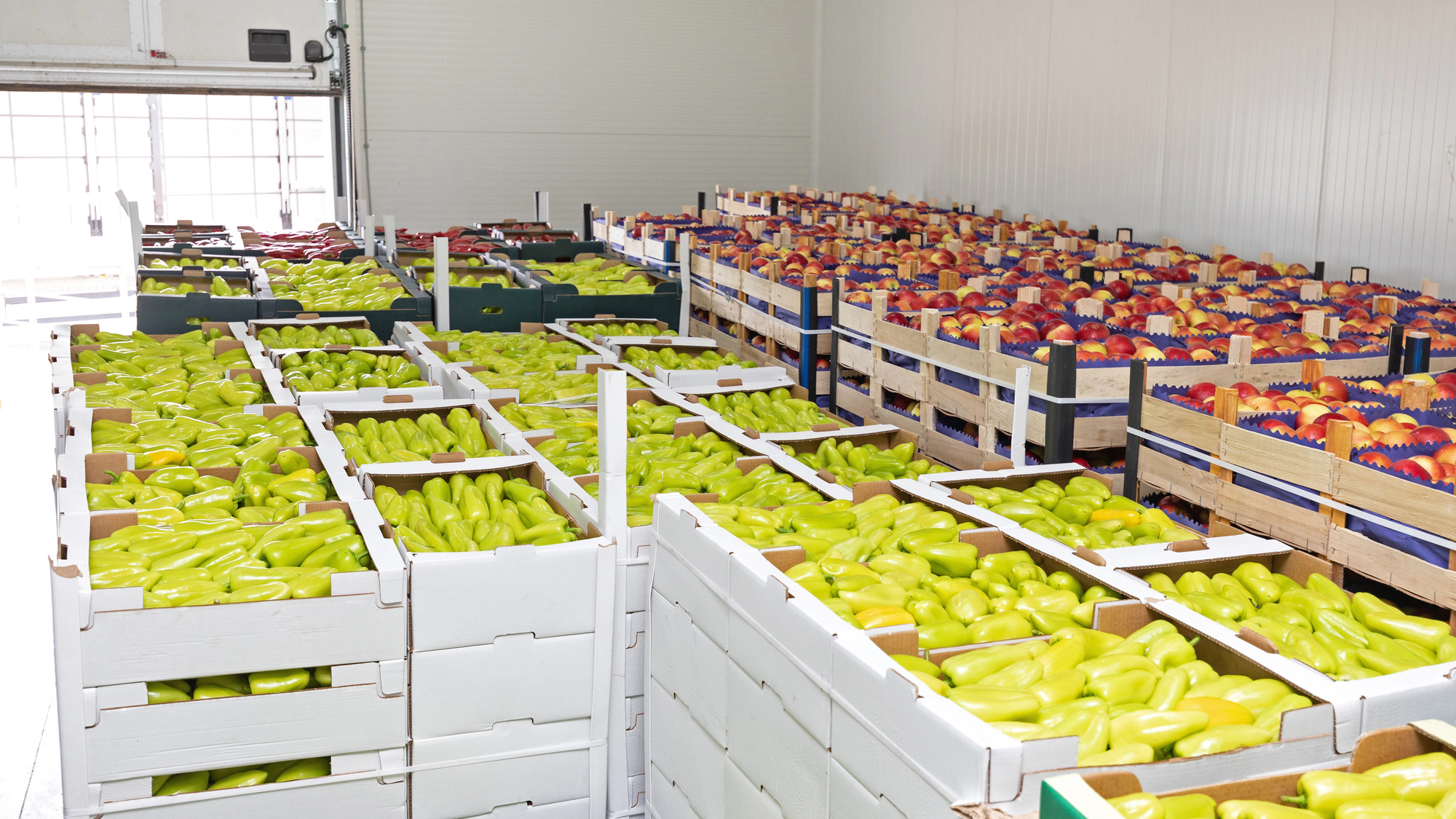
Storage is not a technical detail but a key to food security and farmers' incomes. According to representatives of the Verkhovna Rada Committee on Agrarian and Land Policy, as of 2023 Ukraine lacked approximately 150–170 vegetable storage facilities. Because of this, post‑harvest losses of fruit and vegetable products can reach 40–60%.
"Ukraine does not have a shortage of vegetables. Problems can only arise with their storage."
— Dmytro Solomchuk, member of the Verkhovna Rada Committee on Agrarian and Land Policy
Investments in storage reduce seasonal supply volatility, curb price drops at peak harvest and increase farmers' profitability in the long term. For consumers this means more stable prices and availability of produce out of season.
First cases and a signal to the market
In December 2025 the company "Agroinvest" from the Ternopil region became the first recipient of state funding for the construction of a vegetable storage facility. This is an important precedent: the state is showing its readiness not only to talk about support but to invest funds.
Risks and limitations
The program addresses some problems but does not solve everything. Mechanisms are also needed to monitor spending efficiency, access to cheap loans for co‑financing, and logistics infrastructure to transport produce to the storage facilities. In frontline regions, additional coverage of costs is logical from the perspective of restoring capacity, but requires clear security guarantees and transparent procedures for formalizing land rights.
Conclusion
This initiative is a step toward strengthening food resilience and supporting local jobs. But its effectiveness will depend on how quickly the program is converted into real facilities and whether the agricultural sector receives accompanying support in the form of loans, logistics and technical assistance. Now the ball is in the court of agricultural producers and local communities: whether they can take advantage of the new opportunities and turn state grants into lasting infrastructure is a question of strategic importance for the coming seasons.



