State reclaims 9.5 hectares on the Dnipro riverbank — asset linked to Medvedchuk returns to state ownership
The return of 9.5 hectares of forest near Tsybli is not an isolated case, but part of a systematic effort to recover illegally alienated lands connected to pro‑Russian networks. We examine how this happened and what the consequences may be.

By Tetiana Suchkova-Ladik
March 16, 2026 · 2 min read
What happened
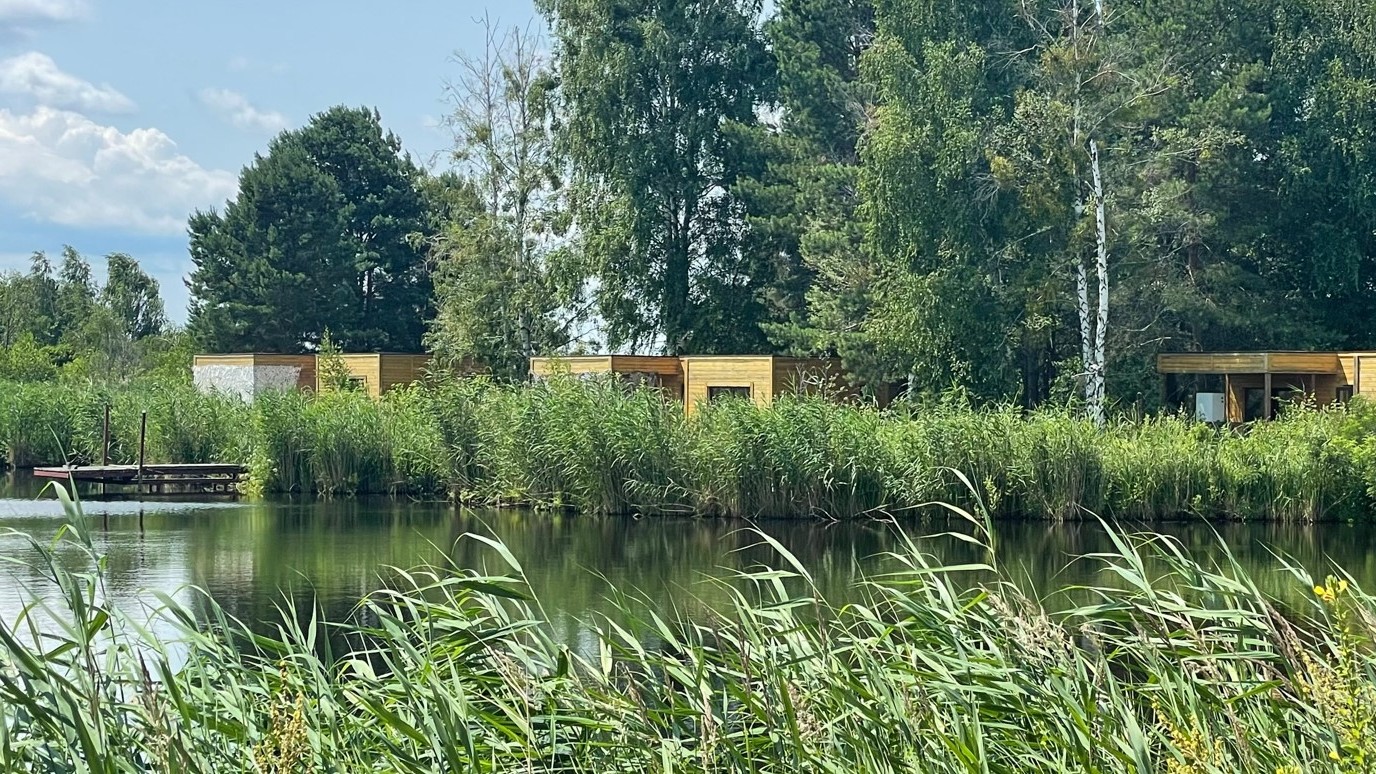
In March 2026, 9.5 hectares of forest on the bank of the Dnipro near the village of Tsybli (southern part of Kyiv region) were returned to state ownership. This was reported by the Office of the Prosecutor General. Since the early 2000s, the lands had been controlled by structures linked to a former minister and a people's deputy who are named in criminal proceedings.
Basis for the decision
The return took place due to an overreach of authority by local officials: the Pereiaslav‑Khmelnytskyi District State Administration allegedly illegally transferred forestry lands into private ownership and use. This served as the basis for declaring the alienation invalid and returning the parcel to the state.
"The land plots are connected to former people's deputy‑traitor Viktor Medvedchuk and the minister from Yanukovych’s era, Oleksandr Klymenko. In particular, the ultimate beneficiary of the company that used part of the land is the wife of the sanctioned pro‑Russian politician"
— Office of the Prosecutor General
Context: not an isolated case
This is not the first instance: earlier the state returned another 24 ha of forest in Obukhiv District linked to the same structures. The cases around these assets are part of a broader chain of criminal proceedings, which include suspicions of high treason, financing pro‑Russian terrorists and illegal coal supply schemes — according to investigators, such operations resulted in funding of more than UAH 200 million.
Why this matters for the reader
First, regaining control over lands in protected and coastal areas is an element of safeguarding natural resources and preventing their illegal exploitation. Second, such decisions are an indicator of how the system for returning assets connected to people suspected of aiding the aggressor is working. Third, it sends a signal to partners and internal auditors: the state is demonstrating the ability to restore control over resources that have strategic and ecological significance.
What next
After the legal return of the land, the important question will be effective management: transfer to appropriate state administration, audit of previous decisions, and mechanisms to prevent repeat schemes. The expert community in anti‑corruption and land law stresses that systematic work on returning assets must be accompanied by transparent procedures for their disposition.
This decision is another step in the chain of returning resources linked to pro‑Russian elites. The question is whether the system will manage to turn these legal victories into long‑term benefits for communities and the state.



