NABU detectives in final round for customs chief: integrity as the first step in reform
An international commission favored two NABU detectives, focusing on restoring trust and reducing corruption risks — we explain why this matters for state revenues and trade.

By Tetiana Suchkova-Ladik
March 27, 2026 · 2 min read
Briefly: why this matters
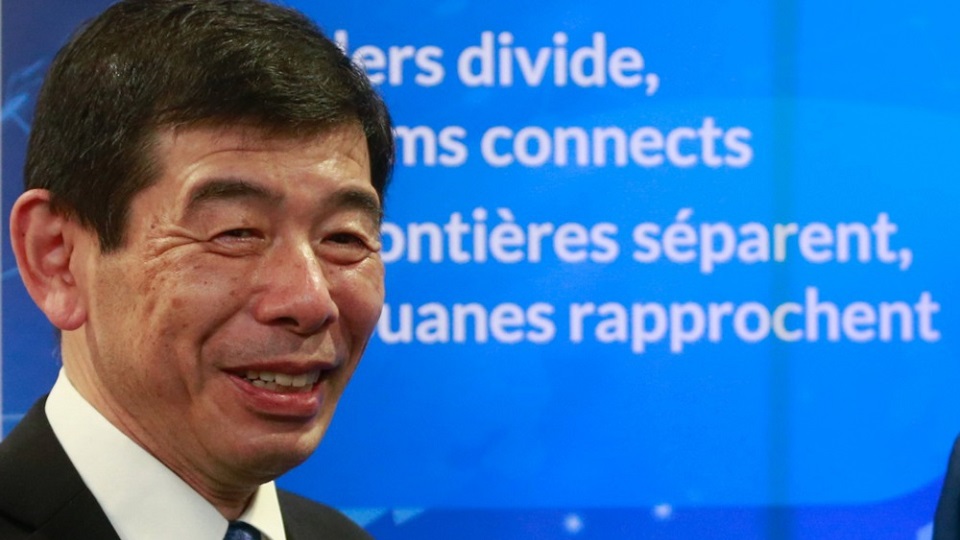
The chair of the selection committee, Kunio Mikuriya, explained that Ruslan Damentsov and Orest Mandziy — both from the National Anti-Corruption Bureau — advanced to the final round of the competition for the head of the State Customs Service. The reason for the choice is simple and principled: integrity must be the first step in rebooting the customs service. This matters not only symbolically — the efficiency of customs affects budget revenues, the fight against smuggling, and the protection of trade corridors.
The commission's decision: the logic, according to the expert
In an interview with Interfax-Ukraine, Mikuriya, who served as Secretary General of the World Customs Organization until 2023, said the committee evaluated candidates collectively and preferred those with practical experience in combating corruption.
"Today Ukraine's customs service first and foremost needs to resolve the issue of integrity. So, perhaps as a first step of reform, bringing in an experienced anti-corruption fighter would be a good move."
— Kunio Mikuriya, chair of the selection committee; former Secretary General of the World Customs Organization
Mikuriya also noted that the committee is not ignoring personnel from within the customs service itself — they could lead the reform later, but for now the priority is restoring trust and standards.
Critics' position: risks of concentrated influence
Political reactions were mixed. The chair of the Verkhovna Rada's finance committee, Danilo Hetmantsev, told LIGA.net he is concerned that a single decision could strengthen the influence of certain groups over control of key anti-corruption and law-enforcement bodies.
"One overly influential group has united in its hands the State Customs Service, the Bureau of Economic Security, NABU and the SAP."
— Danilo Hetmantsev, chair of the Rada’s finance committee (quote LIGA.net)
Context: how we got here
The State Customs Service has been without a permanent head for more than four years — after Pavlo Riabikin left in November 2021, the post was temporarily filled by various acting officials. In October 2024 the president signed a law to reboot the customs service, and on August 4, 2025 the Cabinet launched a competition with the participation of Ukrainian and international experts.
Why this matters for citizens and businesses
Customs is not just a source of state revenue. It is a tool for securing supply chains, a barrier against smuggling and a source of fair rules for business. So the choice of leader affects goods' prices, the speed of logistics and the fairness of the market.
What could change and what the risks are
If Mikuriya’s approach works, the first results should be technical and systemic: strengthened internal controls, transparent customs procedures and a reduction in corrupt exceptions. But there is also a scenario in which concentrating control in the hands of representatives of a single group will provoke political tension and resistance within the system — this could delay the necessary changes.
Summary
The commission's decision signals: we start with integrity. The next stage is to turn that into concrete rules and tools that will protect the state's revenues and honest business. Whether the new candidates can transform anti-corruption experience into a systemic reform of the customs service is now a question for the government, parliament and international partners.



