Dragon Capital Completes Six-Year Reconstruction of Piramida Shopping Center on Kyiv's Left Bank
Investment company Dragon Capital has launched an updated business center based on the former Piramida shopping mall. Six years of construction during a full-scale war — what does this say about the state of commercial real estate in Ukraine?

By Tetiana Suchkova-Ladik
April 27, 2026 · 2 min read
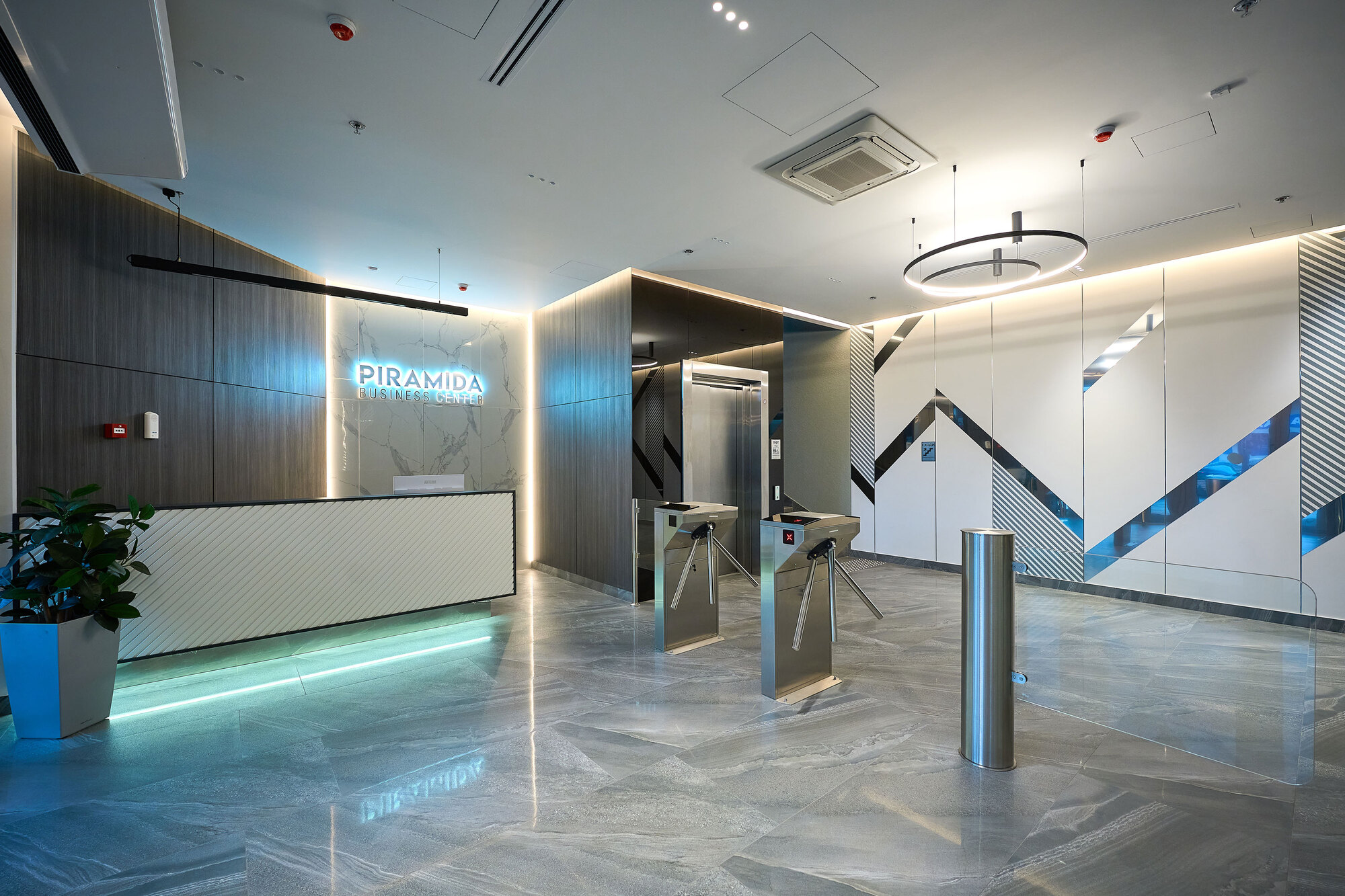
Investment company Dragon Capital has completed the reconstruction of the Piramida shopping and entertainment center on Kyiv's left bank and put the facility into operation as a business center. The project lasted six years — part of which took place during the full-scale invasion.
Piramida was one of the first large shopping centers on the left bank of Kyiv. Dragon Capital acquired the facility and began reconstruction before 2022, but the full-scale war significantly complicated the construction process: supply chain disruptions, power outages, and contractor relocation.
Focus on offices rather than retail
It is noteworthy that the company reformatted the facility from a retail center into an office building. This reflects actual market demand: after 2022, a significant portion of international companies remaining in or entering Ukraine have been seeking modern office space with autonomous power supply and shelters. The retail segment, meanwhile, continues to recover unevenly — especially against the backdrop of declining purchasing power and population migration.
Dragon Capital is one of the few major commercial real estate players that continued actively investing in Ukraine during the war. The company manages a portfolio of office and logistics facilities, and bringing Piramida into operation is a signal not only to the real estate market but also to potential foreign investors who are watching whether there is business activity in the country beyond government reconstruction programs.
Left bank as an indicator
Kyiv's left bank is a specific market. It is densely populated but has traditionally lagged the right bank in business concentration. The appearance of a quality business center here is also a bet on decentralizing business activity within the city, which has additional logic in wartime: dispersal reduces risks from targeted strikes on the business district.
However, the real test for the facility is not its commissioning but its occupancy. Kyiv's office real estate market is currently in a state of uncertainty: there is demand, but it is sensitive to security conditions and exchange rate fluctuations.
If Dragon Capital manages to fill Piramida with tenants within a year, this will be a real argument for other investors who are still holding funds in wait-and-see mode. If not, the question will arise of whether the company got ahead of demand that has not yet formed.



