Russian drones struck Kernel grain elevator in Khmelnytsky region: grain storage facilities damaged
Another strike on agricultural infrastructure: Russian drones destroyed containers and grain storage facilities of one of Ukraine's largest agricultural holdings.

By Tetiana Suchkova-Ladik
May 19, 2026 · 1 min read
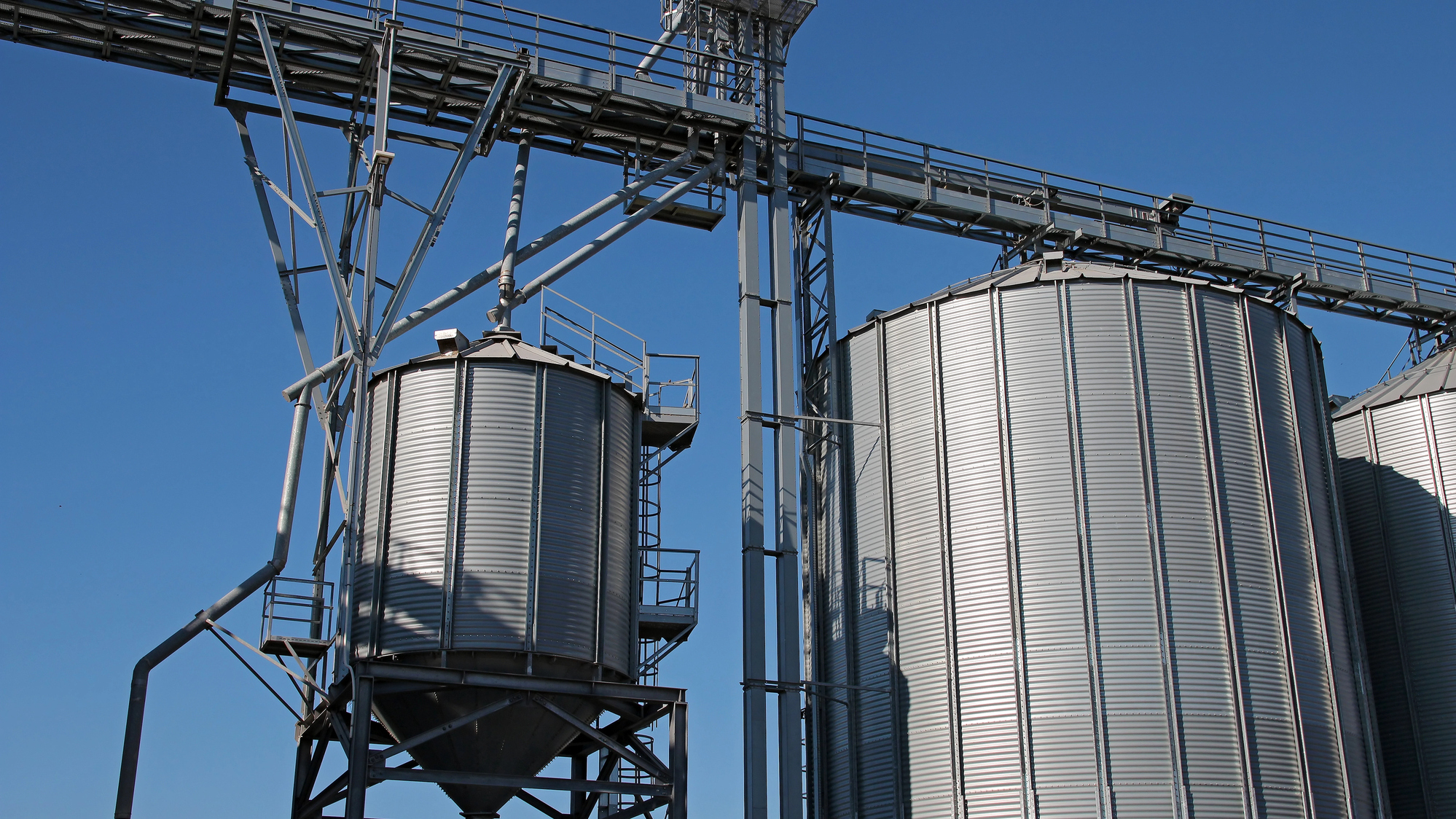
Russian drones struck a grain elevator belonging to Kernel company in Khmelnytsky region. The attack damaged containers and storage facilities for grain, the company reported.
Kernel is one of the world's largest producers and exporters of sunflower oil and a key player in the Ukrainian agricultural market. An attack on its infrastructure is not merely local damage: each destroyed elevator removes a link from the chain that leads from the field to the global food market.
Russia has been systematically attacking Ukraine's agricultural infrastructure since 2022. According to the Ministry of Agrarian Policy, during this time hundreds of elevators, grain storage facilities, and processing capacities across the country have been damaged or destroyed. Khmelnytsky region is relatively far from the front lines, but has now repeatedly become a target of strikes on strategic facilities.
The company has not yet disclosed the extent of damage and precise losses. It is also unknown whether the containers held grain at the time of the strike and what quantity could have been affected.
Attacks on elevators are strikes with delayed effects: grain that cannot be stored must either be sold prematurely at lower prices or lost entirely. For agricultural producers, this means a direct reduction in foreign currency earnings, which Ukraine critically needs to finance its own defense.
The question that remains open is: if strikes on agricultural infrastructure deep in the rear are becoming regular rather than isolated incidents, does the state have a systematic response that goes beyond documenting damage?



