Russian drones strike oil and gas facility in Poltava region — fire and additional damage
Naftogaz reports a fire after a nighttime strike by attack drones. This is part of a series of strikes undermining Ukraine’s energy resilience — we examine what is known and why it matters.

By Tetiana Suchkova-Ladik
February 20, 2026 · 1 min read
What happened
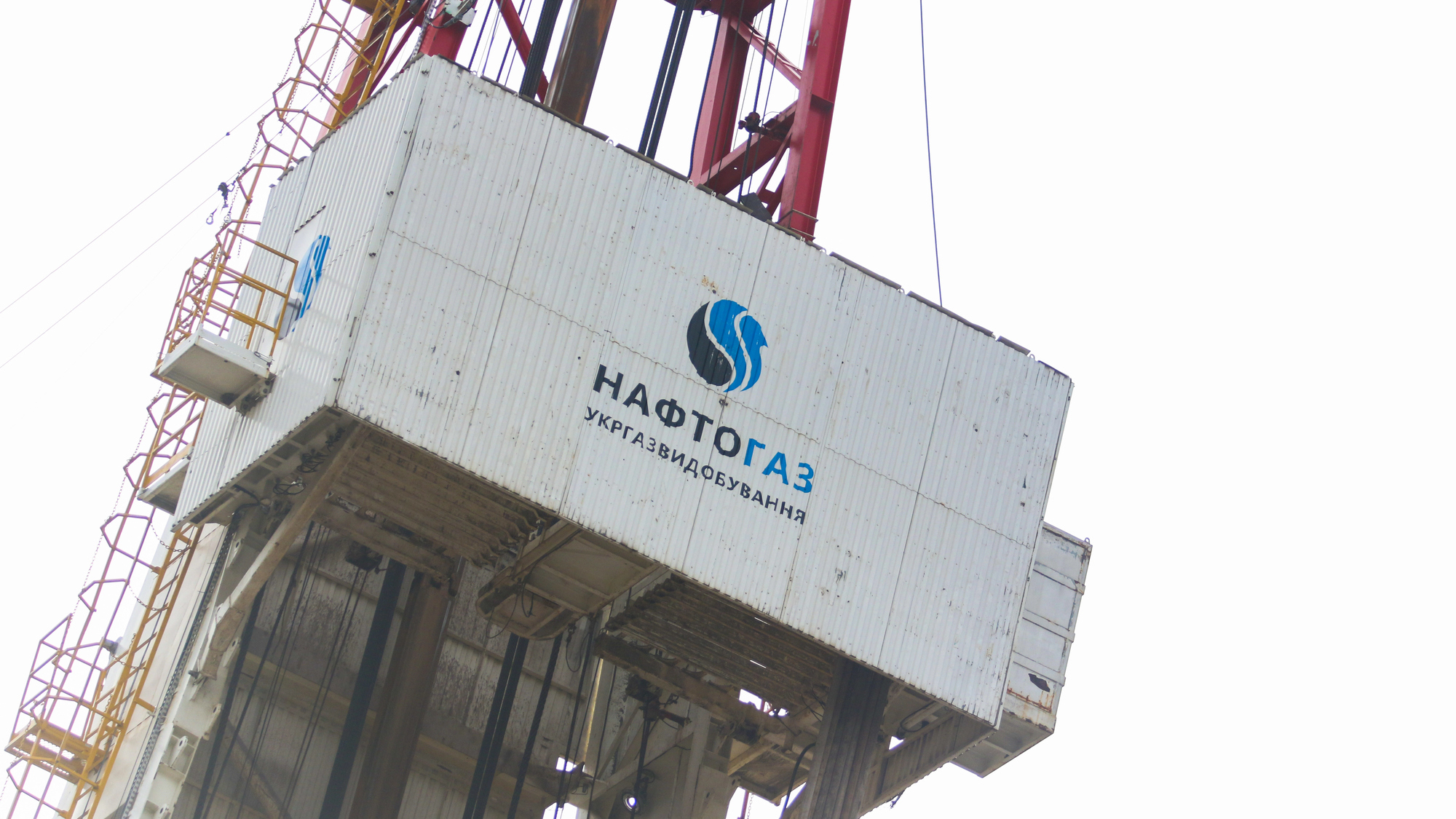
In Poltava region, Russian strike drones attacked oil and gas infrastructure. According to the head of the board of NAK "Naftogaz of Ukraine", Serhiy Koretsky, the facility has sustained damage, a fire is ongoing and equipment has been damaged.
"As a result of the attack, damage has been recorded, a fire is ongoing at the site. This is yet another deliberate strike against our oil and gas infrastructure."
— Serhiy Koretsky, head of the board of NAK "Naftogaz of Ukraine"
Timeline of recent strikes
According to company management, since the beginning of the year there have been more than 20 attacks on Naftogaz facilities. Among the most recent incidents — the night of February 9: strikes on facilities in Sumy and Poltava regions with equipment damage; the night of February 8 — similar damage to assets in Poltava region; January 27 — an attack on a facility in western Ukraine followed by a fire.
Why it matters
These strikes have several consequences: direct destruction of equipment, risks to personnel safety, potential supply disruptions and additional strain on infrastructure recovery. Energy analysts note that systematic attacks on critical facilities are a pressure tool that affects not only companies but also the country's energy resilience.
What’s next
Priorities now are containing and extinguishing the fire, assessing the scale of the damage and accelerating the restoration of damaged capacities. At the same time, anti-drone measures and protection of critical infrastructure need to be strengthened to minimize repeat strikes and preserve supply stability.



