Two Years Without Work, Additional Agreement Instead of Termination: How LOVA Retained 562 Million Hryvnia Contract with Shlyakhovyk-T
A contractor failed to perform work since 2024, but instead of having the contract terminated, received another year of deferment—until the prosecutor's office intervened in the matter.

By Tetiana Suchkova-Ladik
May 7, 2026 · 2 min read
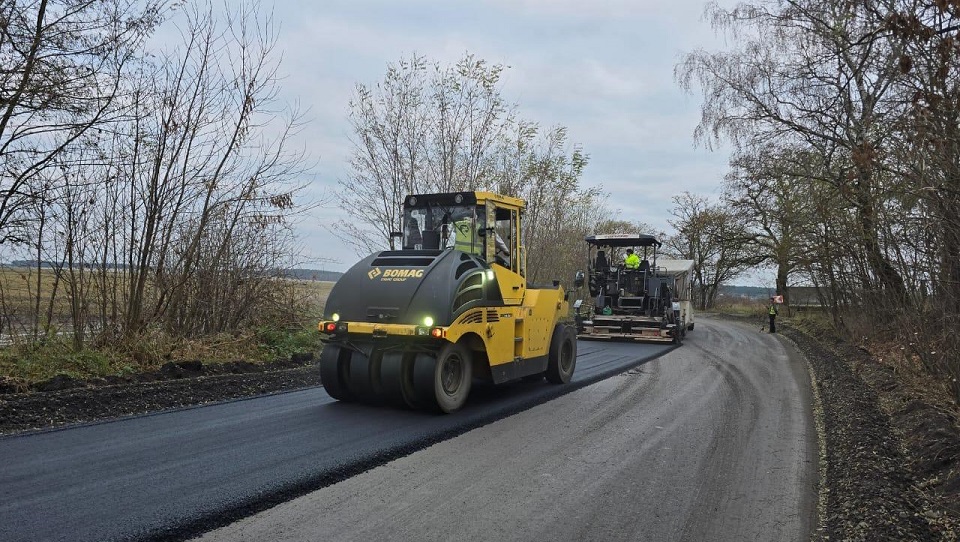
For two years, the road management department of Lviv Regional State Administration kept a contract worth 562 million hryvnias active, under which work was not actually being performed. When the court finally terminated the agreement — the initiative came not from the customer, but from the prosecutor's office.
What happened with the contract
In November 2023, the department concluded a contract with LLC "Shliakhovyk-T" for current repairs of the local road Drozdovychi – Mizhynets – Biskovychy in Sambir district. According to the Lviv Regional Prosecutor's Office, actual work was carried out only in 2023. During 2024–2026 — no services, no budget funding.
Nevertheless, in December 2025, the parties signed an additional agreement that postponed the fulfillment of obligations by another year. That is, instead of initiating a reduction in scope or contract termination, the department effectively extended its validity.
"Work was actually performed only in 2023, while during 2024–2026 services were not provided. Despite the absence of work performed and budget funding, the Lviv Regional Administration department did not initiate a reduction in scope or contract termination."
— Lviv Regional Prosecutor's Office
Who is "Shliakhovyk-T"
LLC "Shliakhovyk-T" was registered in February 2019 in Terebovlia, Ternopil region, and was later re-registered to Lviv. The first owner was Armenian citizen Sirak Mnatsakan – whose address in the documents matches the addresses of relatives of the owner of MPP "Nara". It was "Nara" together with "SHRBU №88" that were fined by the AMCU in 2020 for bid-rigging. According to YouControl, since early 2020, "Shliakhovyk-T" has received government contracts worth almost 1.62 billion hryvnias from only the Lviv Regional Administration — and the total cost of one of the later road maintenance contracts for Lviv region reached 3.2 billion hryvnias.
How the case reached court
In January 2026, the prosecutor's office filed a lawsuit with the Commercial Court of Lviv region to declare the additional agreement from December 2025 invalid. On April 28, 2026, the court satisfied the requirements: the additional agreement was declared invalid, the contract — terminated. This was officially announced on May 6, 2026.
- Contract concluded: November 2023
- Work performed: only in 2023
- Additional agreement on postponement: December 2025
- Prosecutor's lawsuit: January 2026
- Court decision on termination: April 28, 2026
Where is the accountability mechanism
The court terminated the contract and declared the additional agreement invalid — but this is a civil law consequence, not a criminal one. The question remains open: will any of the department officials be held responsible for the fact that for two years they did not initiate termination of an obviously non-performing contract, but instead signed a new postponement?
If the prosecutor's office limits itself to just a commercial lawsuit — this case will become yet another confirmation that in the road sector of Lviv region, declarations about control and the actual accountability mechanism are different things.



