Two COSCO vessels refused to transit the Strait of Hormuz — what it means for trade and the energy market
The first transit of large container ships since the escalation began did not take place — a sign that guaranteeing the safety of shipping in the Persian Gulf is currently impossible. We examine why this matters and what the consequences are for global supply chains.

By Tetiana Suchkova-Ladik
March 28, 2026 · 2 min read
What happened
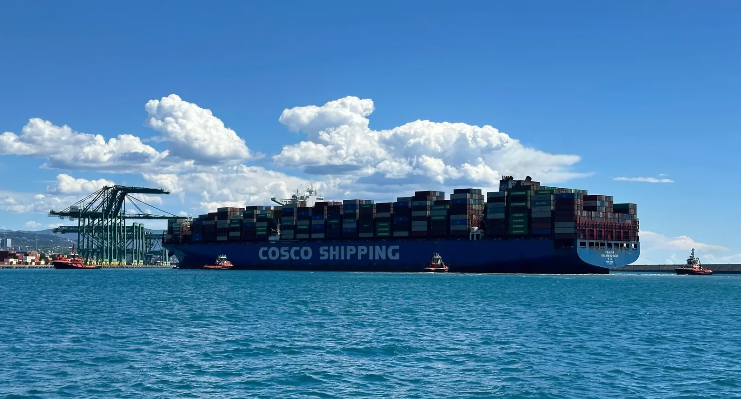
According to the vessel-tracking service MarineTraffic, two large COSCO container ships — CSCL Indian Ocean and CSCL Arctic Ocean — turned around on Friday and did not transit the Strait of Hormuz. The vessels sail under the flag of Hong Kong and serve the route between the Middle East and the Far East. This is the first recorded attempt by a major container carrier to transit the strait since the start of the current escalation.
Why the ships turned back
There are few official comments from COSCO about the reasons for the turnarounds, but media sources and analysts link it to the inability to guarantee safe passage after a series of airstrikes and missile/drone strikes in the region. Several outlets — including Nikkei Asia and Caixin — report that COSCO temporarily suspended bookings for sailings in the region and is currently planning to carry some cargoes to ports east of the Strait of Hormuz with onward overland delivery.
"We haven't seen container ships leave the gulf since the start of the conflict. There have only been a few attempts"
— Rebecca Gerdes, MarineTraffic data analyst
What experts and the data say
Analysts point to several key points: first, safety is a factor that directly affects decisions by carriers and insurers; second, even a partial blockade of the strait alters supply routes and raises operating costs.
The International Energy Agency (IEA) estimated in 2025 that about 20 million barrels of oil per day passed through the Strait of Hormuz on average — roughly 25% of the world's seaborne oil exports. Restrictions on tanker movements push oil prices higher and increase logistical risks for global trade.
Implications for markets and why this matters for Ukraine
For readers tracking economic stability and geopolitical support for Ukraine, this has several practical consequences. Rising energy prices and disruptions in supply chains complicate the economic situation in Europe and globally — and therefore affect the financial capacity of partners who support our defense. In addition, changes in transport routes undermine the predictability of supplies of critical materials and components.
What comes next
While COSCO avoids the Hormuz passage, carriers will seek alternatives: diverting cargoes to other ports, combined "sea+land" routes, and increasing shipments under the flags of countries that continue operations in the region. This will raise delivery costs and transit times.
Questions remain: can states guarantee the security of key sea lanes without escalating the conflict, and how long can the market absorb the additional costs. Answers to these questions will determine the pace and quality of the recovery of normal trade.
Sources: MarineTraffic, Nikkei Asia, Caixin, IEA; column by Oleh Sarkits on LIGA.net (analytical context on market impact).



