Wake-up call for the media: Trump files $10bn lawsuit against the BBC
Accusing the BBC of manipulating the editing of a 2021 speech, Trump is seeking $10 billion — a case that puts trust in Western media on the line and will affect the information arena that is also important for Ukraine.

By Tetiana Suchkova-Ladik
December 16, 2025 · 2 min read
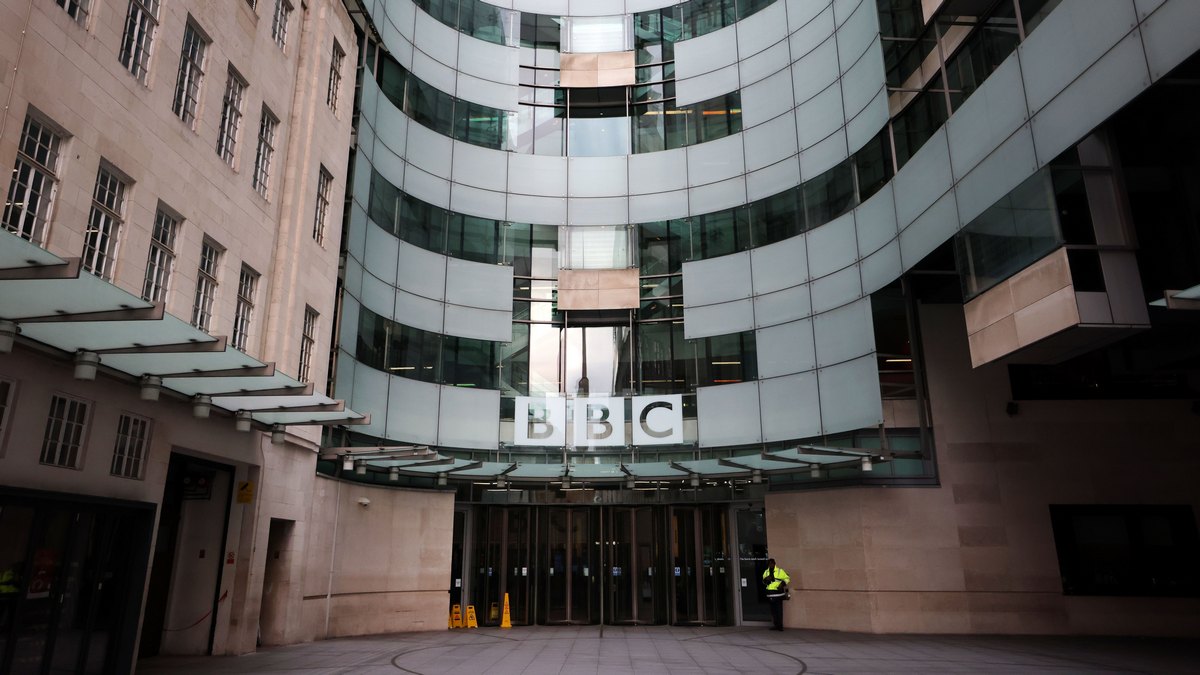
More is being decided behind closed doors than in press releases. The dispute between the head of the White House and the British corporation is turning into a test for media trust in a world where manipulations affect politics and security. Western analysts call this case a "historic moment" for journalistic standards.
What happened
President Donald Trump filed a lawsuit in the U.S. District Court for the Southern District of Florida against the BBC, alleging that the documentary "Trump: A Second Chance?", which was released on October 28, 2024, used a "false, misleading and defamatory" edit of his remarks before the January 6, 2021, storming of the Capitol. The suit seeks $10 billion: $5 billion for defamation and $5 billion for fraud, arguing direct damage to his brand and business interests.
"I think we're going to walk down to the Capitol and support our brave senators and congressmen and congresswomen... I know that everyone here will soon march to the Capitol building to peacefully and patriotically make their voices heard"
– Donald Trump, President of the United States
The complaint stresses that certain phrases, in particular "And we will fight. We will fight with all our might," were taken out of context and edited to create the impression of a call to violence.
Media and market reaction
When Trump's lawyers warned of an intent to sue, the BBC issued an apology — but refused to admit that it had committed defamation. Shortly after the wave of criticism on November 9, the corporation's chief executive Tim Davie and BBC News director Deborah Turness resigned. The world was shocked by how quickly a question of editorial ethics turned into a crisis of trust.
Why it matters
Insiders and experts say this lawsuit could set a precedent for how courts treat edits, context and the responsibility of large media organizations. For countries facing information attacks — including our Ukraine — this is not an abstract case: media manipulations directly affect allied support, political decisions and security.
Everyone is asking whether this process will change the rules of the game for journalism in the West, protect the public from fakes, or become a tool of political pressure. Western analysts warn that the consequences could be long-term.
What will happen next
The lawsuit begins in the U.S., and the court's decision will be shaped by both legal arguments and public opinion. This is a case that media-market insiders, politicians and human-rights advocates will watch closely. For those fighting for truth in the information space, it is a signal: the battle for realistic and honest coverage continues.
The outcome of this story could redraw the boundaries of large corporations' responsibility to society and create new rules of the game — in the press, in politics and on the information fronts, which is important for our common home and security.