Former Westinghouse CEO and French diplomat resign from Energoatom board over three months of unpaid salary
Patrick Fragman and Brice Buyuon, two of four foreign independent members of the new supervisory board, have resigned. The international experts appointed by the Cabinet after the "Midasgate" corruption scandal were simply not paid by the state.

By Tetiana Suchkova-Ladik
May 14, 2026 · 2 min read
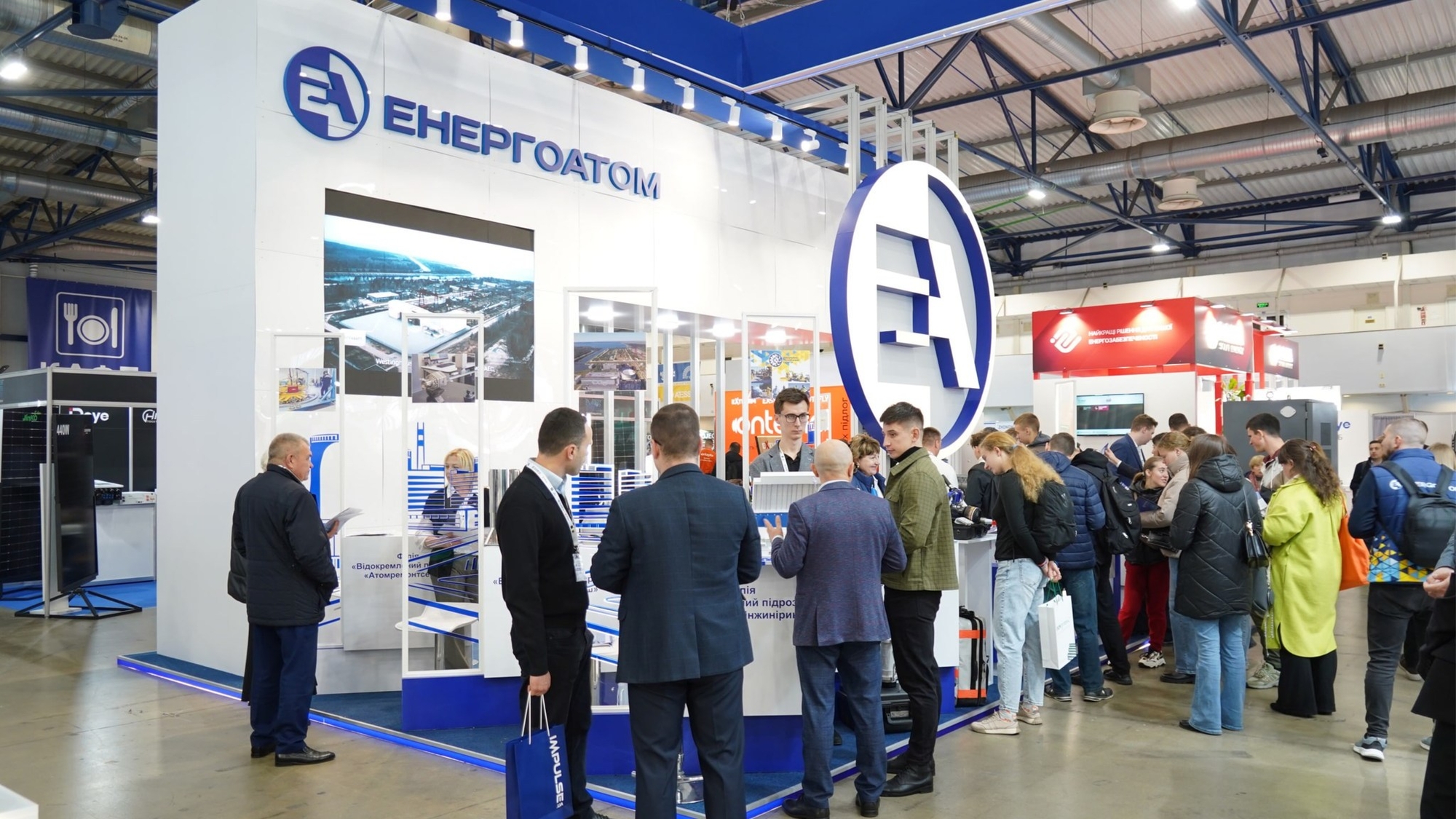
Two foreign members of Energoatom's supervisory board have resigned. National Deputy Yaroslav Zheleznyak from the "Holos" party reported this on Telegram, citing a specific reason: Patrick Fragman and Brice Buyuon were not paid salary for three months.
Who left — and why this is not a minor issue
Fragman is not an ordinary consultant. Former President and CEO of Westinghouse Electric Company — the world's largest nuclear technology company. Westinghouse supplies fuel for Ukrainian nuclear power plants and will build new AP1000 reactors in Ukraine. Buyuon is a French diplomat and strategic management expert. Both joined the board, which the Cabinet of Ministers formed on January 28, 2026, following a major corruption scandal involving a former Zelensky associate.
"Two new foreign members of Energoatom's supervisory board have submitted resignation letters… Including because they were not paid salary for three months"
— Yaroslav Zheleznyak, National Deputy ("Holos"), Telegram
Context: the board existed for less than two months
The new supervisory board was appointed after NABU and SAP conducted Operation "Midas" in November 2025 — and uncovered a criminal organization linked to the resale of Energoatom's electricity. The old board's term ended on August 20, 2025, while the new board — consisting of seven members, four of whom are foreigners — held its first meeting only on February 26, 2026.
At that meeting, Fragman was elected vice-chair of the board. According to Interfax Ukraine, the board approved new committees — on security and strategic planning. And shortly after — resignation letters.
- Rumina Velshi (Canada) — former head of nuclear regulator, board chair
- Patrick Fragman (Belgium/USA) — ex-CEO of Westinghouse, vice-chair — resigning
- Laura Garbenchute-Bakiene (Lithuania) — financial expert
- Brice Buyuon (France) — diplomat, strategic management — resigning
What this means for Energoatom
Energoatom generates approximately half of Ukraine's electricity. One of the key tasks of the new board was to prepare the company for attracting a strategic investor — this was publicly stated by the Ministry of Energy. The resignation of two members — especially Fragman with his direct connections to Westinghouse — complicates this track and sends a signal to potential partners about the level of institutional reliability.
A state that attracted top international experts with prominent public relations was unable to pay them salary for three months — that is, the entire period from their appointment to the board's first meeting.
If the government does not confirm a payment mechanism and does not retain the remaining independent members, the next question will be direct: will the supervisory board without Fragman be able to conduct a competition for a new Energoatom CEO — a process the board has just declared a priority?



