Oil Exports via the CPC Terminal in Novorossiysk Resume
Despite the destruction of one of the three offshore berths, shipments through the Caspian Pipeline Consortium (CPC) terminal in Novorossiysk continued via another berth; expert assessments indicate a reduction in deliveries, and Kazakhstan lodged a diplomatic protest.

By Oleg Bazylewicz
December 1, 2025 · 1 min read
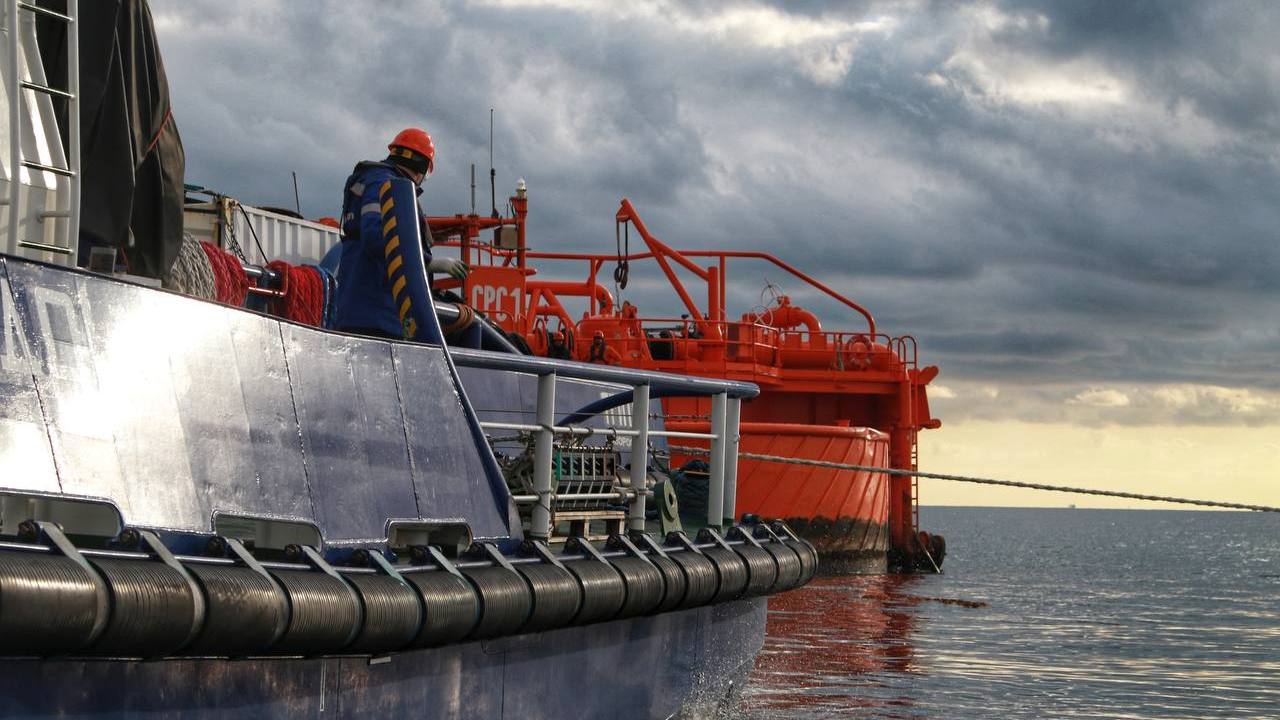
Oil exports through the Caspian Pipeline Consortium (CPC) terminal in Novorossiysk continued despite the destruction of one of its offshore berths, Chevron, a CPC shareholder, said.
Terminal operations
The CPC pumps oil from fields in western Kazakhstan — Tengiz, Kashagan and Karachaganak — as well as from Russian fields on the Caspian shelf. One of the offshore berths, VPU-2, was destroyed by a drone boat, prompting its shutdown.
After the loss of VPU-2 operations were partially restored: loading resumed using VPU-1.
Impact on exports
The terminal normally operates two offshore berths, with a third held as a reserve. VPU-3 has been under repair since 12 November, which may last up to two months.
Analyst firm Energy Aspects recorded that exports via the CPC have roughly halved; the report also notes that satellite images show a vessel moored at VPU-1.
Kazakhstan's reaction
On 30 November the Ministry of Foreign Affairs of Kazakhstan lodged a protest over the attack on the CPC terminal, calling the incident damage to bilateral relations between Kazakhstan and Ukraine.
"An act that harms the bilateral relations of the Republic of Kazakhstan and Ukraine"
– Ministry of Foreign Affairs of Kazakhstan
In response, a spokesperson for the Ukrainian Foreign Ministry said Kyiv had taken the partner's concerns into account.
"Has taken note of the concern"
– Foreign Ministry spokesman
- On the night of 29 November, drones struck another oil facility in Russia's Krasnodar Krai — the Afipsky refinery.
- On 28 November two tankers of the "shadow fleet" — Kairos and Virat — caught fire in the Black Sea.



