Electric transport returns to the Left Bank: What it means for Kyiv residents
After nearly a two-month hiatus, trams and trolleybuses have resumed service — not only a convenience for passengers, but also a sign that the city's power system is stabilizing.

By Tetiana Suchkova-Ladik
March 3, 2026 · 2 min read
Briefly
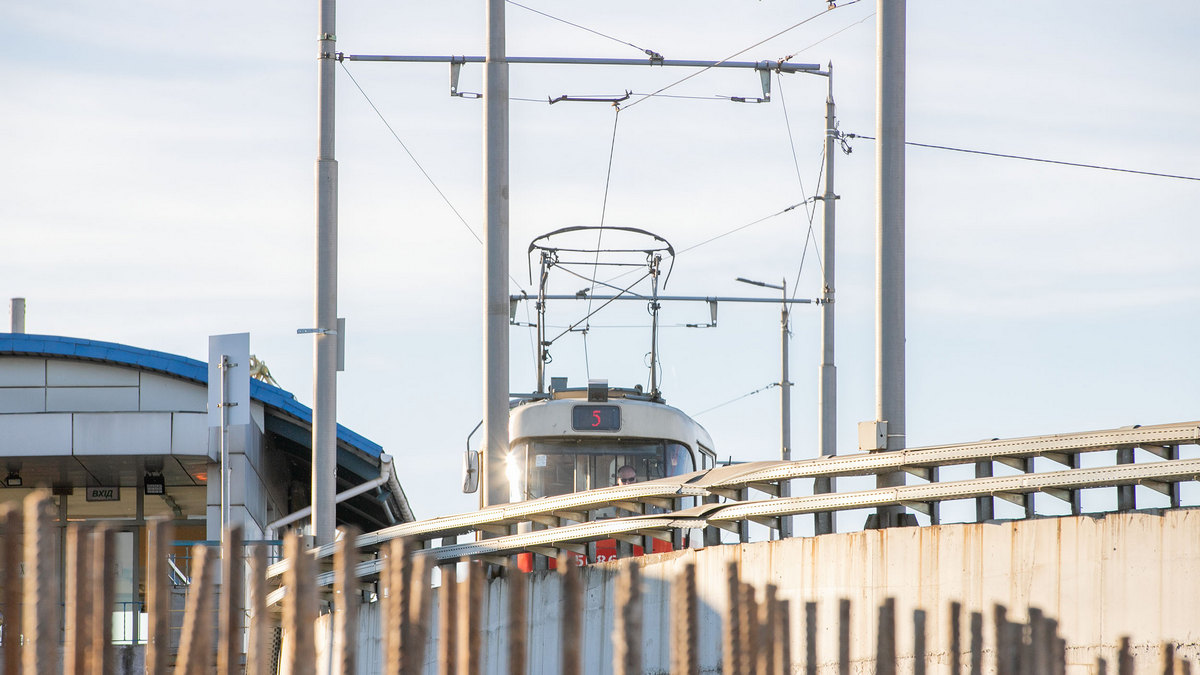
On 3 March, trams and trolleybuses resumed service on the left bank of Kyiv after almost two months of suspension. According to the press service of the Kyiv City State Administration, the cause was an improved situation in the energy system, which allows for the gradual restoration of electric transport and routes that connect both banks.
What exactly was launched
Trams: 4, 5, 22, 23, 27, 28, 29, 32, 33, 35.
Trolleybuses: 29, 30, 31, 37 (with changes), 43, 47, 50, 50‑K.
On the first day, replacement buses will still operate on these lines; if there are no new damages to the energy infrastructure, from 4 March the electric transport will switch to its usual schedule and the replacement buses will be withdrawn.
“Due to the improvement in the energy system, the municipal enterprise 'Kyivpastrans' is beginning a gradual restoration of electric transport on the left bank of the capital and of routes that connect both banks of the city.”
— Press service of the Kyiv City State Administration
Context and significance
Electric transport on the left bank stopped running on 10 January after one of the massive Russian strikes; on 13 January, following further strikes, electric transport on the right bank also stopped — its operation was restored on 26 February. The return of trams and trolleybuses to the left bank is not only a convenience for passengers: it reduces the load on buses, improves access to work and medical services, and lowers logistical costs for businesses and the city.
What’s next
According to official information, the return to the regular schedule is possible provided there are no new damages to the energy infrastructure. Actual stability depends on the protection of power lines and the prompt work of repair crews. This return is a sign of temporary stabilization, but not a guarantee until the infrastructure is reliably protected.
The question for next week: will it be possible to consolidate this stabilization for months ahead — and what will the city and state infrastructure protection systems need to do to achieve that?



