Energy companies launch training project at five universities — a step to address the personnel shortage
Leading energy market operators have joined forces to train engineers and managers for the industry's real-world challenges — from grid resilience to the electricity market.

By Tetiana Suchkova-Ladik
January 7, 2026 · 1 min read
About the initiative
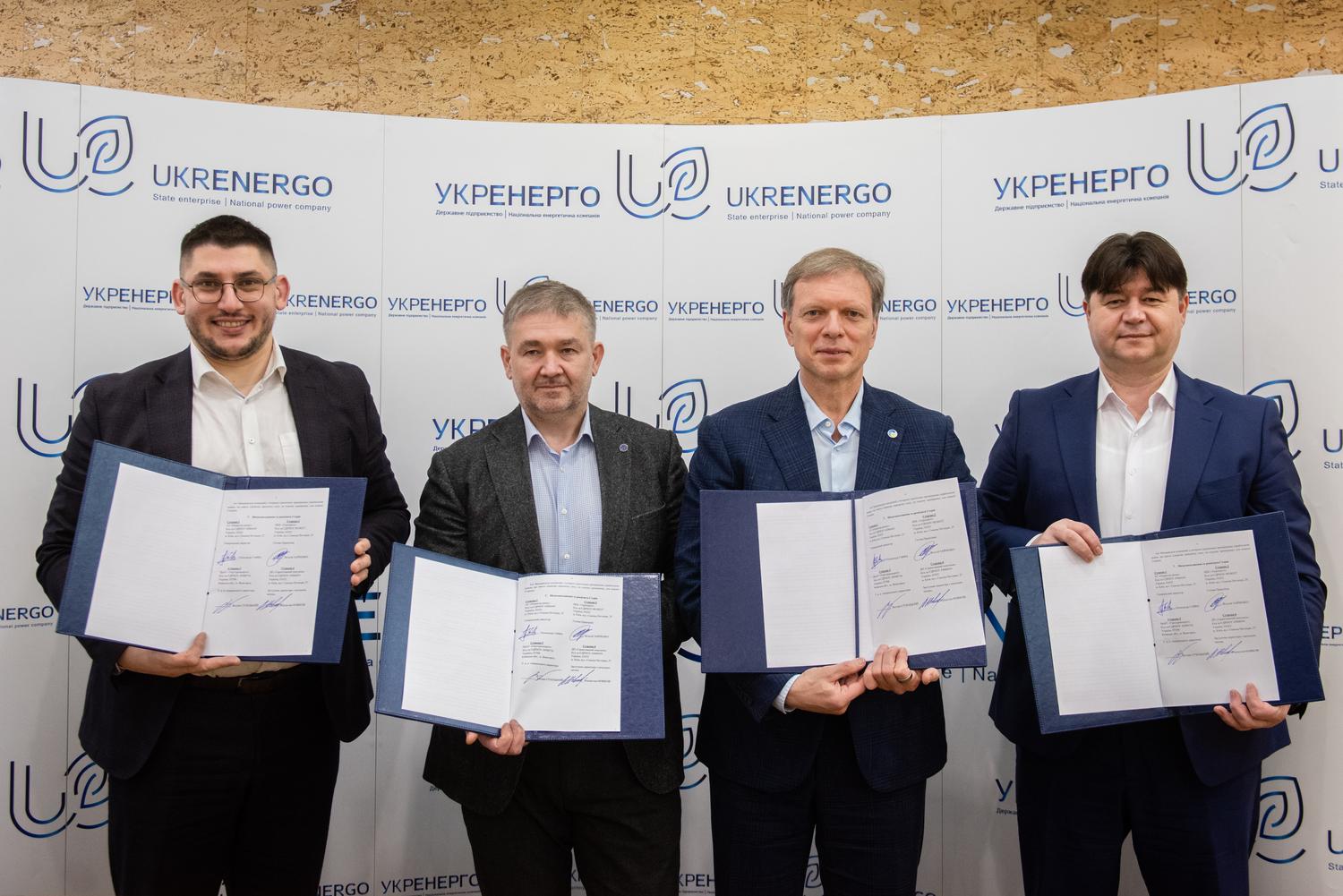
JSC "Market Operator", PJSC "Ukrhydroenergo", NEC "Ukrenergo" and SE "Guaranteed Buyer" announced a joint educational project on energy management. The launch is planned at five universities in Ukraine with the possibility of expanding cooperation to other higher education institutions. The announcement was issued by the press service of JSC "Market Operator".
What students and the market will get
The program combines lectures, internships and practical projects that reflect the real needs of the energy sector. Students gain access to on-site internships at enterprises, participation in research, and the opportunity for faster integration into the labor market. For companies, this is a way to form a prepared talent pool and reduce the time needed to adapt new specialists.
Where the programs will start
- National University "Lviv Polytechnic"
- National Technical University of Ukraine "Igor Sikorsky Kyiv Polytechnic Institute"
- Kyiv National Economic University named after Vadym Hetman
- Vinnytsia National Technical University
- National University of Water and Environmental Engineering
Context: why this matters now
At the end of 2024 the labor market recorded a significant shortage of personnel in technical fields, which pushed up wages and complicated the restoration of sectoral competencies. In such a situation, long-term investments in education are not charity but a strategy that reduces risks to energy security and economic stability.
"We are open to cooperation with other higher education institutions in Ukraine that share our mission — to form a professional generation capable of ensuring a stable, safe and innovative energy sector of the future."
— Press service of JSC "Market Operator"
What’s next
The initiative has the potential to become a public-private model for training specialists for critical infrastructure. Market experts emphasize: it is important that the training programs are implemented quickly and with measurable results — the number of completed internships, employed graduates and implemented projects. This will allow turning the personnel shortage into a structural advantage for the restoration and modernization of Ukraine's power system.



