EPL9T-011 back on the rails: modernized electric train to run in the Kyiv metropolitan area
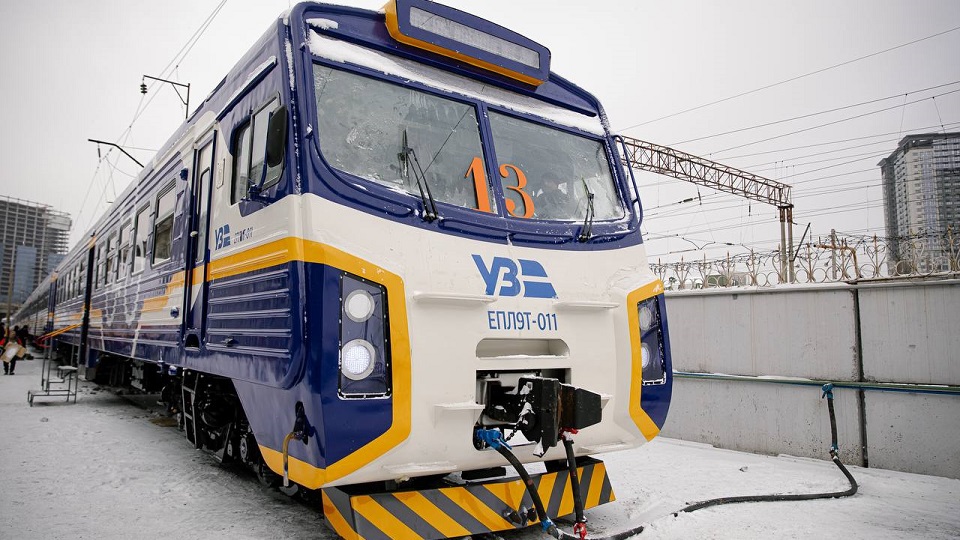
On the eve of the New Year, Ukrzaliznytsia returned EPL9T‑011 to service after a major overhaul — the 13th refurbished train in 2025. We explain why this is important for mobility, inclusivity, and the restoration of infrastructure following the strike on Fastiv.

By Tetiana Suchkova-Ladik
January 1, 2026 · 2 min read
What happened
Ukrzaliznytsia released from a major overhaul the electric train EPL9T‑011 on the eve of the New Year, the company's press service reported. It will become the 13th refurbished train in 2025 and will run in the Kyiv agglomeration — on routes toward Teteriv, Nizhyn and Hrebinka.
"KEVRZ workers transformed the electric train into a modern, convenient form of transport for everyone"
— Press service of Ukrzaliznytsia
Brief technical and historical facts
The train was manufactured by the Luhansk Locomotive-Building Plant in December 2004 as an eight-car set and, after delivery, operated in suburban service, assigned to depot RPCh‑8 in Fastiv. In 2024 it was still on the books of that depot, but prior to modernization at KEVRZ it was unfit for operation.
What was updated
During the overhaul the train received a number of practical upgrades: ramps and spaces for people with disabilities with Braille signage, areas for securing bicycles, baby changing tables in the end cars and tables with Type‑C and USB ports for charging gadgets. These changes make suburban trips more convenient for a wide range of passengers — from parents with children to people with reduced mobility.
"EPL9T‑011 — a legendary ride"
— @kyiv_urban_rail_2009_02, community of rail spotters
Context: recovery after attacks on infrastructure
Since the start of the full-scale invasion Ukrzaliznytsia has comprehensively modernized 49 electric trains. That is more than a number: every restored train is a restored opportunity for people to get to work, medical care, and education. For example, during the attack on Fastiv on the night of December 6, 2025, Russia destroyed the suburban train depot and 27 carriages; the Fastiv station was also damaged and, according to reports, is beyond repair. In this context, returning even a single train to service has both practical and symbolic weight.
What this means for passengers and for the state
For passengers — more accessible and more comfortable trips within the agglomeration. For the state — an indicator of industrial resilience: domestic repair capacities (KEVRZ) are able to restore rolling stock even when part of the infrastructure is destroyed. Experts and rail communities already note that such examples help maintain operational transport capacity and support the economic activity of the regions connected to the capital hub.
The task now is to maintain the pace of modernizations and ensure regular route maintenance so that these returns to the rails become a systemic response to infrastructure losses, not isolated symbols of recovery.



