EVA invests 1.3 billion hryvnia in expansion: 60 new stores despite war
Beauty and household goods retail network increases investments by 20% — a signal that major retailers are betting on domestic market resilience.

By Tetiana Suchkova-Ladik
April 7, 2026 · 1 min read
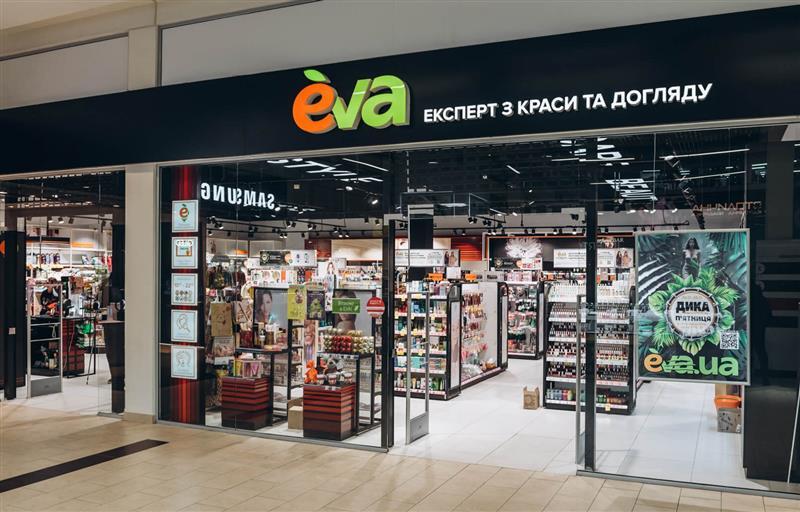
In a year when most businesses in Ukraine are holding reserves and waiting, EVA is doing the opposite. The retail network announced investments of 1.3 billion hryvnias for retail network development throughout 2026 — 20% more than in 2025.
The concrete plan: open 60 new stores across the country. This is not a scattered expansion — it is a systemic bet that the domestic consumer market will hold up and grow.
Why this is more than a corporate announcement
EVA is one of the largest non-food retail networks in Ukraine with over 1,000 sales points. When such a company increases capital expenditures during an active phase of war, it is an indicator: management sees demand that justifies the risk.
The consumer behavior of Ukrainians after 2022 is paradoxical: people continue to buy cosmetics, household goods, basic care products — even under conditions of uncertainty. This is exactly the segment that EVA serves. The resilience of demand for "small pleasures" in a crisis is a phenomenon that economists observe in all prolonged conflicts.
Investments without guarantees
One major question remains open: logistics and security. 60 new stores means renting premises, renovations, hiring staff in regions with different levels of stability. The company has not disclosed the geography of expansion: where exactly new locations will appear — in relatively safe western areas or also in front-line regions, where risks to personnel and property are qualitatively different.
A 20% increase in investments looks confident on paper. But the real test will not be the number of opened stores, but rather how many of them will reach operational breakeven under conditions that could be changed by a single air strike on regional infrastructure.
If EVA does disclose the geography of new locations — it will become clear whether this is truly a bet on the entire country or a cautious expansion to areas where risk is already factored into insurance policies.



