Painting Chambers from Vinnytsia Are Already Going for Export — How Smart Line Plant Started Up During the War
The first resident has started operations in the VinIndustry industrial park: Smart Line manufactures equipment for powder coating of metal and immediately enters foreign markets — with a capacity of 20 units per month.

By Tetiana Suchkova-Ladik
May 7, 2026 · 2 min read
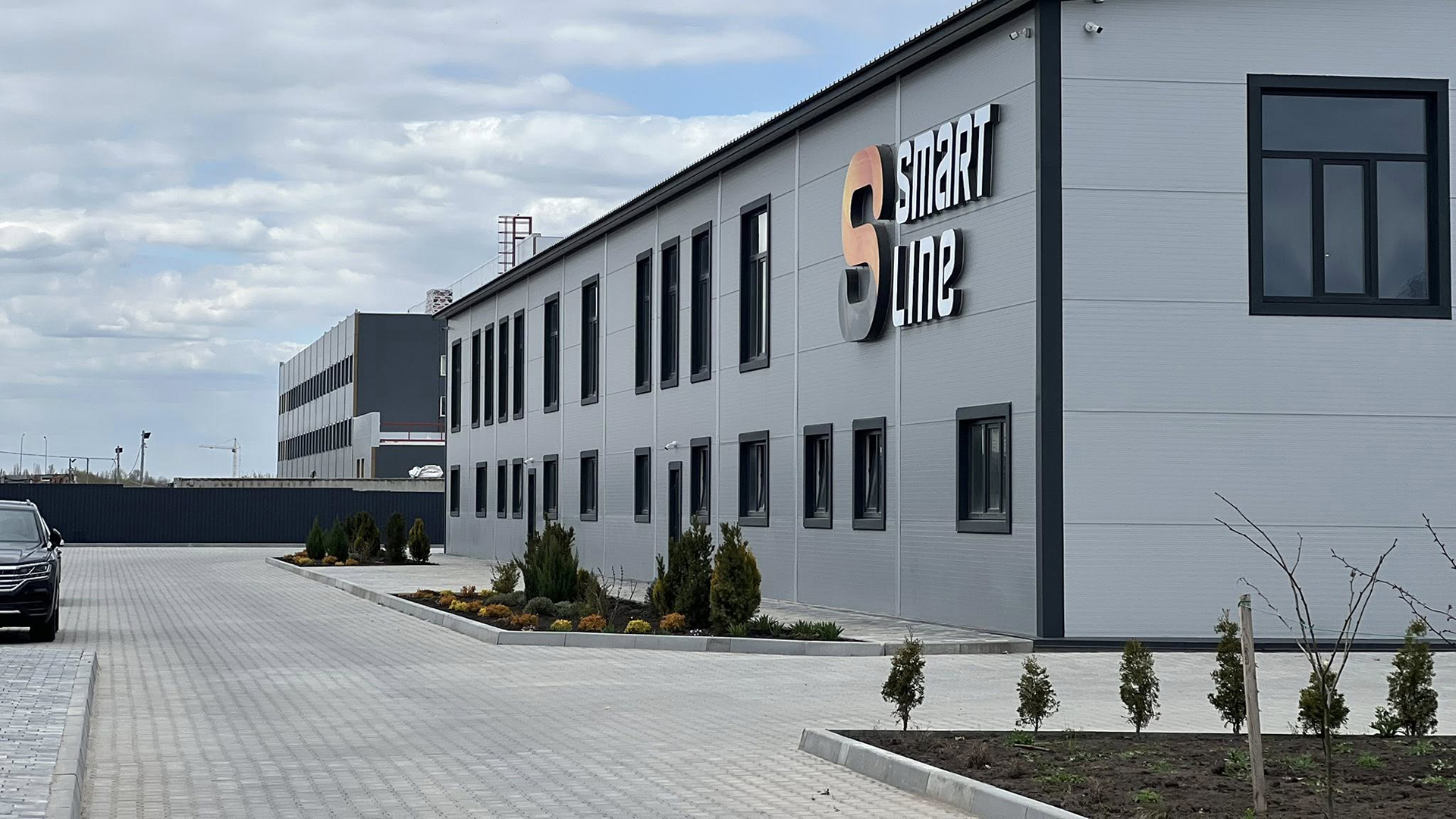
The Smart Line plant in Vinnytsia has shipped its first batch of products for export — even before completing the second phase of production. This is no minor detail: most Ukrainian industrial projects during wartime have so far stalled at the "launched" stage. Here they went further.
What exactly they produce and how much
Smart Line specializes in equipment for powder coating metal — primarily powder coating chambers for the metalworking industry. The company was founded in 2014, but only now received a fully-fledged plant.
The first phase occupies 2,800 sq. m in the VinIndustry park. The design capacity is 20 powder coating chambers per month. Investments in this stage amounted to 46 million hryvnias.
"The design capacity of the plant is 20 powder coating chambers per month"
— Dmytro Kysilevskyi, deputy chairman of the parliamentary committee on economic development
The second phase, covering 5,000 sq. m, is to be completed by the end of 2025 with production launch in 2026. Another 60 million hryvnias have been allocated for it. Combined — over 100 million in investments in a single enterprise in a single park.
Why this matters for VinIndustry
Smart Line is essentially the first VinIndustry resident to reach the stage of actual production. According to the Made in Ukraine report, the park attracted investments for the construction of two plants back in 2024, with launch planned for spring 2025 — and it happened.
In parallel, another major project was announced in Vinnytsia: Alterra Group is building the "Formation.Vinnytsia" park covering 175,000 sq. m for 50 companies and 3,500 jobs. This is a different scale and different money — but the very fact that the city is receiving a second and third industrial site during an active phase of war suggests a certain logic of relocating and decentralizing production from more vulnerable regions.
The market they are targeting
Powder coating chambers are not consumer goods. They are purchased by metalworking enterprises, metal furniture manufacturers, and auto component producers. Demand within Ukraine is currently constrained, so the focus on exports from the first batch is either an already existing customer base abroad, or a deliberate strategy not to depend on the domestic market while it recovers.
- First phase capacity: 20 chambers/month
- Area after two phases: ~7,800 sq. m
- Total investments: over 106 million hryvnias
- Status: first products already exported
If the second phase operates as planned in 2026 and Smart Line maintains its export direction — this will become one of few examples of new Ukrainian industrial production that has reached foreign markets during wartime. The question is different: does the company already have long-term contracts with foreign buyers now, or is the first batch a one-off trial shipment?



