Farsight Vision raises €7.2M — Ukrainian AI for reconnaissance bolsters frontlines and infrastructure defense
A Ukrainian defense startup has received investment from European investors. We explain why this is not only an investment in a company but also a strategic asset for operational reconnaissance and frontline logistics.

By Tetiana Suchkova-Ladik
February 12, 2026 · 2 min read
What the deal is and why it matters
Ukrainian defense startup Farsight Vision closed a round of €7.2M from European investors, the Ministry of Digital Transformation reports. This is not just a wave of venture interest — it’s an investment in tools already being used on the battlefield and that are changing units’ operational capabilities.
What the platform does
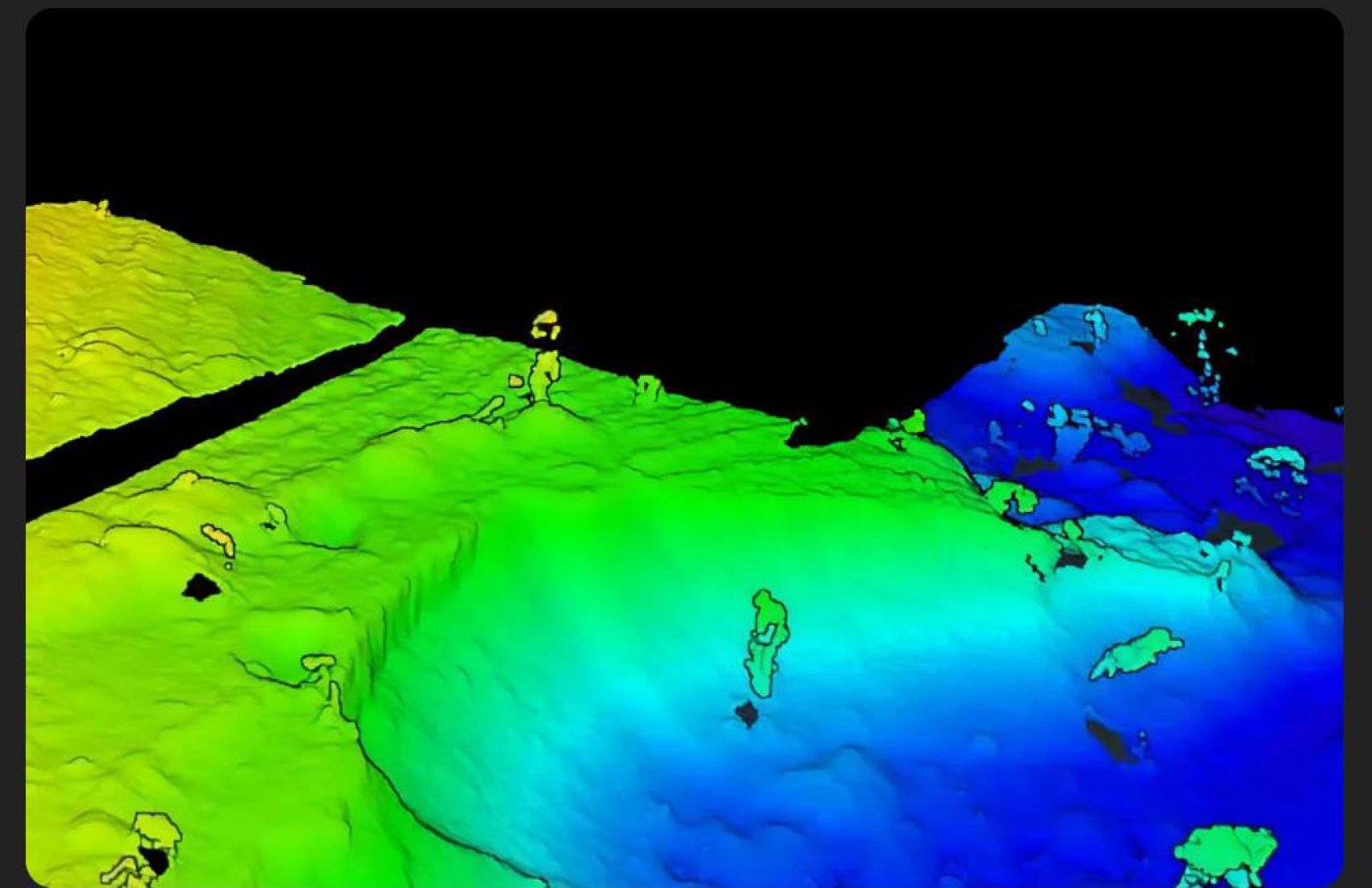
The Farsight Vision platform uses artificial intelligence to analyze terrain data and delivers a real-time view of the battlefield to UAV and ground-robot operators. According to the developers, it is effectively a more accessible and faster alternative to satellite reconnaissance — with lower latency and higher local accuracy.
Where the funds will go
The company plans to direct the investment toward developing robotic systems for logistics, navigation and weapons control. That means the technology has not only reconnaissance but also practical tactical applications — from safer ammunition delivery to improved fire coordination.
"The main goal is to protect the battlefield and critical infrastructure using artificial intelligence technologies."
— Farsight Vision (according to the Ministry of Digital Transformation)
Context: Brave1 and Dataroom
The funding was facilitated by the Brave1 platform, which helps Ukrainian defense startups enter international markets. This comes in the context of the launch of the Brave1 Dataroom — a secure environment for training AI models on combat data (the launch was announced on January 20). Such infrastructure makes Ukrainian solutions more attractive to Western investors and partners.
What it means for Ukraine
First, it’s a signal: European capital is willing to invest in practical defense technologies from Ukraine. Second, low-latency, locally adapted technologies can reduce dependence on satellite data streams and provide an edge in tactical reconnaissance. Analysts note that such solutions often deliver benefits not through a single "big victory," but through systemic improvements in logistics, responsiveness and protection of critical infrastructure.
Summary
This investment is less about PR and more about practice: faster solutions for units, new possibilities for integrating robotic systems, and another proof point for investors that Ukrainian defense developments work in the field. The question now for the state and the military is how quickly these technologies can be scaled and integrated where they deliver the greatest tactical benefit?



