Finnish intelligence: Russia likely to continue attacks on Baltic undersea infrastructure — risks to communications and regional security
The number of incidents in the Baltic Sea has increased since 2023. Why this matters for Ukraine and Europe, and how maritime security is changing — we examine this based on the annual review of Finnish intelligence and a Reuters report.

By Tetiana Suchkova-Ladik
January 22, 2026 · 2 min read
The big picture: quiet strikes on infrastructure
The annual review of Finnish intelligence, as interpreted by Reuters, draws a concise conclusion: Russia is likely to continue attempting to damage underwater infrastructure in the Baltic Sea. This is not just a regional problem — undersea cables and other installations provide critical connectivity for finance, governance and defense across the region, including countries supporting Ukraine.
What the Finnish intelligence reported
The main message of the report — the number of incidents related to underwater infrastructure has increased since 2023. The head of Finnish intelligence stressed that Moscow has the technical capability to damage such facilities, but the report does not present direct and convincing evidence of state involvement in the recent cases.
"Russia clearly has the capability to destroy underwater infrastructure if it wishes, but we have not found convincing evidence that Russia or another state actor is behind the recent incidents."
— Major General Pekka Turunen, head of Finnish intelligence
Evidence and uncertainty
The report records not only damaged cables but also a rise in suspicious events around exercises and land-based military sites — drones, people near positions, and so on. Analysts interpret this as a combination of heightened vigilance, a lower threshold for reporting and, at the same time, genuine intelligence collection.
"This phenomenon is most likely connected to increased vigilance and a lower threshold for reporting, but it also involves real intelligence collection related to national military defence."
— annual review of Finnish intelligence (quote)
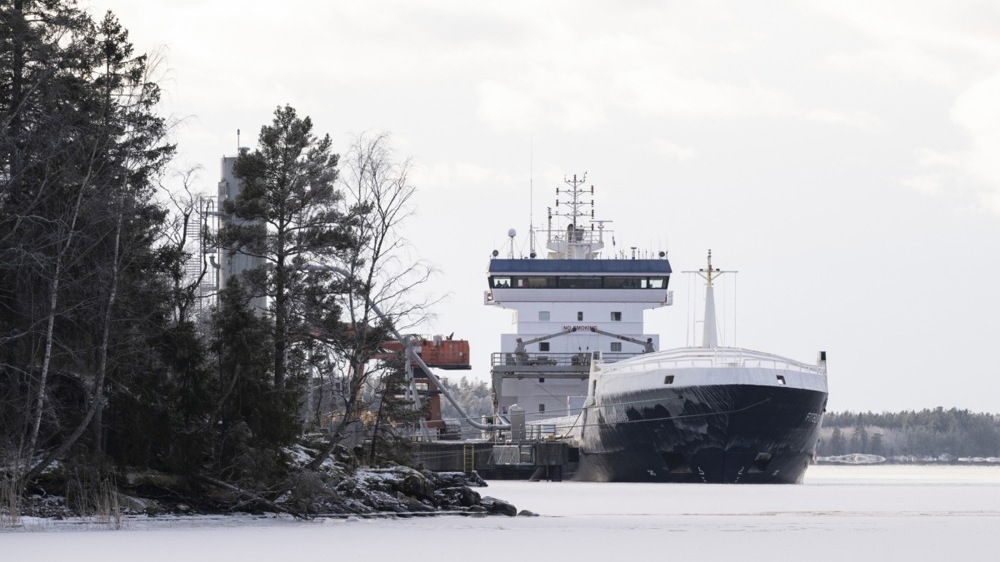
In connection with recent cases, Finnish police reported specific incidents: on 31 December 2025 a damaged telecom cable between Finland and Estonia was found in the Gulf of Finland — a vessel was detained that same day; on 2 January 2026 its crew were questioned, and on 12 January the vessel was released. Similar events were already recorded in 2024–2025, creating a consistent context, although direct state evidence remains limited.
What this means for Ukraine and partners
Undersea cables are not just about the internet: they are critical for interbank transactions, operational communications, coordination of aid and military operations. The increase in incidents in the Baltic has direct implications for the overall resilience of networks and maritime security in Europe. For Ukraine, this is another argument in favor of strengthening international cooperation on protecting critical infrastructure, monitoring maritime space and sharing intelligence.
Experts in the region point out that such actions fit asymmetric patterns of pressure: cheap, hard-to-attribute acts that undermine confidence in infrastructure and force the diversion of resources to protection.
What to do next
The response must be practical: strengthen maritime monitoring, ensure rapid incident response, adopt enhanced protection standards for cable networks and establish mechanisms for international investigation. While declarations of solidarity are important, the key question is whether partners will turn those declarations into tools to protect infrastructure.
Conclusion
The Finnish intelligence report paints a forecast that is not sudden: elevated activity and risks remain. While direct evidence of state involvement is often absent, the practice itself — damaged cables, drones near exercises, suspicious vessels — creates real threats to communications and security. The question is not only how to record such incidents, but how to neutralize and prevent them quickly — Europe and Ukraine need concrete technical and operational solutions, not just words.



