Fico vs Brussels: Slovakia challenges EU's refusal of Russian gas in court
Bratislava claims that the gas sector decarbonization plan is a hidden sanction against Moscow that requires unanimous approval. If the court agrees, it could paralyze the bloc's energy policy.

By Tetiana Suchkova-Ladik
April 18, 2026 · 1 min read
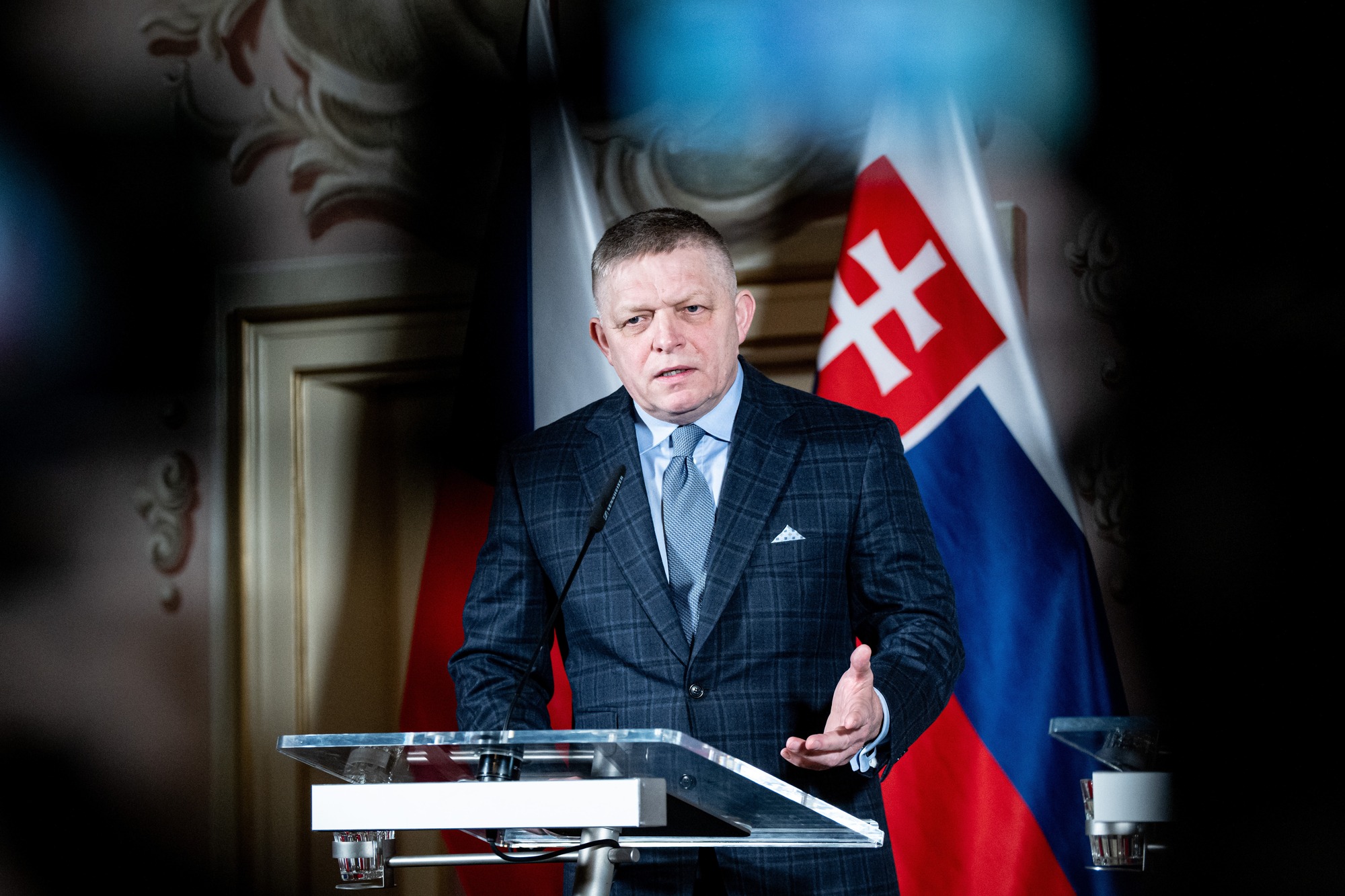
Slovakia's Prime Minister Robert Fico announced that his government will sue the Court of Justice of the European Union over the plan to abandon Russian gas. This is not Bratislava's first clash with Brussels over energy — but it is the first time the dispute is moving into the legal arena.
Fico's argument is specific: the EU decision is effectively a sanctions measure against Russia, as it directly damages Russian energy revenues. And according to EU treaties, sanctions require unanimous approval from all member states — which was not obtained in this case. Slovakia voted against it, its position was ignored, and now the government wants the court to declare the procedure illegitimate.
This is not purely legal sophistry. If the EU Court of Justice recognizes that such energy decisions should be classified as sanctions measures, it will change the rules of the game for the entire bloc: any state will gain effective veto power over steps aimed at third countries through trade mechanisms. Hungary is already watching developments closely.
Context is important: Slovakia is one of the few EU countries that still depends on Russian gas transit through Ukraine, a contract that ended in early 2025. Fico has repeatedly called the halt to transit a catastrophe for Slovakia's economy and demanded that Kyiv renew the agreement. Brussels, in response, insists that it is precisely the rejection of Russian gas that removes the vulnerability Moscow has manipulated for years.
The lawsuit has not yet been filed — Bratislava is clarifying its legal strategy. But the announcement itself is already creating pressure: the European Commission must now publicly defend the decision-making procedure, not just its content.
The question that will determine the outcome: will Slovakia be able to prove to the court that the intention of the decision is to punish Russia rather than protect EU energy security? The answer will determine whether this lawsuit becomes a precedent for dismantling the bloc's energy policy from within.



