Von der Leyen responded to Orbán: a return to Russian fuel would jeopardize the security of the EU and Ukraine
The European Commission insists: a short-term drop in prices is not worth long-term dependence on Russia — what this means for Ukraine's energy security.

By Tetiana Suchkova-Ladik
March 11, 2026 · 2 min read
What happened
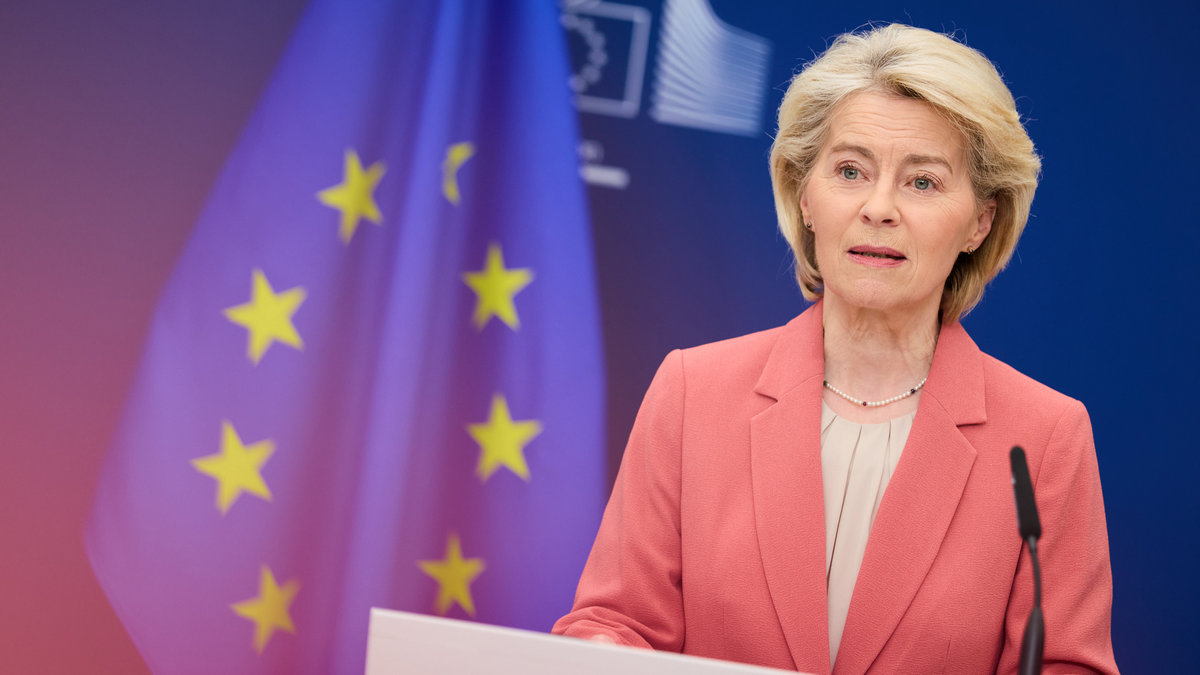
On March 11, at a plenary session of the European Parliament in Strasbourg, European Commission President Ursula von der Leyen openly rejected calls by Hungarian Prime Minister Viktor Orbán to temporarily lift sanctions on Russian energy after a spike in global prices linked to incidents in the Strait of Hormuz.
According to von der Leyen’s calculations, in the first 10 days of market shifts gas rose by 50% and oil by 27%, which has already added about €3 billion to European taxpayers’ bills for importing fossil fuels.
"This is the price of our dependence. We have our own sources of energy – renewable energy and nuclear energy. Their prices have remained unchanged over the past 10 days"
— Ursula von der Leyen, President of the European Commission
Orbán’s position and the geopolitical context
On March 9 Viktor Orbán called to put sanctions on Russian fuel on hold, citing the sharp rise in prices. The Hungarian government continues to maintain close energy ties with Russia; along with Slovakia, these countries not only preserved but increased supplies of Russian oil and gas after 24 February 2022.
Von der Leyen directly linked the current crisis to geopolitics: Iran, which provided support to Russia during the full-scale invasion of Ukraine, found itself at the center of a new escalation that hit energy markets.
"Some argue that we should abandon our long-term strategy and even return to Russian fossil fuels. That would be a strategic mistake"
— Ursula von der Leyen, President of the European Commission
Risks for Ukraine and the EU
A short-term decision to lift sanctions could provide relief in the fuel market, but it would also mean restoring a dependency that weakens the EU’s unified position in supporting Ukraine. For Ukrainians this is not only a question of fuel prices — it is a question of political support over the long run. According to LIGA.net, the price increases are being felt in Ukraine as well, and domestic political changes in neighboring countries could affect our security.
What next?
The European Commission’s decision is a bet on diversification and energy resilience, not on temporary relief. The question now is whether those EU partners that are more dependent on Russian supplies will withstand the pressure. For Ukraine this is a signal: the partners’ commitment to European integration and energy independence directly affects our ability to resist the aggressor.
Analysts warn: short-term political gains will not make up for strategic losses. The coming weeks will show whether declarations will turn into concrete measures to support energy resilience and sanctions unity.



