FT: Energy shock in India — crematoria running on electricity, restaurants cutting menus. What it means for markets and for Ukraine
Escalation in the Middle East is undermining gas supplies to South Asia. We examine why household gas is running out in India, which businesses have already been affected, and what lessons Ukraine should draw.

By Tetiana Suchkova-Ladik
March 16, 2026 · 2 min read
In brief
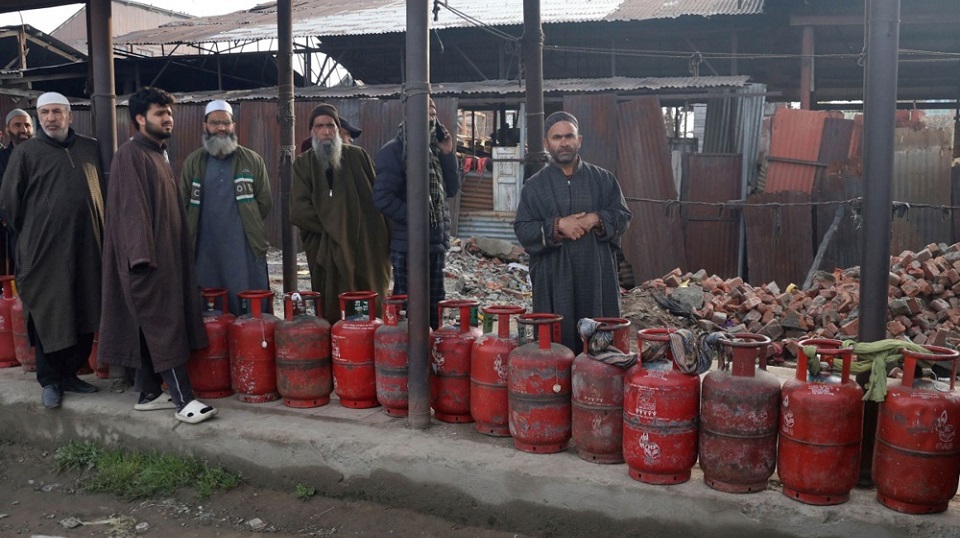
According to the Financial Times, in a number of Indian cities crematoria have stopped using gas, restaurants are giving up deep-frying, and hotels are cutting back operations — due to a shortage of liquefied petroleum gas (LPG) and disrupted supplies of liquefied natural gas (LNG). This is not a local "inconvenience": the hit to energy supplies affects fertilizer production, power generation and food-business logistics.
Official reactions and public mood
"There is no reason to panic"
— Narendra Modi, Prime Minister of India (quoted Financial Times)
Despite the prime minister's reassuring statements, queues are forming in cities for LPG cylinders, and incidents of price increases and thefts are being recorded. Restaurant chains are asking to reduce opening hours and remove long-cooking dishes from menus.
What local services and businesses say
"The gas shortage has really hit us hard"
— Manisha Shekatkar, chief engineer of the Pune municipal corporation (works with crematoria)
The Indian Hotels and Restaurants Association warns that up to half of the hotels in Mumbai could close if supplies are not restored; by its estimate, about 20% of establishments have already stopped operating. At the national level the association is advising its 500,000 members to conserve fuel and change menus.
Cause — geopolitics of energy supply
The Financial Times links the crisis to the escalation in the Middle East, which has disrupted LNG supplies from the Persian Gulf region. South Asia is heavily dependent on fuel imports from Gulf countries, so disruptions there quickly translate into shortages of household LPG and liquefied gas for industry.
Why this matters: LNG is used not only for cooking — it is critical for fertilizer production, power plants and oil refining. Disruptions to supplies raise prices and create risks for food security and industrial production.
Consequences for the global market and for Ukraine
Energy shocks in a populous country like India resonate in the global economy: increased demand for alternative sources, pressure on LNG and fertilizer prices. For Ukraine this is a signal on two levels:
1) Supply chain risk: spikes in fertilizer and energy prices affect the cost of agricultural production and inflation.
2) Energy resilience policy: it is important to strengthen diversification of sources, strategic reserves and domestic production of critical resources.
Conclusion
In the short term India is experiencing shortages of household and industrial gas — a real blow to public life and business. In the long term it is a reminder: energy instability in a distant region quickly turns into an economic and social challenge around the world. For Ukraine, strengthening energy autonomy and preparedness for global market fluctuations is not a declaration but a practical task for policymakers and businesses.
Source: Financial Times; comments from local associations and municipal services cited in the publication.



