Google retreats before EU: search engine changes algorithm under pressure from antitrust investigation
The European Commission has cornered Google: the company is willing to ease the demotion of news websites in search results — but only to avoid a billion-dollar fine, rather than admitting wrongdoing.

By Tetiana Suchkova-Ladik
May 7, 2026 · 2 min read
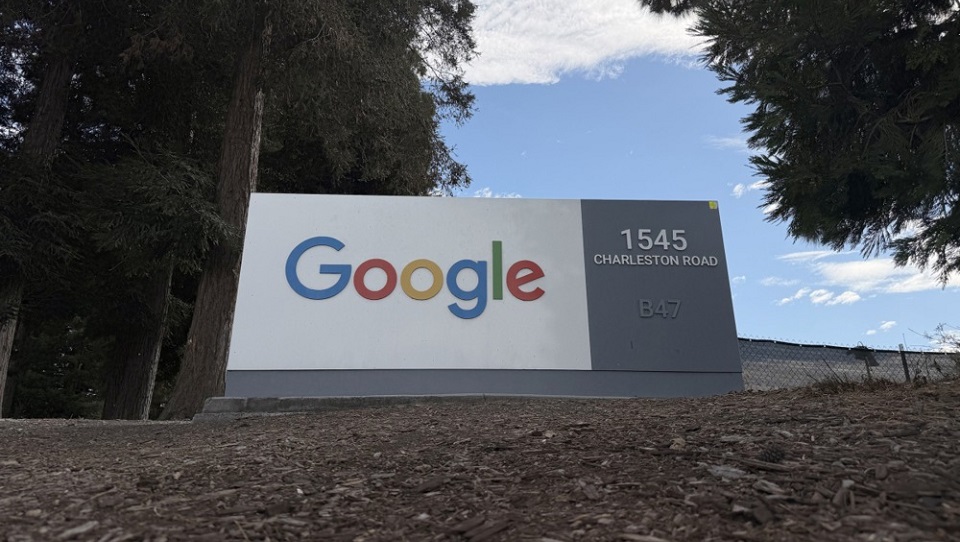
An editor of a small European publication opens Google Search Console and sees traffic plummet by 40% following yet another algorithm update. The reason: advertising from third-party networks on the site. Multiply this situation by thousands of publications across Europe — and you get the scale of the problem that prompted the European Commission to act.
The European Commission has launched an official investigation against Google under the Digital Markets Act (DMA), focusing on the practice of systematically lowering search rankings for news outlets that monetize through third-party advertising networks — that is, not through Google Ads. According to preliminary conclusions by regulators, such an approach artificially eliminates Google's competitors from the advertising market while simultaneously suffocating independent media.
In response, Google announced its willingness to review the relevant ranking signals. The company did not publicly admit to wrongdoing, yet the timing coinciding with the investigation speaks louder than any statements. A potential DMA fine could reach 10% of annual global turnover — for Google, that's tens of billions of dollars.
The real conflict here is not between Google and the EU. It is between two models of internet economy: a vertically integrated ecosystem where search, browser, advertising exchange, and operating system belong to one player — and an open market where publications can choose advertising partners without risk of algorithmic punishment. The first model benefits Google, the second benefits everyone else.
An important nuance: Google has not yet presented technical details of the changes. How exactly the algorithm will be reviewed, which sites and by what criteria will have their rankings restored — remains an open question. The European Commission understands this: according to Reuters, regulators are insisting on a verified monitoring mechanism, rather than mere promises.
For Ukrainian media actively reaching European audiences and monetizing through various advertising platforms, the outcome of this investigation will have direct practical significance. If the EU achieves real, rather than cosmetic, algorithm review — it will change the rules of the game for all publications operating within the European market.
The question that will determine the real weight of Google's concession: will the company agree to independent audit of its advertising algorithms — and if so, who exactly will have access to them?



