Halliburton Ready to Return to Venezuela — What It Means for the Energy Market and Risks to Investors
One of the world's largest oilfield services players says it could resume operations "within weeks" after receiving a U.S. license. We examine why this matters and which questions remain open.

By Tetiana Suchkova-Ladik
January 22, 2026 · 2 min read
Briefly
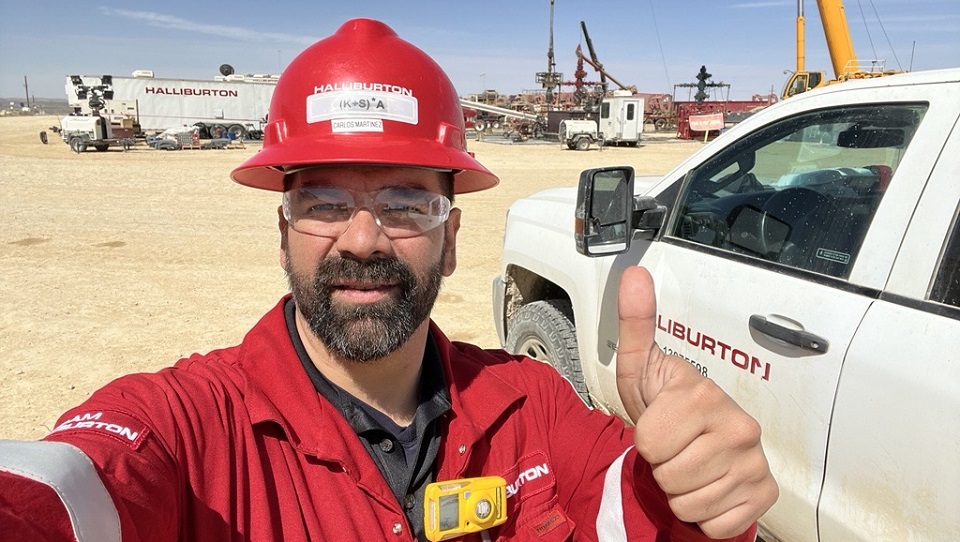
Halliburton said it is ready to rapidly resume operations in Venezuela as soon as it receives the appropriate licenses and payment guarantees from the United States. Information about the company's plans was reported by Reuters and Bloomberg after Halliburton's quarterly results.
What happened
Halliburton CEO Jeff Miller told investors the company could mobilize equipment and personnel "within weeks" if it receives permission from the U.S. government and assurance on payments. In 2020 Halliburton wrote off investments in Venezuela because of sanctions — but it kept the local legal entity, facilities and equipment. The company has also posted job listings for work in Venezuela, indicating preparation for a possible return.
"I am excited about the huge opportunities for Halliburton in Venezuela. We can mobilize in a matter of weeks... and I am very pleased about that"
— Jeff Miller, CEO of Halliburton
Why it matters
First, the return of major service companies shifts the balance in the region: investment in Latin American oil can accelerate production and affect the global oil supply. Second, Halliburton's readiness is a signal to competitors and to financial markets that business could be restored where previously only state-owned or low-capacity contractors operated.
What matters for the Ukrainian reader: any change in global energy flows affects prices and the geopolitical priorities of partners. When Western companies return to markets where their presence was previously limited, it means a reconfiguration of resources, logistics, and the political efforts of international allies.
Risks and open questions
The main obstacles are obtaining U.S. licenses and payment guarantees in a complex political environment. Other factors include operating costs, competition (notably SLB/Schlumberger), and legal and reputational risks associated with working in a country with an unstable political situation. Note also: Halliburton will not return automatically — interest must translate into signed contracts and actual delivery of equipment.
Conclusion
Halliburton's statements are more than PR: they mark the readiness of a major player to respond quickly to Washington's political decisions. The next step is a decision by the U.S. administration and commercial guarantees. Whether interest will turn into investment volumes and whether this will affect global energy flows is a question markets and governments are watching.
Sources: Reuters, Bloomberg, Halliburton's quarterly report.



