Hlybochytska comes alive: Kyiv reintroduces tram routes 14 and 18 starting December 16
On December 16, tram and bus service on Hlybochytska Street is being restored after repairs to 3.5 km of tracks — a small victory for a city that keeps working and weathers the blows. The temporary route 14‑T will be closed; life is returning to normal.

By Tetiana Suchkova-Ladik
December 15, 2025 · 2 min read
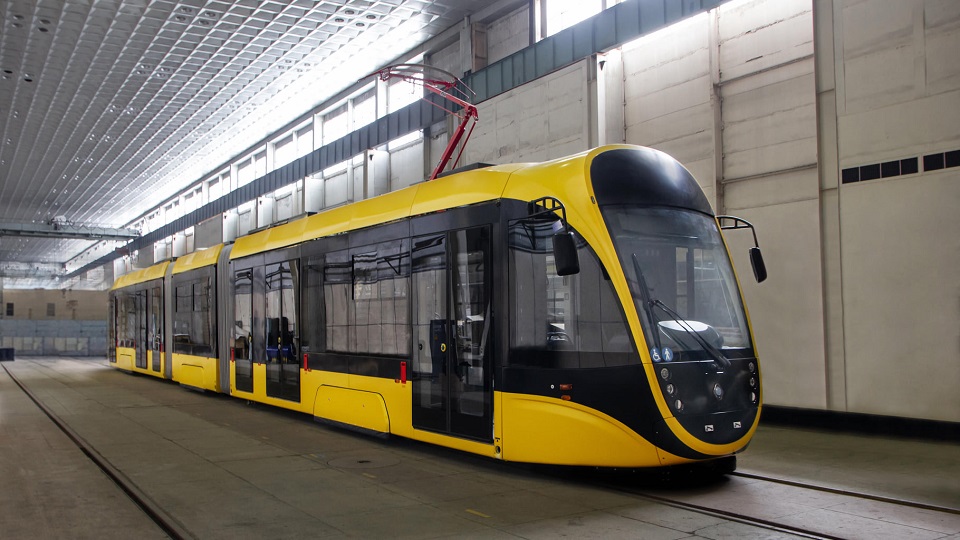
This is not just a technical notice — it is a signal that Kyiv is restoring its everyday life. From December 16, trams No. 14 (Vydradnyi Avenue – Kontraktova Square) and No. 18 (Kontraktova Square – Starovokzalna Street) and bus No. 112 (Mykytenka Street – Lukianivska metro station) will run again on Hlybochytska Street. The press service of the Kyiv City State Administration, citing the Department of Transport Infrastructure, reported this.
Why this matters
3.5 kilometers of renewed tracks is not just a number. It is a safer, faster and more reliable route for thousands of Kyiv residents every day. The repairs lasted from February 1; the last full replacement of the track superstructure was carried out more than half a century ago. Insiders in the transport sector say such investments restore the city’s mobility and reduce the load on the road network.
Western analysts have long emphasized — restoring urban infrastructure makes communities more resilient to any challenges. This is not an abstract recommendation: it is a practical step toward faster trips and shorter queues at stops.
What will change for Kyiv residents
After the regular routes are launched, the temporary bus No. 14‑T (Vydradnyi Avenue – Kontraktova Square) will be discontinued. For people this means fewer transfers, a more reliable timetable and a more comfortable commute to work or home. Online discussions are already focused on how the return of the trams will ease morning and evening commuter flows.
The return of the trams is not only a technical restoration of the tracks. It is the return of the familiar rhythm of life for thousands of Kyiv residents and another step toward urban resilience.
– Department of Transport Infrastructure of the Kyiv City State Administration
Hidden threat and response
When infrastructure ages, the city becomes more vulnerable to disruptions. The Hlybochytska upgrade is a direct response to this problem: replacing worn sections reduces the risk of accidents and downtime. Experts add that consistent repairs keep the city’s economic pulse running.
More to come
This step is not the final period but a marker of direction. For us, it is a historic moment of local recovery that shows: the city is functioning, infrastructure is being renewed, life is returning. For the enemy it is a simple fact: we are rebuilding and strengthening our environment. Follow updates — many more projects that will change the rules of the game are ahead.



