'Hutsulshchyna' heads further: train No. 95/96 extended to Rakhiv — Carpathians now more accessible from Kyiv
Ukrzaliznytsia has, as of December 28, extended the Kyiv–Yasinya train route to Rakhiv, adding a stop at Kvasy. What does this mean for travelers, the regional economy, and the new 2025/2026 timetable?

By Tetiana Suchkova-Ladik
December 29, 2025 · 1 min read
What happened
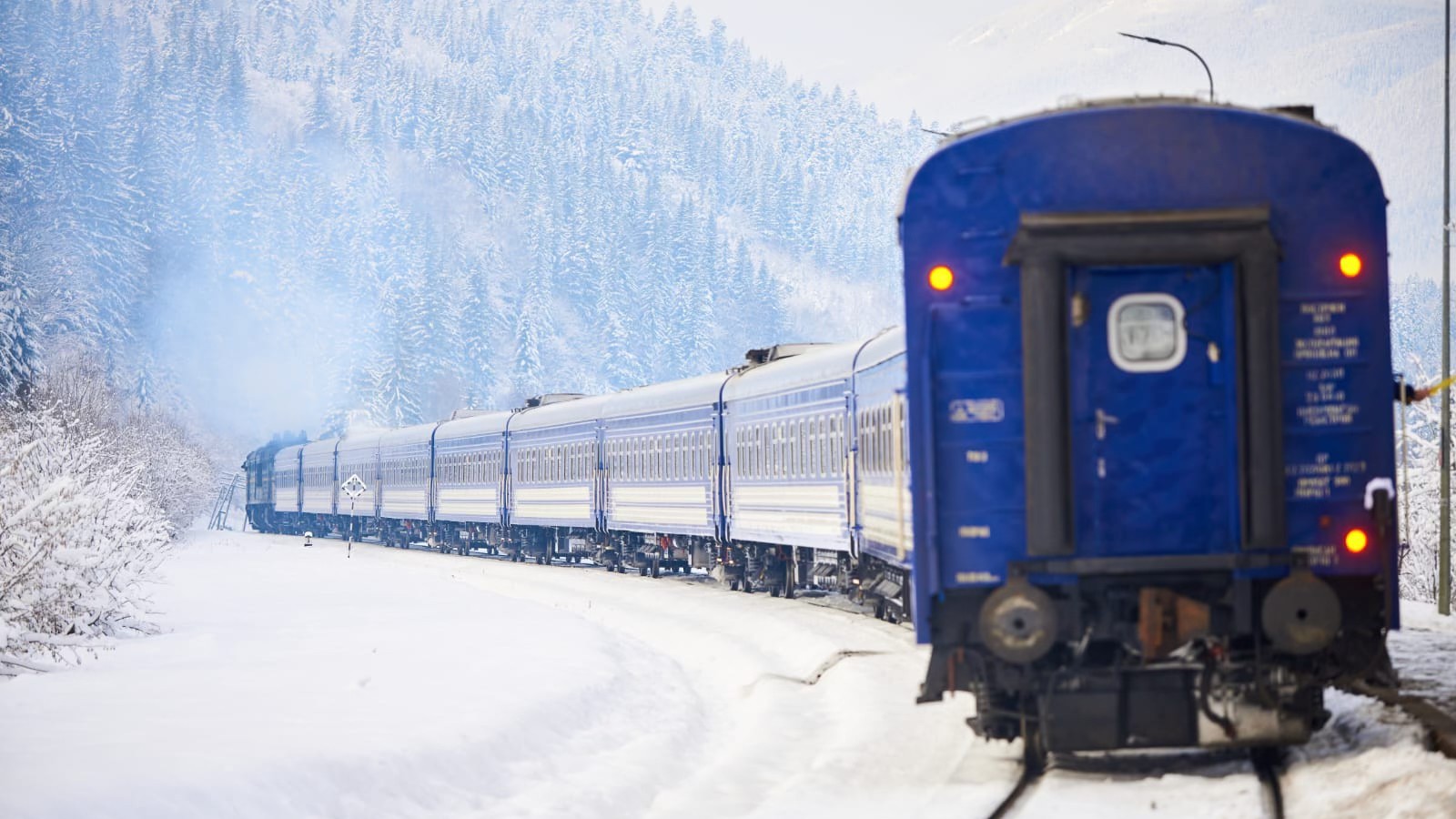
Ukrzaliznytsia announced that from December 28 the flagship train «Hutsulshchyna» No.95/96, which previously ran Kyiv – Yasinya, will extend its route to Rakhiv with an additional stop in Kvasy. The information was released by the company's press service.
"We listened to passengers' requests and from December 28 the flagship train 'Hutsulshchyna' No.95/96 Kyiv – Yasinya has extended its route to Rakhiv"
— Press service of JSC «Ukrzaliznytsia»
Why it matters
The decision is not just a convenience for tourists. It is part of a broader logistical adjustment in the context of the new 2025/2026 timetable: UZ has already announced hourly Kyiv — Lviv services and faster trains to Warsaw. The route extension responds to passenger demand and increases transport accessibility of the high-mountain areas of Zakarpattia, which will have a direct impact on tourism, local business and medical tourism in the region.
Practical context
In addition to No.95/96, trains No.143/144 (Sumy — Rakhiv), No.55/56 (Kyiv — Rakhiv) and the suburban diesel No.6441/6442 (Kolomyia — Dilove) already run to Rakhiv. For travelers this means more arrival options; for the service market — the opportunity to plan strengthening of infrastructure and services in high-mountain communities.
Brief forecast
Short-term — an expected increase in tourist flows and pressure on local infrastructure. Medium-term — a signal to investors and local authorities: to turn the additional services into sustainable revenue for the region, investments in service, logistics and marketing are needed. Questions for further monitoring: will this change be accompanied by additional investments in transport infrastructure, and how will the distribution of demand change during peak season?



