IDS Ukraine offset the loss of Borjomi: new product lines generated 13% of revenue and are strengthening the domestic industry
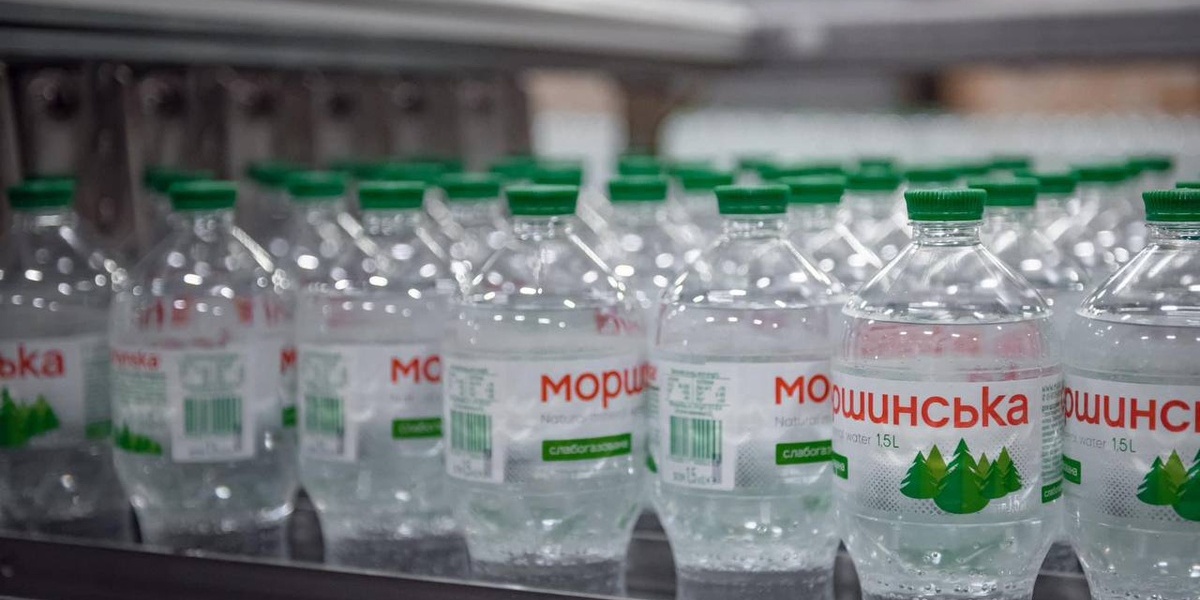
IDS Ukraine, the producer of "Morshynska", didn't just replace the Borjomi brand in its portfolio — its new products are already carving out a part of the market and demonstrate how Ukrainian business is adapting during the war. Why this matters for consumers and the economy — briefly and without hype.

By Tetiana Suchkova-Ladik
March 5, 2026 · 2 min read
What happened
According to an exclusive LIGA.net interview with IDS Ukraine CEO Marko Tkachuk, the company's new product lines fully compensated for the loss of Borjomi in its brand portfolio. In 2025, the share of these new products in sales amounted to 11% by volume and 13% by value.
Numbers that matter
For comparison: Borjomi accounted for about 12.6% of the sales structure in 2021. Meanwhile, in 2024 IDS Ukraine held up to 10% of the non-alcoholic beverages and energy drinks market. So now the company has not only recovered its position after losing the international brand, but is also laying the foundation for growth in a new segment.
“The market for flavored and aromatic waters grew by 5.5% in the first 11 months of 2025, while the share of the ‘Morshynska+’ line on that market reached 40%.”
— Marko Tkachuk, CEO IDS Ukraine
Why this happened
The explanation is simple and rational: global consumer trends — demand for “functional” and flavored waters — are reaching Ukraine as well. Europe, North America and China have already gone through this cycle, so the new generation of consumers wants not just a liquid, but taste and additional benefits. IDS followed this trend, launching the energy drink “Volya”, “Limonad” and “Morshynska+” during the full-scale war.
“In Ukraine a separate retail shelf for this category has not yet formed, as was once the case with energy drinks. But we see great potential in that functional waters are currently represented within the general water assortment.”
— Marko Tkachuk, CEO IDS Ukraine
What it means for consumers and the economy
First, it signals the resilience of Ukrainian manufacturing: the loss of an imported brand is offset by local products, which preserves jobs and incomes across the supply chain. Second, for consumers it means more choice within the non-alcoholic beverages category; for retailers — an opportunity to create new shelves dedicated to functional waters. Third, for investors and partners — a marker of adaptability, as the company quickly reorients its portfolio and protects revenue in challenging conditions.
Conclusion
Fact: IDS’s new brands delivered 13% of revenue in 2025 and filled the niche after Borjomi. Analytically: the next test is to convert this temporary success into a stable market share by establishing clear retail shelving and large-scale distribution. Whether the industry will seize this window of opportunity is a question for businesses and retailers, but this is no longer only about brands: it’s about economic resilience during the war.



