Gas imports rose ninefold — how new routes bolstered Ukraine's energy resilience
A record 6.47 billion cubic meters in 2025 — not just a number. We examine where the gas came from, what caused the spikes, and why this matters for the winter and the economy.

By Tetiana Suchkova-Ladik
January 2, 2026 · 2 min read
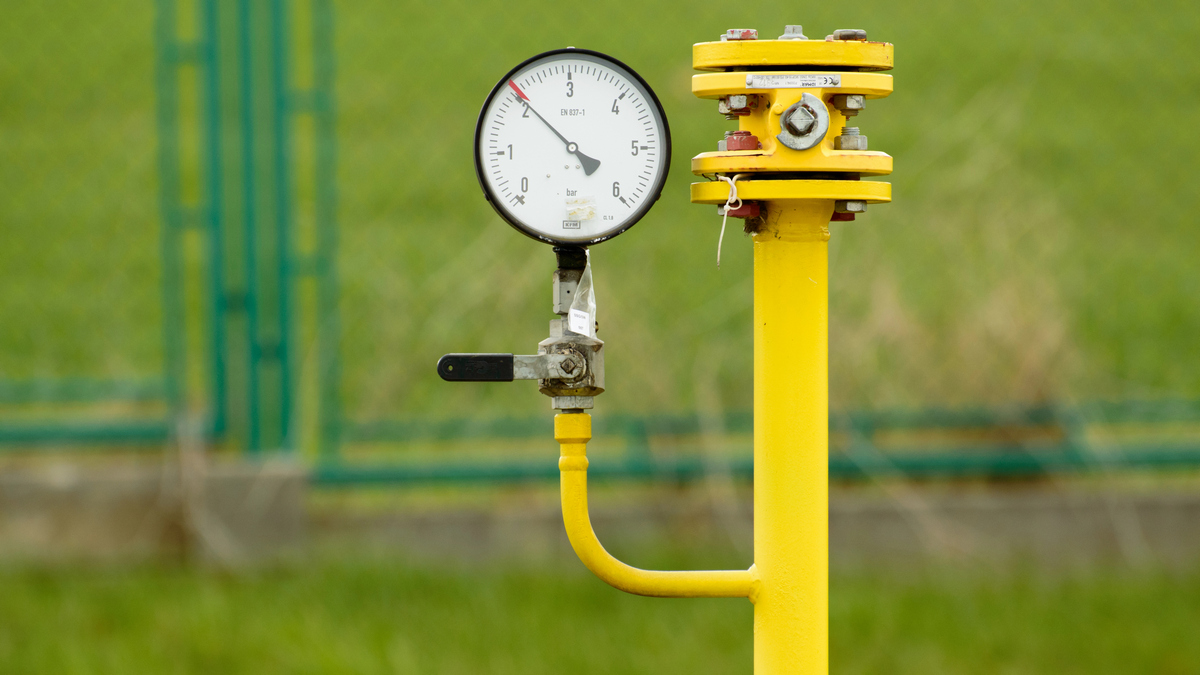
Record import volumes: 6.47 billion cu. m in 2025
By the end of 2025, natural gas imports to Ukraine amounted to 6.47 billion cubic meters — the highest figure since 2020, according to calculations by consulting company ExPro. Compared with 2024, imports increased almost ninefold — from 724 million to 6.47 billion cubic meters. This is not a random spike, but the result of simultaneous tactical decisions and large-scale regional cooperation.
Months and triggers
The monthly distribution of imports was uneven. In January deliveries were minimal — only 43 million cubic meters, as domestic production had been relied upon. In February there was a sharp jump to 512 million cubic meters — a direct effect of strikes at the start of the month that damaged infrastructure and forced a search for external supplies. In March–April volumes stabilized at 220–280 million cubic meters per month, and in July they peaked at 833 million cubic meters as part of active preparations for the heating season.
Where the gas came from and which routes grew
The main supplier in 2025 was Hungary with 2.94 billion cubic meters (45.5% of imports). Second place went to Poland — 2.1 billion cubic meters (32.5%), third to Slovakia with 1.33 billion cubic meters (20.5%). Despite large technical capacities on the Slovak route, high tariffs made it less attractive compared with the Hungarian and Polish routes.
In addition to traditional corridors, Ukraine stepped up supplies via the Trans-Balkan route — 97 million cubic meters (1.5%). A new initiative — the joint Route 1 (operators of Ukraine, Moldova, Romania, Bulgaria and Greece) — pumped more than 70 million cubic meters from Greece over the year at reduced tariffs. On December 22, Route 2 and Route 3 were also launched as part of the "Vertical Corridor" initiative.
"A ninefold increase in imports is not just numbers. It's a signal: Ukraine quickly diversified supplies and strengthened stocks ahead of the heating season"
— ExPro, consulting company
Consequences and risks
These volumes increase the country's energy resilience: diversification of routes and cooperation with neighboring operators give more maneuvering room during crises. At the same time risks remain: dependence on tariff policy on certain routes, seasonality of demand, and the need to convert temporary solutions into long-term contracts and investments in infrastructure.
Analysts agree that 2025 was a test of the capability of regional cooperation. The next step is to lock in what has been achieved with contracts and budgetary decisions so that one successful season does not become an illusion of a secure future.
Brief conclusion
A record 6.47 billion cubic meters — an achievement of operational diplomacy and the technical work of operators. But will this be enough for the sustainable protection of Ukraine's energy sector? The answer depends on converting temporary routes into stable contracts and on investments in networks and reserves.



