Inditex Returns to Gulliver — And This Signal Is Not About Fashion, But About Sales
Six stores of a Spanish retail group have resumed operations in a shopping mall after six months of closure due to a corporate dispute between state banks and former owners. But behind the return of these brands lies something more significant than shopping.

By Tetiana Suchkova-Ladik
April 24, 2026 · 2 min read
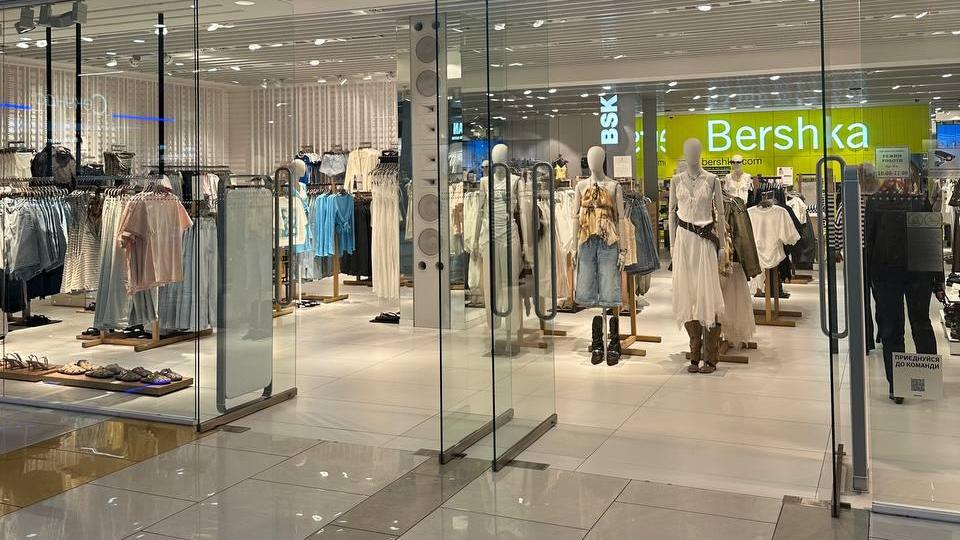
Six Inditex stores — Massimo Dutti, Bershka, Pull&Bear, Stradivarius, Oysho and Zara Home — opened their doors at Kyiv's Gulliver shopping mall at the end of April 2026. Massimo Dutti was the first to open on April 23. For the shopping mall in the very center of Kyiv, this marked the end of the longest pause in its history.
How Gulliver spent these six months
The timeline began on October 30, 2025: Oschadbank and Ukreximbank, which acquired 80% and 20% of the complex respectively in the summer of that year through debt obligations of LLC "Tri O", closed the shopping mall for security reasons. The former owners did not recognize the new ones — a corporate dispute ensued with court battles, facility blockades and mutual accusations.
From February 1, 2026, Gulliver formally resumed operations, but most "traffic generators" remained behind closed doors. Inditex and Polish group LPP (except Sinsay) did not return — signs announcing "technical reasons" hung on storefronts.
"Actions are currently being taken between the trading groups Inditex and LPP and the owners of Gulliver shopping mall to restore the operation of their stores as quickly as possible"
— Oschadbank press service, in response to LIGA.net inquiry
What exactly held back the opening, the banks did not publicly explain. But a few weeks before the announcement date, the signs disappeared from storefronts, and goods began to be delivered inside.
Why this matters more than inventory
Yevheniia Loktionova, director of consulting company UTG, directly links Inditex's return with the future sale of the property: the return of brands of such caliber means the shopping mall has passed an audit by an international company. No major foreign operator enters a facility without checking its legal and technical condition.
In other words, Inditex acted not simply as a tenant — but as an inadvertent verifier. If the Spanish group decided to return, it means the legal situation around Gulliver has stabilized enough to sign long-term commitments.
- Gulliver is up for sale — the announcement appeared shortly before Inditex's return.
- LPP has not yet returned in full capacity, which leaves questions about the conditions of new rental agreements.
- The parking lot remains in legal limbo: in December 2025, the court banned banks from obstructing the tenant of the underground parking — LLC "Avtopark Tsentr".
What lies behind this
Gulliver is not just a shopping mall, but a hybrid complex with retail, office and parking components, each with separate tenants and separate legal disputes. Inditex's return closes one front. But as long as Gulliver does not have a new private owner — and the sale of state assets during wartime rarely happens quickly — the next conflict could erupt where no one expects it.
If LPP also signs new terms by summer — it will mean that Oschadbank and Ukreximbank will put the object up for sale with fully restored anchor tenancy. If not — the buyer will get Gulliver with a traffic gap and another round of negotiations to boot.



