Inditex scales back presence: Zara closes stores in Dnipro — what this means for Ukrainian retail
Spanish retailer Inditex terminated its contracts in Dnipro due to shelling and a loss of customers. It is a blow to international retail in Ukraine, but at the same time a potential opportunity for Ukrainian brands to scale. We examine the consequences and risks.

By Tetiana Suchkova-Ladik
February 9, 2026 · 2 min read
What happened
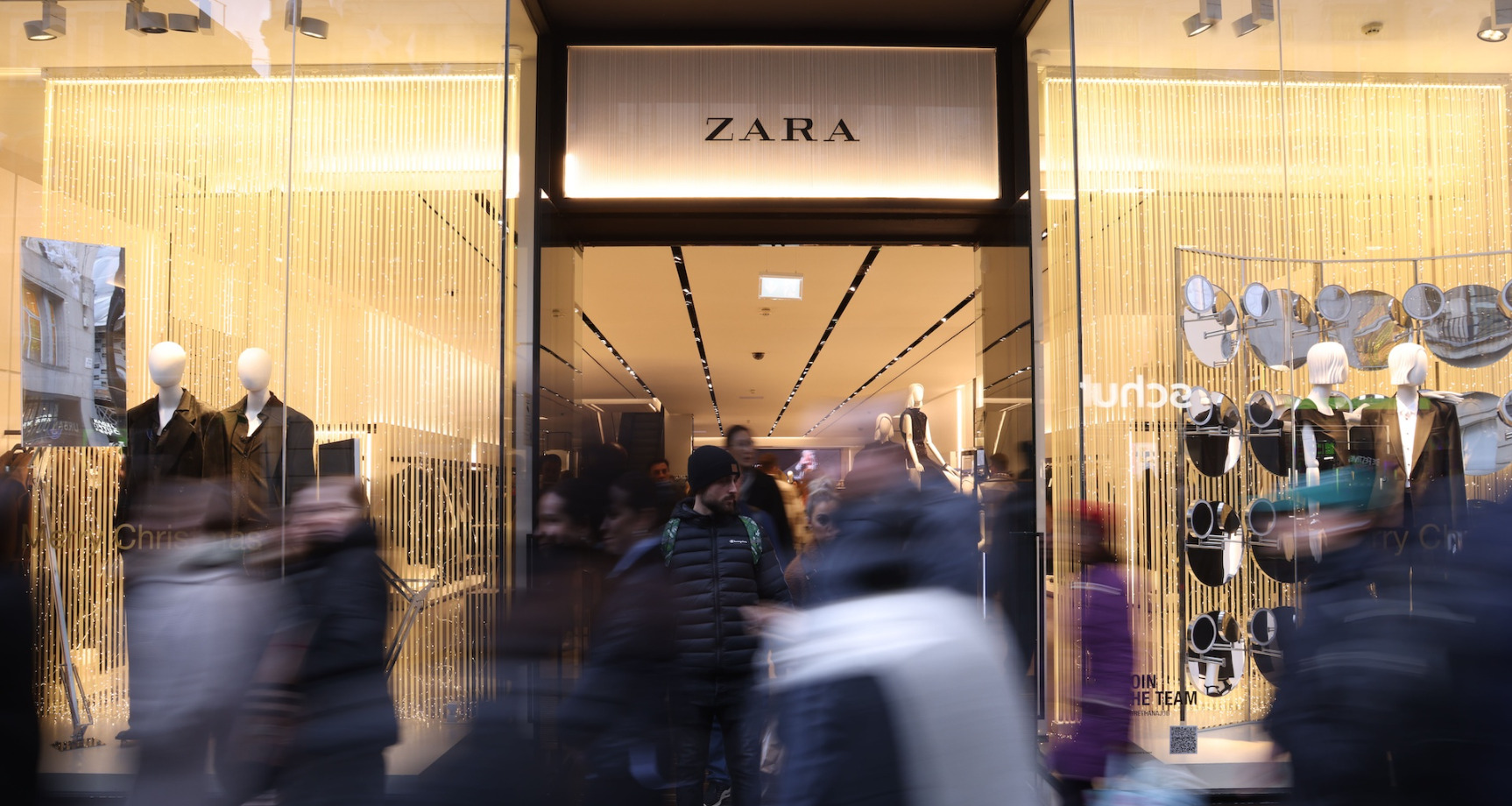
According to NV, Inditex SA — owner of the brands Zara, Pull&Bear, Massimo Dutti and Bershka — has terminated lease agreements with the Most-City and Karavan shopping centers in Dnipro. The decision is linked to ongoing shelling, the unstable operation of the malls and an outflow of shoppers, which made running the stores unprofitable.
Brief context
Zara halted operations in Ukraine at the start of the full-scale invasion and returned in spring 2024. Currently the retail spaces in Kharkiv and Odesa malls remain leased, but their actual operation is "in question," writes NV.
What this means (analysis)
The first conclusion — this is a signal about the economic sensitivity of large international retail to the security and consumer environment. When customer traffic falls, rent and logistics costs quickly make operations unprofitable.
The second — these closures free up substantial commercial space that was previously geared toward international brands. As the founder of the Ukrainian brand One By One notes, management of several malls had approached local producers even before Inditex terminated its leases.
"The management of several malls approached us with offers to cooperate even before they terminated their contracts with Inditex"
— Lidiia Smetana, founder of the brand One By One
Opportunities and risks for Ukraine
Opportunity: large retail spaces give Ukrainian brands a chance to scale and occupy the niche left by foreign operators. This is a positive signal for the industry — more visibility, jobs and supply chains.
Risks: security and the restoration of consumer confidence remain key. If customer flows do not recover or lease terms stay unprofitable, even vacated spaces may remain empty or be used for short-term solutions with low added value.
What's next
This decision by Inditex is not just about individual stores in Dnipro; it's an indicator for the market: foreign investors and retailers are reassessing risk-reward. For Ukrainian brands it is important to seize the opportunity systematically: invest in logistics, merchandising and marketing so that occupied spaces operate efficiently and for the long term.
Conclusion
The closure of Zara stores in Dnipro is a symptom of a broader process of the market adapting to wartime realities. It is a challenge for international retail and at the same time an opportunity for national brands. Now the task for businesses and authorities is to turn these vacant spaces into sustainable jobs and catalysts of economic recovery, not into temporary fill-ins.



